
OUR BLOG
The point of using Lorem Ipsum is that it has a more-or-less normal distribution of letters, as opposed to using 'Content here, content here', making it look like readable English
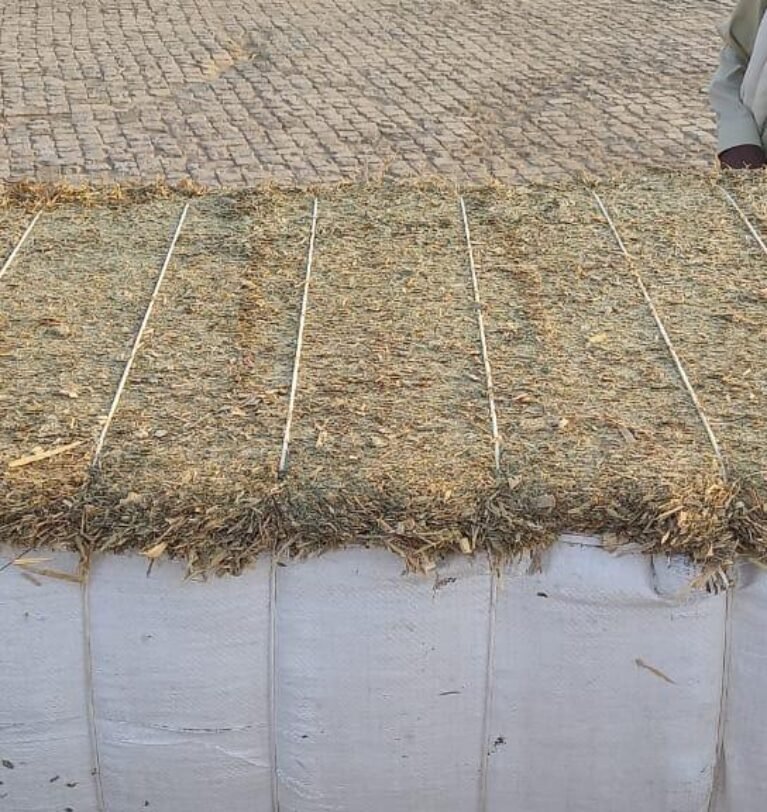
Maize Silage Yield Per Hectare: A Complete Guide for Farmers
Overview Maize silage is one of the most important feed crops in beef and dairy farming worldwide. It is essential for reliable production, excellent palatability, and high energy content. One…
Read more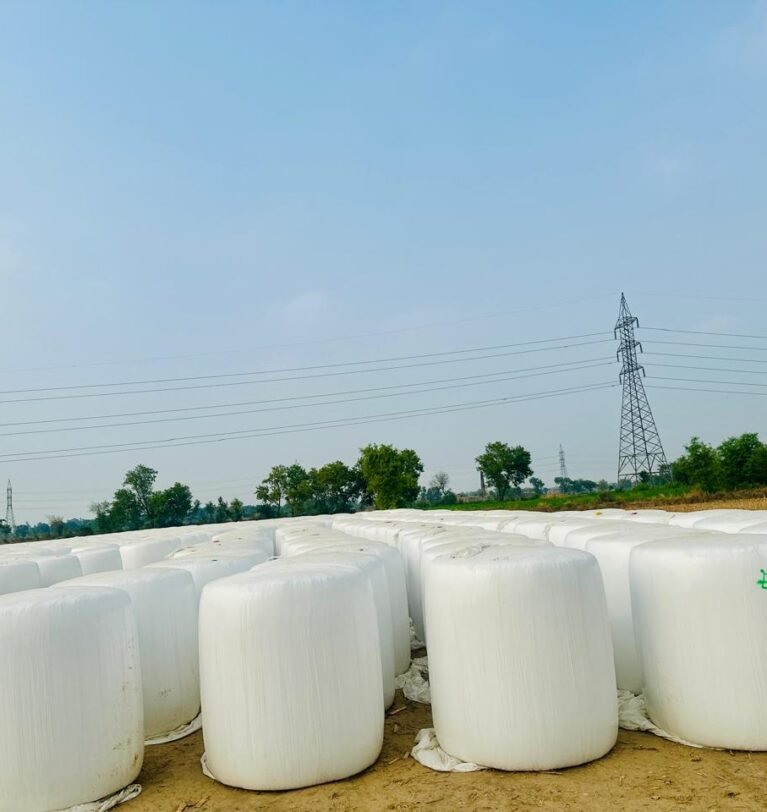
Maize Silage Protein Content: Importance for Dairy
Overview Maize silage is one of the important green feeds for beef cattle and dairy animals all over the world. It is important due to its palatability, high energy content,…
Read more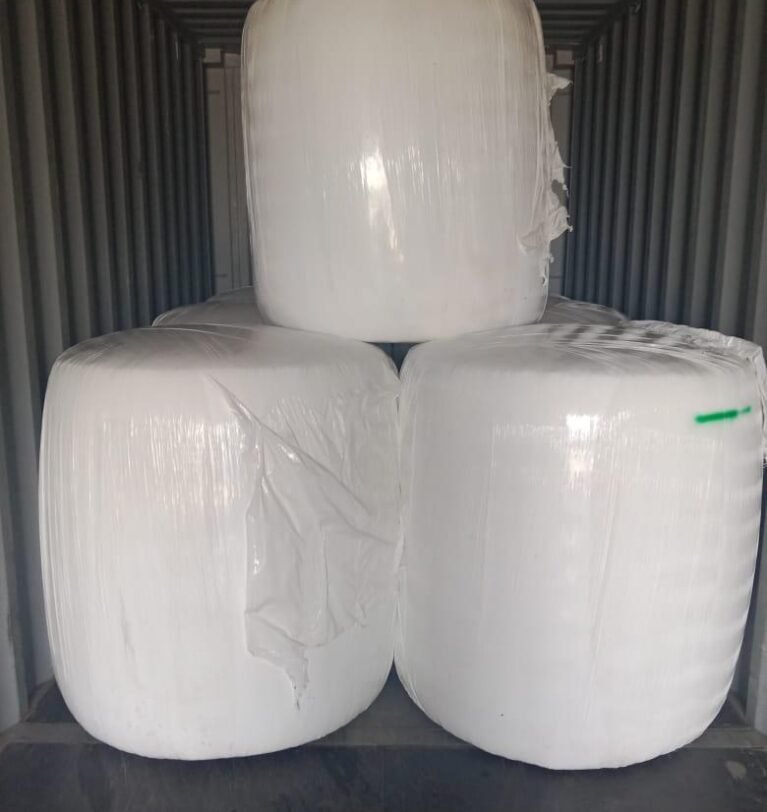
Maize Crop Season in Pakistan: A Complete Guide
Overview Maize is one of the most important cereal crops in Pakistan after rice and wheat. The maize crop plays a crucial role in our agricultural sector, supporting animal feed,…
Read more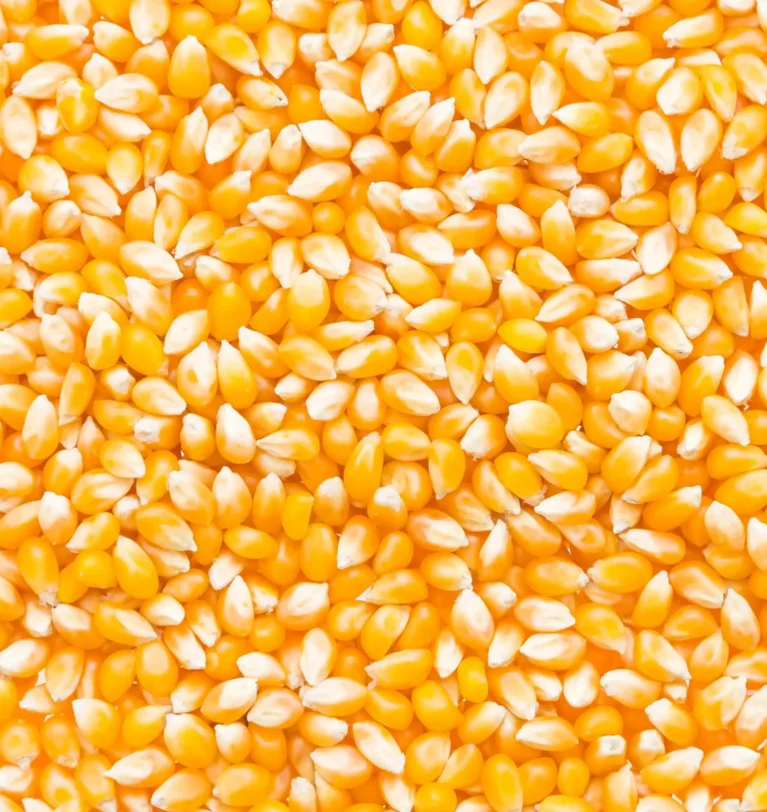
Cereals and Grains / Maize Grain
Maize Grain Yield Per Hectares – Growth, Trends, and Challenges
Overview No doubt that Maize is one of the most important cereal crops, ranking in 3rd position after rice and wheat in its agricultural profile. It is versatile in use…
Read moreCereals and Grains / Maize Grain
Maize Grain Varieties in Pakistan – Premium Quality
Overview Pakistan is one of the leading maize-producing countries in Asia, supplying high-quality grain varieties for food processing, poultry feed, animal feed, and industrial applications. Our maize grain us sourced…
Read more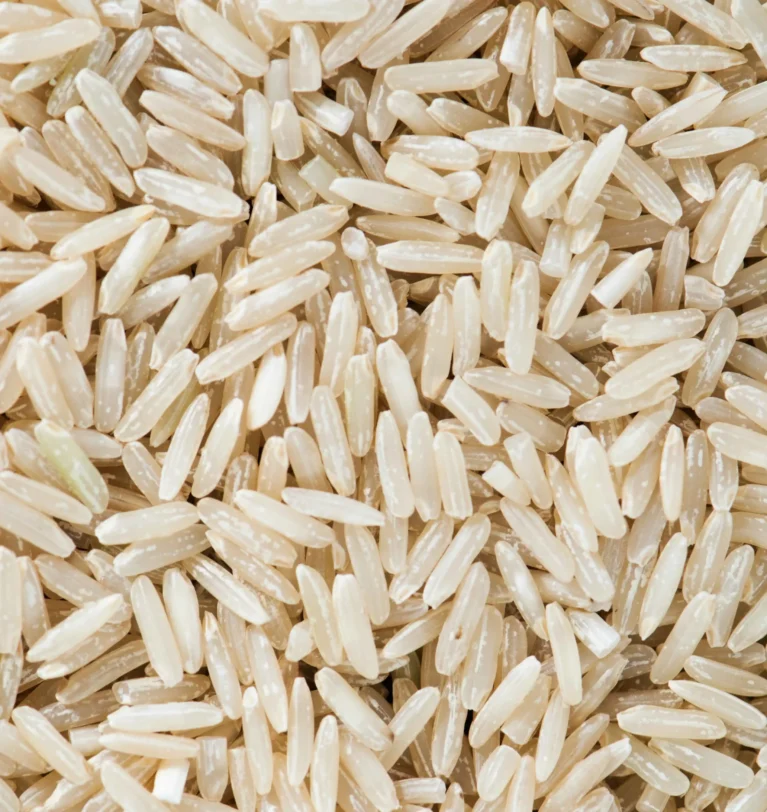
Cereals and Grains / Rice Grain
Rice Grain Price- Updated Market Rates, Trends and Factors
Overview Rice grain is one of the most widely exported agricultural commodities in the world. Rice grain is one of the most important food crops in the world. From households…
Read moreGET IN TOUCH
Latin words, combined with a handful of model sentence structures, to generate Lorem Ipsum which looks reasonable.
Overview
Maize silage is one of the most important feed crops in beef and dairy farming worldwide. It is essential for reliable production, excellent palatability, and high energy content. One of the main reasons farmers select maize silage is its high yield per hectare, which is a sustainable feed and cost-effective. Understanding maize silage yield per hectare helps them plan a cropping system, manage inputs efficiently, and maximize dairy animal productivity.
What Is Maize Silage?
Maize silage is produced by harvesting the whole plant, including leaves, stalks, and ears-at the right stage of maturity and storing it with anaerobic fermentation. It will lock nutrients and provide a stable feed source all year. Maize silage focuses on the whole plant instead of one grain, making it ideal for feed production.
Average Maize Silage Yield Per Hectare
The average fresh maize silage yield per hectare varies in 35-60 tons, depending on management practices and growing conditions. With favourable conditions like proper fertilization, selection, and irrigation provides 70 tons per hectare.
On a dry matter basis, maize silage falls in 12-20 tons per hectare. Dry matter provides information with accuracy as it shows nutrients available for dairy animals.
| Yield Type | Average Range |
| Fresh yield | 35–60 tons/ha |
| Dry matter yield | 12–20 tons/ha |
| High-management yield | Up to 70 tons/ha |
Factors Affecting Maize Silage Yield Per Hectare
Maize silage yield per hectare depends on the variety of seeds (high biomass hybrids), planting practices, soil fertility, and pest/disease control at the right moisture, and it is important for both nutrient quality and moisture. There are some environmental and agronomic factors that influence maize silage yield. Managing these factors also improves productivity.
1- Maize Hybrid Selection
It is important to select the right maize hybrid to achieve high silage yields. Silage-specific hybrids produce High biomass production, Strong stalks and leaves, good grain-to-stover ratio, and improved digestibility.
2- Soil Fertility and Nutrient Management
Soil fertility is the ability to support plant growth by providing nutrients as strategic applications like N, P, K, and micronutrients from sources like manures, compost, and fertilizers with proper integrated nutrient management and the 4R Approach (right, source, rate, time placement) to manage profitability, environmental protection, and optimize crop yield. Effective management depends on the testing of soil. Balancing nutrient inputs and nutrient cycles.
Maize is a heavy crop with proper soil fertility,like potassium, phosphorus, and Nitrogen, that plays an important role.
- Nitrogen boosts vegetative growth and leaf development
- Phosphorus supports root growth and early plant vigor
- Potassium improves water use efficiency and disease resistance
3- Plant Population and Spacing
The required plant population also affects silage. Too few plants also reduce total biomass as overcrowding leads to competition for water, nutrients, and light. The plant density varies from 65k -85k plants per hectare, depending on environmental and hybrid conditions. We need proper row spacing.
4- Irrigation and Water Management
- Vegetative growth
- Tasseling and silking stages
- Grain filling
5- Climatic Conditions
Maize survives in hot temperatures with sufficient sunlight. Ideal growing conditions include:
- Temperature range: 18–30°C
- Well-distributed rainfall or irrigation
- Long growing season
6- Weed, Pest, and Disease Control
Weeds compete with plants for sunlight and water, which can reduce yield. Effective weed management in early growth stages is important. At the same time, pests & diseases like armyworms, leaf blights, and stem borers reduce plant health and biomass.
Harvest Timing and Its Impact on Yield
To determine quality and yield, harvesting time plays an important role. Maize silage must be harvested at 35% dry matter, especially when kernels are at the half-milk line stage.
- Early harvest: Lower yield but higher moisture
- Late harvest: Higher dry matter but reduced digestibility
Fresh Yield vs Dry Matter Yield
Farmers often focus on fresh silage yield, but dry matter yield is more important for ration formulation. High fresh yield with excessive moisture may look impressive, but it provides fewer nutrients per ton.
A well-managed crop balances both fresh weight and dry matter concentration, delivering higher feeding value and better storage efficiency.
Economic Importance of High Silage Yield
High silage yield has economic value in dairy animal life as it will reduce the cost of animal productivity, profitability, and farm sustainability.
High yields also:
- Improve feed availability year-round
- Reduce dependence on purchased feeds
- Increase milk and meat production profitability
Overview
Maize silage is one of the important green feeds for beef cattle and dairy animals all over the world. It is important due to its palatability, high energy content, and consistent yield. Although maize silage is not considered a high-protein feed item compared to legumes, its protein content plays an important role in supporting milk production, overall health performance, and animal growth. Maize silage protein content helps us improve dairy animal productivity and design a balanced ratio.
What Is Maize Silage?
Maize silage is produced by harvesting the whole maize plant, including leaves, stalks, and ears- but at the right stage of maturity. It survives through anaerobic conditions. This method provides a stable feed source and helps retain nutrients throughout the year. Maize silage is known to supply energy from digestible Fiber and starch.
Maize Silage -Average Protein Content
The crude protein content of maize silage varies from 7% to 9% on a dry matter. In some cases, it varies from 6% to 10% but depends on factors like nitrogen fertilization, soil fertility, ensiling practices, and, most importantly, harvest timings.
If we compare it to legume feed like clover or alfalfa that contains 16-20% crude protein, maize silage is low in protein. Its protein is highly digestible and used as a supplement with other feed items.
Factors Affecting Protein Content in Maize Silage
Maize silage has low crude protein, varying from 6%-10% dry matter. It is influenced by a combination of management, environmental, and agronomic factors.
- Nitrogen (N) Fertilization: Applying organic fertilizers or nitrogen that increases the CP level in the whole plant. Higher nitrogen directly increases protein synthesis.
- Harvest Maturity: Crude protein focuses on the early growth stage, which declines plant matures. It happens because grain contains a larger portion of biomass over time.
- Plant Population: High density may lead to a reduction in protein content with full digestibility.
- Genetic Variation (Hybrids): Different maize hybrids have potential for protein content that is based on genetics. Some quality protein varieties are bred for better amino acid profiles.
- Drought and Heat Stress: Drought-stressed maize often shows higher protein concentrations. It occurs as stress may severely limit grain development, leaving leaves and stalks, as it contains more protein.
- Regional Climate: There are some differences, like growth period and growing season length may cause protein variations in the same hybrid.
- Ensiling Process: Fermentation converts true protein into non-protein nitrogen and ammonia.
- Additives: Some common methods are used to boost the crude protein content, which increases by 11-12%.
- Moisture Content: Maize silage that is stored for a long time has higher protein, which also reduces the amount of bypass protein.
- Maize variety: Different maize hybrid has different protein levels.
Protein Quality and Rumen Degradability
Protein is mostly rumen-degradable protein (RDP). It means it breaks down in supplies and rumen nitrogen to microbes, supporting microbial synthesis. The protein in maize silage is mostly rumen-degradable protein (RDP). It is important for dairy cows. It is also used with protein supplements like canola meal, soybean meal, cottonseed cake, or legume feed to fulfill protein needs.
Role of Maize Silage Protein in Animal Performance
Although maize is not a basic protein source, its contribution must not be underestimated. It is merged with:
- Improved feed intake due to good palatability
- Efficient rumen fermentation
- Stable milk production in dairy cows
- Better weight gain in beef cattle
- Reduced feed costs due to high yield per hectare
Improving Protein Utilization from Maize Silage
Farmers know how to enhance protein efficiency by:
- Choosing silage-specific maize hybrids
- Applying balanced nitrogen fertilizers
- Harvesting at the optimal moisture level (32–35% dry matter)
- Using silage additives to reduce protein degradation
- Balancing rations with appropriate protein supplements
Maize silage is based on 2 approaches that improve protein content in the crop itself and optimize its availability in the diet with complete supplementation.
Pre-Harvest & Ensiling Strategies
- Optimal Nutrition
- Hybrid Selection
- Harvest Timing and Processing
- Inoculants
- Protein Supplementation:
- Natural Protein Sources: Alfalfa hay or silage, soybean meal, linseed cake, and dried distillers’ grains with soluble (DDGS) are effective natural protein supplements.
- Urea (NPN): Feed-grade urea can be added as a non-protein nitrogen (NPN) source to supply nitrogen for rumen bacteria to synthesize microbial protein. This can increase crude protein equivalent but requires careful mixing and has a narrow safety margin.
- Forage Blending: Blend it with high protein feed items like legumes or ryegrass to balance the diet (e.g., soybean, lablab). It has 70% maize silage, and 30% ryegrass blend has shown optimal performance in some cases.
Diet Formulation: You can consult with an animal nutritionist for a better growth rate and milk production.
Overview
Maize is one of the most important cereal crops in Pakistan after rice and wheat. The maize crop plays a crucial role in our agricultural sector, supporting animal feed, industrial uses, and food security. Knowing about the maize crop season in Pakistan helps us in planning cultivation properly.
Why is Maize Silage Important in Pakistan?
Maize is a versatile crop that is used for dairy animal feed, human consumption, and industrial purposes like glucose, starch, and corn. Due to increasing demand and high-yield potential, maize has expanded in Pakistan over the last many years, especially in Khyber Pakhtunkhwa and Punjab.
Maize Crop Seasons in Pakistan
In our country (Pakistan), maize is grown in 2 main seasons, which have different cultivation practices and climate requirements:
1- Spring Maize (Autumn Harvest)
The spring season starts in the month of Feb and continues till March, while harvesting is done in June & July. It is practiced in Punjab and some areas of Khyber Pakhtunkhwa.
Spring maize needs warm weather for growth and moderate temperatures during germination. Proper irrigation is important because rainfall is limited in this season. Farmers prefer hybrid maize varieties in this season with full potential.
2- Autumn Maize Season in Pakistan
The autumn maize season remains in the duration of July to August, and this crop is harvested in October -November. As you know, this season has had good rainfall that is enough and reduce irrigation costs. But the excess in rainfall can also damage crops’ health, we need proper pest control and field management.
3- Climatic Requirements for Maize
Maize grows in summer when the temperature is 18 degrees centigrade to 30 degrees centigrade. It requires enough rainfall or proper irrigation in this month. Waterlogging and frost can damage crops, especially in the growth stage.
4- Soil Requirements
Maize performs well in loamy soil when the pH range is 6 to 8. Fields with proper drainage and good organic matter produce a good yield. Land preparation must include deep plowing and root development.
Sowing and Harvesting Time
| Season | Sowing Time | Harvesting Time |
| Spring Maize | February – March | June – July |
| Autumn Maize | July – August | October – November |
Major Maize Producing Areas
The major maize-producing provinces in Pakistan include:
- Punjab (Sahiwal, Okara, Faisalabad)
- Khyber Pakhtunkhwa (Mardan, Swabi, Peshawar)
- Sindh (limited areas)
- Gilgit-Baltistan (small-scale farming)
Requirements for Successful Maize Production in Pakistan
Maize in Pakistan is cultivated in different climate zone that makes it highly productive and flexible. Farmers should grow it in 2 seasons as mentioned above- it allows maize for feed, food, and industrial use- each is according to different regional and weather conditions. Farmers prefer spring due to grain quality, no risk of diseases, and demand in the market. To obtain maximum yield, we need a proper and timely irrigation system.
Quality Seed Selection
We use high-quality and certified seed, which is important for successful maize production. Hybrid varieties is also preferred in Pakistan that their uniform size of grain, disease resistance, and higher yield potential.
Seeds should be:
- Disease-free
- High germination rate
- Suitable for the local climate and season
Why Follow Proper Maize Production Requirements?
Need to follow proper maize production that increases revenue, maximizes yield, reduces environmental impact, and produces good quality grain. Here, farmers need to face minor and big challenges like nutrient deficiencies, diseases, and pest control. Timely planting is important, like grain filling, flowering, which is linked with the weather.
You need to follow some correct requirements for producing maize that provides many benefits:
- Higher yield per acre
- Improved grain quality
- Reduced production risks
- Better market prices
- Sustainable farming practices
Overview
No doubt that Maize is one of the most important cereal crops, ranking in 3rd position after rice and wheat in its agricultural profile. It is versatile in use and high in nutrition; it feeds dairy animals, human consumption, and the industrial sector, like milling and poultry. Its productivity is an indicator for food security and performance in Pakistan for dairy animal, human consumption, and industrial purposes. Its robust performance and productivity are important indicator for economic health in Pakistan.
Average Maize Yield in Pakistan
In Pakistan, the average yield of maize grain is about 5-6 metric tons per hectare in farming practices.
- As per a study, the Pakistan Agricultural Research Council (PARC), maize produces about 4,787 kg/ha(average).
- Data sources- factoring modern trends- report maize yields up to 6 tons per hectare.
- As per a historical survey in the agricultural sector, we have seen consistent growth that surpasses 6 tons per hectare. It varies area-wise, farming practices, and seed type.
Why Maize Important for Pakistan
Maize is important and used as 3rd major crop in the food industry and supports both food security and industrial uses. It supports millions of farmers who execute or drive economic growth with the rising demand for exports to China.
It provides starch, nutrients, energy, and most importantly, a high-yielding crop, with increasing focus on the latest technology for global market access and better production.
Maize is a multi-dimensional item
- Food & Nutrition: It is a staple food in many diets.
- Animal Feed: Over 60–70% of maize is used by dairy animals and poultry farms, playing an important role in the dairy and meat economy.
- Industrial Use: Important for starch-based products and wet-milling.
- Exports & Economy: This product contributes to raising income through exports.
Factors That Influence Yield
Different factors affects on Maize grain production:
- Seed Variety: Climate-adapted and hybrid seeds increase productivity level and per-hectare production.
- Irrigation & Weather: Climate variability, heatwaves, and heavy or irregular rain may limit pollination and grain filling, reducing yields. Full irrigation and proper management are required and remain in a central position.
- Agronomic Practices: Balanced fertilizer use, soil preparation, appropriate plant spacing, and pest control can make meaningful differences in yield — especially for small-holder farms.
- Policy: Access to finance, certified seeds, and extension services helps farmers adopt best practices and better technologies that improve yields.
Saremco Agri Commodities exports high-quality products:
- Consistent high yield: Up to 6.0+ t/ha potential under proper agronomy.
- Climate resilience: Performs in heat and stress conditions common in Punjab & KP regions.
- Versatile use: Excellent for grain, feed, and milling markets.
- Disease & pest resistance: Enhanced protection during critical growth stages.
Why Choose Saremco Agri Commodities?
- Proven Productivity
- Adapted to Pakistan’s Conditions
- Strong Industry Demand
Main Features
| Feature | Benefit |
| High-Yield Potential | Greater output per hectare improves farm income |
| Early Vigour | Strong early growth leads to better crop stands |
| Heat Tolerance | Performs well under high temperature conditions |
| Uniform Maturity | Simplifies harvest planning |
| Large Kernel Weight | Higher milling value |
Package Options- 5 KG, 25 KG, or BULK SUPPLY
Practices for Best Results
To maximize maize yield (up to ~6 t/ha or more):
- Use balanced fertilizers tailored to soil test results
- Maintain optimal row spacing & plant density
- Irrigate during critical growth stages
- Monitor and control pests & diseases promptly
Yield Breakdown
- Traditional varieties: 3.5 – 4.5 tons per hectare
- Improved open-pollinated varieties: 4.5 – 5.0 tons per hectare
- Hybrid maize varieties: 5.5 – 7.0+ tons per hectare (under optimal conditions)
Yield Potential with Modern Practices
With the adoption of:
- Certified hybrid seeds
- Mechanized sowing & harvesting
- Precision fertilizer application
- Integrated pest management
Applications of High-Yield Maize Grain
- Poultry feed manufacturing
- Cattle and dairy feed
- Corn flour and grits
- Starch, glucose, and ethanol production
- Export markets in Asia and the Middle East
Why Choose Pakistan Maize Grain?
- Competitive average yield
- Reliable annual production
- Strong demand from the feed industry
- Appropriate for local and export markets
- Grown under diverse Agro-climatic conditions
Overview
Pakistan is one of the leading maize-producing countries in Asia, supplying high-quality grain varieties for food processing, poultry feed, animal feed, and industrial applications. Our maize grain us sourced from mills and farmers in Khyber Pakhtunkhwa and Punjab, ensuring top and consistent value and cost-effectiveness. Saremco Agri Commodities provides both hybrid and local grain varieties that meet international standards (domestic & international).
A Guide for Farmers, Feed Mills & Exporters
Maize is also called corn, which is the most important cereal crop in Pakistan and plays an important role in industrial processing, food security, and dairy animal feed. Due to modern farming practices and favourable climate, Saremco Agri commodities provide best best-produced maize grain varieties from Pakistan that meet both domestic and international demand.
Available Maize Grain Varieties in Pakistan
Maize varieties focus on Dent Maize for food/feed, Flint maize for industry and animal feed, popcorn, and sweet corn with huge production in KPK & Punjab. It requires proper irrigation to prepare good land and optimal output.
Yellow Maize Grain
Yellow maize is a widely used variety in Pakistan, especially for dairy animals and poultry.
Key Features:
- High energy and starch content
- Rich in carotenoids
- Excellent feed conversion ratio
- Uniform kernel size and bright color
Common Uses:
- Poultry feed
- Dairy and cattle feed
- Animal feed manufacturing
- Ethanol and starch industries
White Maize Grain
White maize is used for food processing and human consumption.
Key Features:
- Soft and clean kernels
- Low fiber, high digestibility
- Naturally gluten-free
Common Uses:
- Corn flour
- Cornmeal
- Snacks and food products
- Traditional dishes
Hybrid Maize Varieties
Using the latest technology, hybrid maize grain is developed to ensure better resistance and higher yield. For example, FH-1046, silage, Triton, Pusa Hybrid Makka 5, these varieties are used to improve sustainability and farm profit. Farmers can select according to yield potential and maturity.
Main points:
- High productivity
- Disease-resistant
- Uniform grain structure
- High moisture retention
Popular Hybrid Types in Pakistan:
- Pioneer Hybrid Maize
- Monsanto Hybrid Maize
- Local high-yield hybrid seeds
Common Uses:
- Commercial poultry farms
- Feed mills
- Export markets
Feed Grade Maize Grain
Feed-grade maize is specifically selected for livestock and poultry nutrition.
Key Features:
- High metabolizable energy
- Controlled moisture content
- Low aflatoxin levels
- Cost-effective feed solution
Common Uses:
- Poultry feed
- Dairy feed
- Sheep and goat feed
- Feed concentrates manufacturing
Nutritional Value of Maize Grain (Approx.)
- Energy: 330–365 kcal per 100g
- Carbohydrates: 70–75%
- Protein: 8–10%
- Fat: 3–5%
- Fiber: 2–3%
Quality Standards & Processing
Our maize grain varieties are:
- Machine cleaned and graded
- Free from harmful impurities
- Sun-dried or mechanically dried
- Stored in hygienic conditions
Moisture Content:
12–14% Broken Kernels: Minimum
Aflatoxin: As per international feed standards
Packaging Options
- 25 kg PP bags
- 50 kg PP bags
- Jumbo bags (1 MT)
- Bulk loading (for exports)
Applications of Maize Grain
- Poultry and livestock feed
- Feed mill production
- Food processing industry
- Starch, glucose, and ethanol production
- Export to the Middle East, Asia, and Africa
Why Choose Our Maize Grain from Pakistan?
- Direct sourcing from farmers
- Competitive market prices
- Consistent supply throughout the year
- Export-quality maize grain
- Custom specifications available
Order Now! Maize Grain Varieties in Pakistan
Saremco Agri Commodities supplies bulk maize grain for local buyers and export markets. Whether you need any variety, you can trust us as we deliver the best product. Call us now.
Export Potential of Maize Grain from Pakistan
Pakistan exports Middle East, Malaysia, Africa, and Afghanistan.
Quality Standards of Maize Grain in Pakistan
High-quality maize grain in Pakistan is:
- Machine cleaned and graded
- Free from foreign matter
- Properly dried to avoid fungal growth
Standard Specifications:
- Moisture: 12–14%
- Broken kernels: Minimal
- Aflatoxin: Within permissible limits
Overview
Rice grain is one of the most widely exported agricultural commodities in the world. Rice grain is one of the most important food crops in the world. From households to hotels, and from the domestic market to international exports, rice plays a crucial role in the agricultural economy and food security. Due to its importance, rice grain has gained value for exporters, importers, millers, traders, and consumers.
If you are a consignee, buyer, exporter or shipping, wholesaler, or food processor, know all about current prices of grain that is important to make profitable and good purchasing decisions. At Saremco Agri Commodities, rice grains are sourced directly from mills and farms to ensure a reliable supply, good quality, and affordable rates.
Importance of Rice Grain in the Global Market
Rice is grown in many countries in the world; Asia is the largest consumer and producer and dominates the global price. It is also a key source of income for farmers. Even a small change can affect its agricultural revenue, domestic budget, and food inflation.
Factors Affecting Rice Grain Price
Its price varies as per different factors at both the domestic and international levels:
1- Production and Yield
Rice prices depend on the crop’s production. A good harvest with top quality yield remains stable or lower cost; however, pests, floods, or droughts can increase prices.
2- Weather and Climate Conditions
As you are familiar with the fact that rice is a water-intensive crop. Heavy rainfall, monsoon patterns, or any climate change can impact the cultivation of rice. Extreme weather can result in increasing prices or a shortage of supply.
3- Demand and Consumption
Increase in orders that depend on rice consumption or population growth. Increased export orders can also increase prices with their different varieties.
4- Export and Import Policies
Policies like import duties, export restrictions, price control, or subsidies play an important role. Changes in export regulations by many rice-producing countries also impact on global price of rice.
5- Transportation and Storage Costs
Handling costs, storage facilities, and fuel costs also affect the market price, especially export-quality rice.
Rice Grain Price Trends
In 2025, global rice prices have shown volatility due to:
- Climate-related production challenges
- Changes in export policies
- Increased global demand
- Rising input and transportation costs
How Buyers Can Take the Best Rice Grain Price
- Buy during peak harvest seasons
- Compare prices from multiple suppliers
- Select the right variety based on market demand
- Ensure proper quality checks to avoid losses
- Consider long-term supply contracts for price stability
How Farmers and Sellers Can Maximize Value
- Focusing on quality improvement
- Proper drying and storage to reduce losses
- Selecting high-demand rice varieties
- Checking market trends before selling
Current Rice Grain Price Overview
The price of rice grain depends on several factors such as variety, grain length, moisture level, broken percentage, origin, and order quantity. Market prices may vary daily based on local and international demand.
Average Rice Grain Price Range
- IRRI-6 Rice: Available at the best export price
- Super Basmati Rice: Premium cost due to long grains and aroma
- PK-386 / Long Grain Rice: Mid-range pricing suitable for bulk buyers
- Broken Rice: Lower-cost option for animal feed and industrial use
Factors Affecting Rice Grain Price
Several key factors influence rice grain pricing in domestic and international markets:
- Rice Variety & Quality Grade
- Harvest Season & Crop Yield
- Moisture Content and Broken Percentage
- Packaging Type (bags or bulk)
- Freight Cost
- Depends on Order Volume (Bulk orders receive better rates)
Our Rice Grain Quality Specifications
- Clean and well-milled grains
- Low moisture content
- Uniform grain size
- Free from impurities and foreign matter
- Suitable for human consumption and processing
Packaging Options Available
- 25 kg bags
- 40 kg bags
- 50 kg bags
- Bulk container loading
Why Choose Saremco Agri Commodities for Rice Grain Supply?
- No export documentation Issue
- Competitive rice grain prices
- Consistent quality & bulk availability
- Timely delivery