
OUR BLOG
The point of using Lorem Ipsum is that it has a more-or-less normal distribution of letters, as opposed to using 'Content here, content here', making it look like readable English
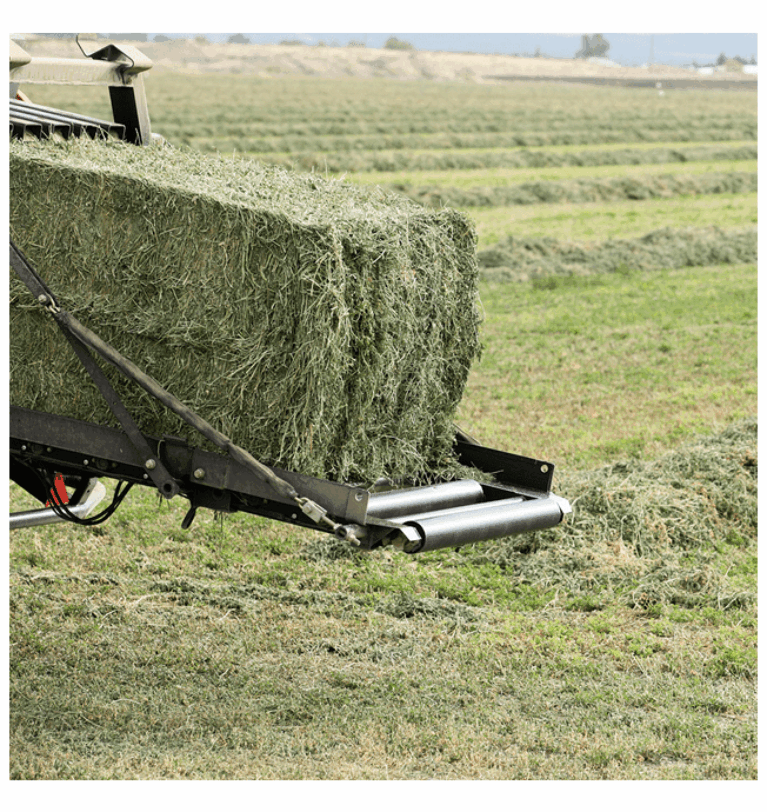
Rhodes Grass Hay for Sheep: A Cost-Effective and Healthy Solution
Overview Rhodes grass hay is a popular choice among farmers all over the world. It is an effective method to maintain the health of dairy animals-sheep farming is rewarding and…
Read more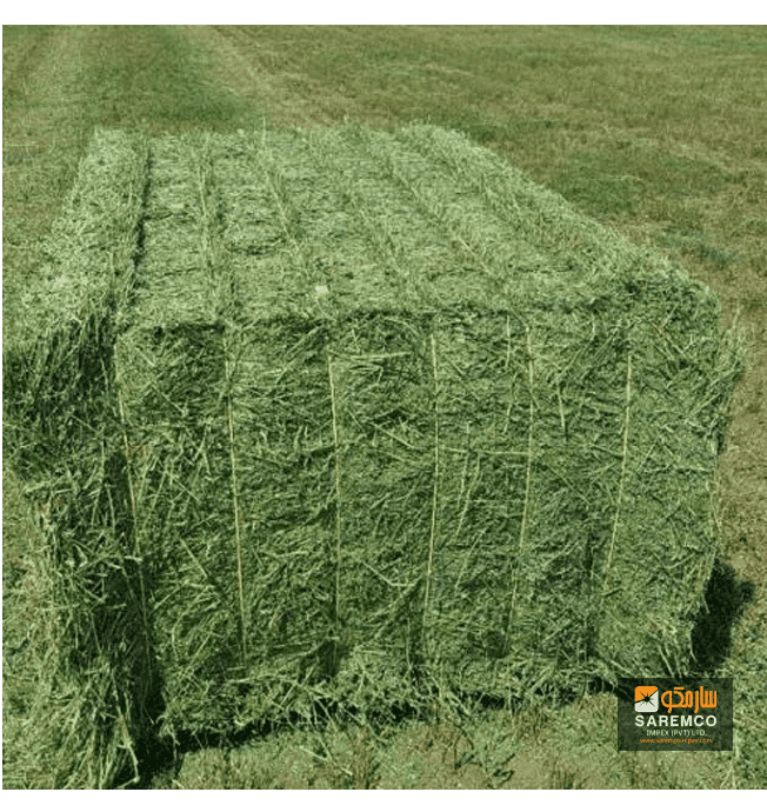
Rhodes Grass Hay for Horses: A Complete Feeding Guide
Feeding horses is not just about filling a manger with hay. It’s about providing a balanced nutrition plan that helps performance, energy levels, digestion, and long-term health. Rhodes grass hay…
Read moreGET IN TOUCH
Latin words, combined with a handful of model sentence structures, to generate Lorem Ipsum which looks reasonable.
Overview
Rhodes grass hay is a popular choice among farmers all over the world. It is an effective method to maintain the health of dairy animals-sheep farming is rewarding and ensures productivity and health that requires proper and high-quality feed. Rhode grass is a proper solution that is known for its palatability, nutritional content, and adaptability.
What is Rhodes Grass?
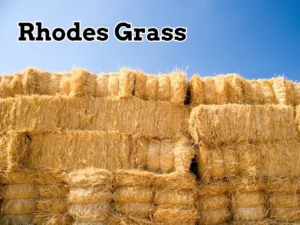
Rhodes grass is derived from Choris gayana, which is a perennial tropical grass native to Africa but widely cultivated in some regions due to its adaptability and resilience. It is based on different types of soils, tolerates heavy rain, and withstands heavy grazing, so it has become a perfect crop for sheep farmers. Its high biomass production and growth rate are fast. It remains available throughout the year.
Nutritional Value of Rhodes Grass Hay
Its nutritional composition depends on some factors like curing process, harvesting time, and soil. Quality and curing process. It is rich in Fiber, protein, and essential minerals that make it an ideal crop for sheep.
1- Protein Content:
Protein is important for wool production, reproductive health, and muscle development in sheep. Rhodes grass hay has 8-15% crude protein, depending on grass maturity. Younger hay is rich in protein that is perfect for lambs.
2- Fiber Content:
The Fiber in hay digestion and rumen function. It promotes saliva production and maintains a healthy environment. Its Fiber prevents digestive issues like acidosis and bloating.
3- Minerals and Vitamins:
Sheep require magnesium, phosphorus, and trace elements like copper and zinc for reproduction and healthy growth. Rhodes grass hay requires a moderate amount of minerals and is mixed with supplements and provide more healthier meal to dairy animals.
4- Energy Value:
Rhodes grass hay is a rich source for sheep, especially if combined with legumes or grains. This energy supports milk production, overall vitality in old sheep.
Advantages of Feeding Rhodes Grass Hay to Sheep
1- Improves Growth and Weight Gain:
Feeding Rhodes grass hay to sheep provides advantages like nutrition, improved digestion, palatability, and lower risk of bloat, steady growth, weight maintenance, and farm efficiency, especially in the summer season, which provides reliable, cost -effective, and consistent feed.
2- Supports Reproductive Health:
Sheep require proper nutrition for lambing and breeding. It works well, especially in late pregnancy, supports fetal development, maintains body condition, and milk feeding. Rhodes grass hay, especially during late pregnancy, helps maintain body condition, supports fetal development, and promotes healthy milk production after lambing.
3- Enhances Wool Quality:
Its protein content contributes to quality and wool growth. Farmers can feed Rhodes grass hay to sheep, which increases profitability in wool production for them. Denser wool may increase the revenue for farmers in wool production.
4- Highly Palatable:
Sheep find it highly palatable, which means it is consumed without wastage. It ensures that you can pick it as per the requirements.
Cost-Effective and Sustainable:
It can tolerate heavy rain and grows in any climate, especially in the summer season, and it is long in Pakistan- it makes it a cost-effective option for farmers.
Harvesting and Storage Tips
For perfect nutritional value, it should be ready for harvesting time and stored well. To:
1- Harvesting at the Right Stage:
For better growth results, when grass is mature, so increases Fiber and reduces protein, which can decrease digestibility for sheep.
2- Drying:
After the cutting process, the grass must be dry in the sun to reduce moisture content (15-18%). If it is dried well, then it can preserve the nutritional quality of hay.
3- Baling:
When dried and maintained in quality then it’s converted into a small square bale that is easy to handle in large farms.
4- Storage Conditions:
Once it is stored in a dry area to prevent spoilage, it is covered properly with a trap. It can also be stored in a hay barn, which ensures it remains healthy for sheep.
Feeding Recommendations
- Lambs: Includes 50-60% hay.
- Adult Sheep: Mature sheep consume hay as their basic source.
- Pregnant and Lactating Ewes: Provide high-quality, leafy Rhodes grass hay
Combining Rhodes Grass Hay with Other Feeds
- Legumes:
- Concentrates:
- Mineral Supplements
Potential Challenges
You need to focus on:
- Maturity of the Grass
- Moisture Issues
- Mineral Imbalance
Feeding horses is not just about filling a manger with hay. It’s about providing a balanced nutrition plan that helps performance, energy levels, digestion, and long-term health. Rhodes grass hay has value and is gaining attention among horse owners, stable managers, and trainers. It is popular as it is saved, palatable, and has digestive benefits, an excellent option for many types of horses if fed properly.
What Is Rhodes Grass Hay?
Rhodes grass is derived from Chloris gayana, a hot-summer season grass that grows rapidly in tropical and sub-tropical climates- it is widely grown in Punjab and Sindh (provinces of Pakistan). Every farmer must know their harvest time because if it is harvested at the right stage and dried well, then it becomes a suitable feed item for dairy animals, including horses. Rhodes grass is not like alfalfa; it is a grass hay that is lower in protein and calcium, making it a perfect option for daily feed items. For horses, it is a moderate nutritional profile.
Nutritional Profile of Rhodes Grass Hay
It contains a balanced diet as mentioned below, so it is an ideal choice for horses:
- Crude protein: Around 8–12%
- Fiber: High, which supports healthy digestion
- Calcium: Low compared to alfalfa
- Energy: Suitable for maintenance and light work
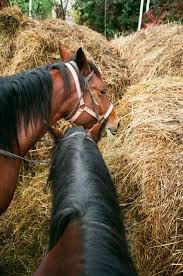
Why Rhodes Grass Hay Is Good for Horses
1- Supports Digestive Health
It is an ideal choice for horses as they have a very sensitive digestive system and Fiber for proper functionality. It helps our stomach and reduces acid and no digestive factors like colic and ulcers. It is used forthe best digestive system.
2- Ideal for Horses Prone to Weight Gain
Some horse riders keep horses for riding or light work so that they don’t give high-calorie food- they prefer Rhodes grass. Feeding rich hay is good to weight gain, laminitis, and insulin resistance, or laminitis. For adult horses, provide a minimum of 1.4 to 1.5% of body weight/day of hay-Rhodes grass provides bulk with no excessive calories that makes it a perfect choice.
- Easy keepers
- Overweight horses
- Horses with metabolic syndrome
- Laminitis-prone horses (under veterinary guidance)
3- Safer ratio of Calcium-to-Phosphorus
If we compare Rhodes grass hay with alfalfa, then it has high in calcium and creates an imbalance in large quantities. It provides a balanced ratio with long-term benefits. It is safer for long-term use and mixed with many other food supplements to make a balanced diet, so it is good for mature horses.
4- Highly Palatable for Most Horses
If harvested at correct time, then it gives soft texture and pleasant smell. Horses accept it at once as they love eating Rhodes grass. Its Fiber encourages natural chewing behaviour that reduces boredom and supports mental health.
Rhodes Grass Hay vs Other Horse Hays
Comparing Rhodes Grass with Alfalfa Hay
- Alfalfa is higher in protein and calcium
- Rhodes grass is lower in calories and safer for daily feeding
- Alfalfa suits performance horses; Rhodes grass suits maintenance horses
Comparing Rhodes Grass with Timothy Hay
- Timothy hay is cool-season and often more expensive
- Rhodes grass is more drought-resistant and widely available in warm regions
- Both are good grass hays, but Rhodes grass may be more economical
Which Horses Benefit Most from Rhodes Grass Hay?
Rhodes grass hay is suitable for a wide range of horses, including:
- Pleasure and trail horses
- Retired and senior horses (when soft and dust-free)
- Broodmares in maintenance stages
- Ponies and easy keepers
- Horses on restricted or controlled diets
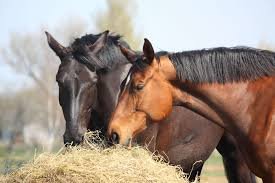
How much feed is required?
You can add 1.5 to 2% of body weight in a day. For example, a 500 kg (1,100 lb) horse needs about 8 to 10 kg daily.
Quality Matters
High-quality Rhodes grass hay for horses should be:
- Green to light green in color
- Free from dust, mold, and weeds
- Soft and leafy rather than coarse and stemmy
- Low in moisture (to prevent spoilage)
- Properly baled and stored
Storage methods
To maintain quality:
- Store hay in a dry, well-ventilated area
- Keep bales off the ground
- Protect from rain and humidity
- Inspect regularly for mold or spoilage
Corn is also called maize (derived from Zea mays) is one of the most widely grown cereal grains in the world. It is a versatile feed source for raw industrial material, feed stick that makes it important in many countries.
Many people are familiar with corn as a vegetable as corn-based items like popcorn, corn syrup, and corn meal, with its complex composition, which describes its nutritional value, storage properties, and industrial applications. Nutritionists, manufacturers, exporters, food scientists, and farmers need to know about corn grain composition.
Structure of a Corn Kernel
A corn has 4 components- the outer for protection, the starchy food storage endosperm, the living germ, and a small tip cap that connects it to the cob, working side by side to nourish a growing plant. It means a corn kernel is classified as a caryopsis, which is like a simple dry fruit. Basically, the kernel has 3 main parts like pericarp, the germ, and the endosperm. These parts have unique nutritional and biochemical properties.
- Pericarp (Bran)
It is the external layer of the corn kernel and provides its protection. It is composed of hemicellulose, cellulose, and a smaller amount of lignin. However, it contains only a small portion of total kernel weight, rich in dietary Fiber, making it effective for animal feed and human digestion.
It plays an important role in kernel durability, but its strength and thickness affect how the grain resists pests, storage, and mechanical loss in the harvesting process. In addition, it contains phenolic compounds that act as antioxidants and contribute to overall health stability and benefits.
- Germ (Embryo)
It is the reproductive part of the corn kernel, active for the growth of a new corn plant. It represents only 10-12% of the weight of the kernel. It is a powerhouse of nutrients. It is rich in:
- Lipids (fats): It has corn oil, which may cause of unsaturated fatty acids like oleic and linoleic. This oil is used for industrial purposes and cooking.
- Proteins: It has high-quality proteins, which are important for both animal and human nutrition.
- Vitamins and Minerals: This is a perfect source of vitamin E, iron, magnesium, B-complex, and phosphorus.
- Endosperm
The endosperm covers the maximum part of the corn kernel, accounting for 85% of the weight. It provides high energy in the germination process. It is composed of starch and protein, and non-starch polysaccharides.
- Starch: It is based on complex carbohydrates, which is made from amylopectin and amylose. If we consider amylose, then it is a linear polymer, while amylopectin is branched, which influences industrial, gelatinization, and digestibility. Corn is used in industries as a sweetener, thickener, and stabilizer.
- Protein: Corn endosperm protein is also called zein, which is deficient in some essential acids, especially lysine, and amino acids, and tryptophan. Corn is a complete source of protein. Endosperm has functional properties like film-forming ability and water insolubility in industrial applications.
- Non-Starch Polysaccharide: It has Fiber and cellulose that contribute to the structural integrity of the kernel. It is used for animal feed.
Nutritional Composition of Corn Grain
- Carbohydrates: 70–75% (mostly starch)
- Proteins: 8–11%
- Fats: 3–5%
- Fiber: 7–9%
- Ash (minerals): 1–2%
Carbohydrates & Energy Content
Carbohydrate especially starch, is the main energy source in it. It is classified on digestibility, starch-resistant, like Fiber provides health benefits like promoting microbiota and reducing glucose in the blood.
Protein Quality
It is mixed with legumes or other supplements as a balanced diet with amino acids. Corn is a gluten-free item that serves as protein-rich feed for dairy animals.
Lipids
It contains polyunsaturated fatty acids (PUFAs_, which is beneficial for our health. It contains tocopherols act as natural antioxidants.
Minerals and Vitamins
Corn has minerals like zinc, iron, magnesium, and vitamins B1, B3, and B6. It is a source of vitamin EM and supports the immune system and cellular health.
Industrial And other Applications
Its composition determines a wide range of applications:
- Food Industry:
- Used in backing and cooking, like Corn flour, acorn starch, cornmeal for baking and cooking
- Sweeteners like corn syrup (high fructose)
- Corn cooking oil
- Animal Feed:
- It is used as a basic feed ingredient for cattle, poultry, and swine.
- Corn gluten meal provides protein, while the whole kernel supplies energy
- Biofuel and Industrial Use:
- Strach is converted into ethanol for fuel
- Corn oil is used in plastics, soaps, and cosmetics
Maize green forage is also called maize silage or green fodder, an essential feed source in dairy animal farming. It is grown in major regions of Pakistan due to easy availability, suitability, and high nutritional content for different climates. Luckily, we have good weather and climate in Pakistan, so farmers depend on maize green forage to increase the productivity of meat and milk and maintain the health of animals.
What is Maize Green Forage?
Maize green forage is the leafy section of the maize plant, as it remains green for a long time. It also changes colour to a full green and mature colour. When maize green forage grows and due it its height, it becomes difficult to enter the field with conventional machines. Green forage is rich in energy, protein, Fiber, and moisture, which makes it a perfect choice for goats, horses, sheep, buffalo, and cows. This plant, including leaves, stalks, and grain, is chopped and fed fresh to animals-chopped maize green forage remains fresh for a long time and used later.
Nutritional Benefits
Maize green forage has low protein content (3-13% of DM) & high Fibre, depending on harvesting stage. It is rich in starch, and so it is considered the best source of energy for dairy animals. It is highly valuable due to its balanced nutritional profile. It is also used as a cover crop for major essential crops. It has protein, vitamins, and minerals for the growth of dairy animals and production. Animals eat more once encouraged, as it is more palatable, which improves efficiency.
It has many benefits, but some key advantages we have mentioned below: –
- High Nutritional Value
- Rich in energy, carbohydrates, and fiber
- Helps improve milk yield and fat content
- Suitable for young and adult animals
- High Yield Per Acre
- Produces large biomass in a short duration
- Gives multiple cuttings in some varieties
- Perfect for farmers seeking quick returns
- Excellent Silage Crop
- Naturally high in sugars, perfect for fermentation
- Produces high-quality silage that lasts all year
- Maintains nutrients even after storage
- Drought Tolerance
- Needs less water as compared to other green fodders
- Perfect in semi-arid and warm regions
- Safe and Palatable
- Animals like to eat maize because of its sweet taste
- Easily digestible and supports rumen function
- High energy content (helps milk yield and weight gain)
- Rich in vitamins and minerals (Strengthens immunity and overall health).
- Good protein levels (important for growth and lactation)
- Digestible Fiber (Helps maintain a healthy digestive system in dairy animals).
Cultivation Practices
Maize green forage is one of the most common green crops for animals in small, medium, and large-scale farms. Maize green forage is used as fresh, used in the form of silage, and given in a slightly dried form to cattle, horses, buffalo, goats, and sheep. Animals stay strong, gain weight, and produce milk. Farmers choose maize as per their requirements, so they do proper management and planning. It is based on soil type usage and climate.
Farmers know where it is required. Fo example, some varieties that grow early are grown well for a short season, and on the other side, high-yield varieties are suitable for areas where a lot of other varieties are grown quickly.
Some important cultivation steps include:
- Soil preparation
- Sowing.
- Irrigation
- Weed control
- Harvesting
Let’s explore in detail
Climate
- Grows best in warm weather
- Ideal temperature: 25–35°C
- Sensitive to frost
Soil
- Prefers fertile, well-drained loamy soil
- Soil pH: 6.0–7.5
- Avoid waterlogging to prevent root rot
Land Preparation
- Plough the field 2–3 times
- Remove weeds and break soil clods
- Level the field for uniform irrigation
Seed variety, selection and Sowing
- Hybrid fodder maize
- Early-maturing maize varieties
- Silage-specific hybrids with broader leaves
Seed Rate
- 40 to 50 kg per hectare (approximately 16–20 kg per acre)
Sowing Time
- Spring: February–April
- Monsoon: June–August
- Autumn: September–October
Sowing Method
- Use seed drills or manual sowing
- Row spacing: 20–25 cm
- Seed depth: 3–5 cm
Fertilization and Nutrient Management
Adding fertilizers
- Apply well-decomposed farmyard manure (FYM)
- Add Nitrogen, Phosphorus, and Potassium (NPK) as recommended
Irrigation Management
- First irrigation immediately after sowing
- Regular irrigation every 7–10 days, depending on the season
- Avoid over-irrigation
- Critical stages:
- Germination
- Knee-height
- Tasseling and silking
Weed and Pest Control
- Use pre-emergence herbicides if needed
- Manual weeding at 20–25 days after sowing
- Keep field clean until canopy covers the ground
Pests that can damage
- Stem borers
- Armyworms
- Fall armyworm (FAW)
Pest Management
- Use light traps
- Use recommended insecticides
- Rotate crops to reduce infestation risk
Harvesting Maize Green Forage
Best Harvesting Stage
- For green feeding: 60–75 days after sowing
- For silage: at milk to the early dough stage
- This stage offers the highest sugars and best fermentation quality
Harvesting Tips
- No need to delay harvest; over-mature maize becomes fibrous
- Chop maize into 1–2 cm pieces for better intake
- For silage, compact tightly to remove air and seal properly
Basic steps of maize green production
- Chop the entire maize plant
- Fill in the silo pit or bags layer by layer
- Compact each layer to remove oxygen
- Add molasses if needed
- Seal airtight for 30–45 days
- Silage becomes ready with a sweet, pleasant smell
Corn is one of the best and important agricultural commodities in the world. It is used as a major source of food, fuel, and feed, making it a significant item for traders, exporters, producers, farmers, and the global market. Corn grain price affects everything from the feed cost of animals and ethanol, and every grocery item. Know how corn grain prices are managed, which factors influence them and how they help everyone involved or bales in the agricultural sector and want better decisions.
- Why price of Corn Grain Matter
Corn grain is used in many industries or the agricultural sector like
- Animal feed: corn is used for beef, poultry farms, base of energy source, and the pork industry. If there is any fluctuation in corn price, then it will directly affect the cost of milk. Eggs and meat.
- Food industry: Corn is processed into corn syrup, snacks, breakfast cereals, corn meal, and hundreds of packaged food items.
- Biofuel: It is s significant part of US corn and used in ethanol production. When energy prices increase, then ethanol prices also increase. It influences the cost of corn prices.
- Industrial uses: It is used in plastics, oils, starch, and other manufacturing units. It plays an important role in the global industry or agriculture, even in small changes in price that affect.
- What Affects the Price of Corn Grain?
Corn prices are changed by many factors, like supply & demand, global events, and shifting quickly due to weather. We have mentioned below some important or key factors:
- Supply and Demand
It is the main factor that when global supplies are good, then prices will decrease, and if supplies are not available due to reduced planting, droughts, then prices increase. Demand of animal producers, exporters, and ethanol plants also impacts the cost.
- Weather Conditions
This plant is very sensitive and depends on weather conditions like planting, pollination, and harvest. Drought can decrease yield, and you’ll see rice in price. Excess of everything is bad, if excess rain so it can delay planting, cause storage issues, and lower the quality of the crop. If we consider it in summer, then heat waves in pollination may reduce the formation of grain. Weather forecasts in the growing season can also increase in price immediately.
- Global Production
Corn is produced in major countries such as Ukraine, China, Argentina, Brazil, and the USA so major influence in prices. For instance. A strong or poor harvest can increase or decrease prices. Nowadays, the government provides training on the latest technology in the farming industry to farmers so that they can also make decisions as per requirements.
- Export Demand
Corn is a major exported commodity worldwide. Its prices also depend on international clients’ orders. If its demand increases, like when the EU, Japan, Mexico or China demands, then we can’t provide domestically or locally. Geopolitical issues, tariffs, and trade agreements also affect its demand.
- Currency Exchange Rates
The change in the value of dollars also impacts its prices globally. When the dollar weakens, then corn prices decrease for other countries so they can buy, when it is strong level, then they decrease the prices.
- Energy and Fuel Prices
Corn plays an important role in ethanol production. What happens if oil prices are increased- corn prices are increased, ethanol becomes more attractive, and producer buy more corn.
- Market Speculation
It depends on investors, traders, and hedge funds who buy or sll future agreements. This activity adds a volatile change in prices. If traders expect strong demand or poor harvests, then prices are increased.
- Seasonal Trends in Corn Grain Prices
One thing is confirmed that corn prices follow predictable seasonal patterns.
- Planting Season (April–June)
Prices increased in planting because it is not certain due to early crop development, acreage, and weather.
- Pollination (July–August)
It is the most important growth period. Weather in pollination affects yield. Dry or hot conditions may change rates quickly.
- Harvest Season (September–November)
When new supplies are available in the market, prices decrease.
- Winter Months (December–March)
In this duration, prices remain stable. Prices often stabilize. Market shift to export, predictions, and storage level.
- How Farmers Cope with Changing Corn Grain Prices
Farmers get exact details of what they will get at harvest, so they use many strategies to manage risk.
- Forward Contracts
Farmers lock in a cost for delivery later. It protects against sudden drops in the market.
- Futures and Options
With complex, they provide to manage domestic risk.
- Crop Insurance
Farmers must use this facility as an insurance plan to protect their crop if a fall in revenue because there is no stability in the market.
Corn is a widely grown crop in the world and plays an important role in the production of dairy animals. Farmers, whether working on a small scale or large scale, know with its unique advantages and applications- they should know the difference between corn silage and corn grain. It is good as we can make a decision that optimizes both animal nutrition and yield.
What is Corn Silage?
Corn silage is whole plant corn that is harvested but remains green due to high moisture, around 70 percent. The whole plant is chopped into small pieces and stored in plastic bags, bunkers, and silos. It is preserved in the fermentation process as making it nutritious and digestible, especially for beef cattle and cows.
The basic aim of corn silage is to provide a high-energy feed source that is easy to digest and rich in Fiber. It is different from grain, which is also starch, and silages contain husks, leaves, and stalks. Silage provides both protein and Fiber with carbohydrates. It develops an excellent base for TMR (Total mixed rations).
What are Benefits of Corn Silage?
- High Energy Content: Corn silage provides energy in the form of carbohydrates, which is important for dairy cows.
- Fiber Source: The stalk portion provides digestible fiber and helps maintain animals’ health.
- Flexibility in Harvesting: Farmers also harvest silage at the right stage for both nutrient content and yield, particularly kernels help in a steady supply.
- Preservation: After the fermentation process, silage is stored for some months without loss of its preserved nutrients. It ensures availability throughout the year.
- Cost-Effective: Silage occupies less space or land (area) for production compared to grain production, so it is cost cost-effective source.
Nutritional Composition
It depends on some factors, including harvest time, hybrid type, and soil fertility. It supports faster weight gain in animals. Its balanced diet is helpful for animals for weight gain and keeps animals active with a good level of proteins and minerals. Due to its nutritional health, it keeps animals healthy and maintains overall body health.
Typically, corn silage contains:
- 30 to 35% dry matter
- 70 to 75% moisture content
- 8 to 10% crude protein
- High levels of digestible carbohydrates
The above-mentioned ratio makes it ideal for both Fiber and energy. It is for a proper digestive system, meat, and milk production.
What is Corn Grain?
Corn grain is developed from kernels of the corn plant, harvested if matured properly, and then farmers dry it (about 15% moisture content. It is the most important crop and is used as a cover crop for many other important crops. It is used to make ethanol. Oil and flour. For animals, it gives energy and is important for its high starch content. It provides energy to beef cattle, dairy cows, poultry, and pigs. It can be fed whole, ground, rolled, and cracked. No stalk and leaves area added, so it provides less Fiber.
. Benefits of Corn Grain
- High Energy Source: Corn grain provides concentrated energy, ideal for weight gain in beef cattle and high-producing cows.
- Storage and Shelf Life: It is first dried properly and then stored for some months, even a year, without any nutrient loss. It is also affordable for farmers if they can afford expensive feed items available in the market.
- Versatility: Grain is used for human food, industrial purpose,s and dairy animals. It can be fed directly, but processed for feed for dairy animals.
- Predictable Nutrient Content: It has low Fiber content, digestibility, consistent nutrient profile (moderate level of protein, & starch). This consistency makes it much easier to create accurate and balanced diets for different types of livestock, helping nutritionists meet their specific nutritional needs reliably.
Nutritional Composition
Corn grain is rich in starch and relatively low in fiber. It includes:
- 86-88% dry matter
- 8-10% protein
- 70-75% starch
- Minimal fiber
Corn grain has carbohydrates, provides required energy with fats, Vitamins B & C, Fiber, minerals like potassium, phosphorus, and magnesium, which is gluten-free and lacks important acids like tryptophan and lysine. It also offers antioxidants like phenolic acid and carotenoids.
Macronutrients (Per 100g, approximate)
- Calories: ~365 kcal (dry grain)
- Carbohydrates: ~74 g (mostly starch)
- Protein: ~9-10 g (low quality, lacks essential amino acids)
- Fat: ~4-5 g (mostly unsaturated)
- Fiber: ~7-10 g (insoluble fiber)
Vitamins & Minerals (Key Sources)
- Vitamins: Thiamine (B1), Folate (B9), Niacin (B3), Vitamin B6, Vitamin C (sweet corn), Vitamin E, Vitamin K
- Minerals: Magnesium, Phosphorus, Potassium, Zinc, Iron
Other Components
- Phytochemicals: Lignans, phenolic acids, phytic acid, plant sterols, saponins, carotenoids (beta-carotene in yellow corn).
- Gluten-Free: Corn is naturally free from gluten.
Characteristics
- Energy Source: High in starch, making it a significant energy source.
- Incomplete Protein: Lacks sufficient lysine and tryptophan, often requiring supplementation for livestock or balanced human diets.
- Variability: Nutritional content differs between sweet corn (higher sugar, water) and field corn (higher starch, protein).
Differences Between Corn Silage and Corn Grain
| Feature | Corn Silage | Corn Grain |
| Plant Part Used | Whole plant (stalk, leaves, husk, kernels) | Only kernels |
| Moisture at Harvest | 65-70% | 15-20% |
| Primary Nutrient | Fiber + carbohydrates | Starch (high energy) |
| Storage | Fermented in silos or bags | Dried and stored in bins or silos |
| Feeding Use | Ruminants (dairy and beef cattle) | Ruminants, pigs, poultry |
| Harvest Timing | Milk/dough stage | Full maturity |
| Fiber Content | High | Low |
| Energy Density | Moderate | High |
| Preservation | Fermented for months | Stored dry for long periods |