
Agro & Raw Products Exporter in Pakistan

About Saremco Mission & Vision
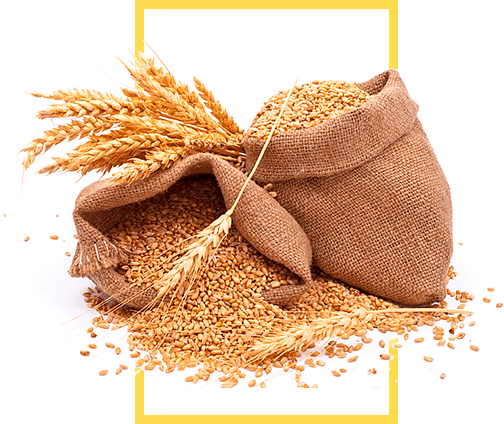
Saremco International has been actively involved in exporting various commodities & animal forage worldwide since 2004.
We ensure high quality of chemical-free agricultural products from Pakistan.
Our Popular Products for Export from Pakistan
Raw Material Exports
SAREMCO International specializes in the production and trading of agricultural products worldwide. We have a range of agriculture products which we harvest from our own farms majorly and handle them carefully till delivery to our clients' premises.
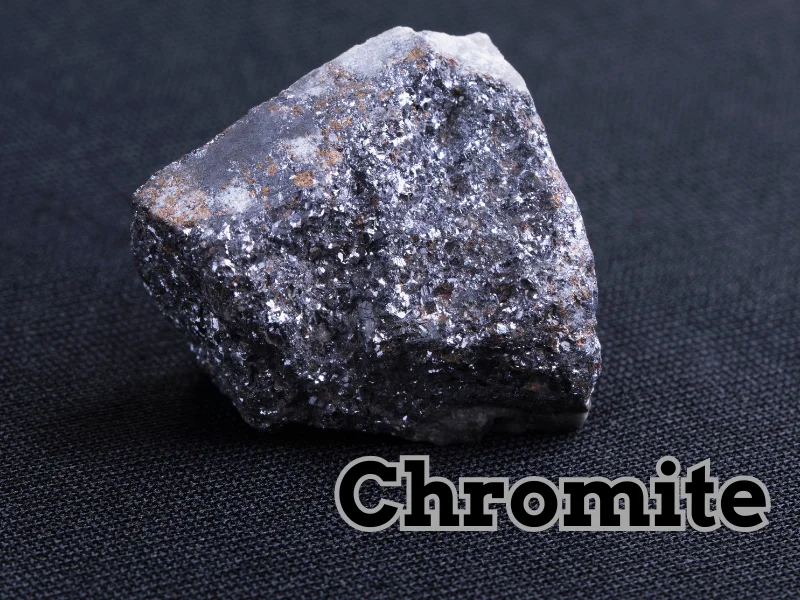
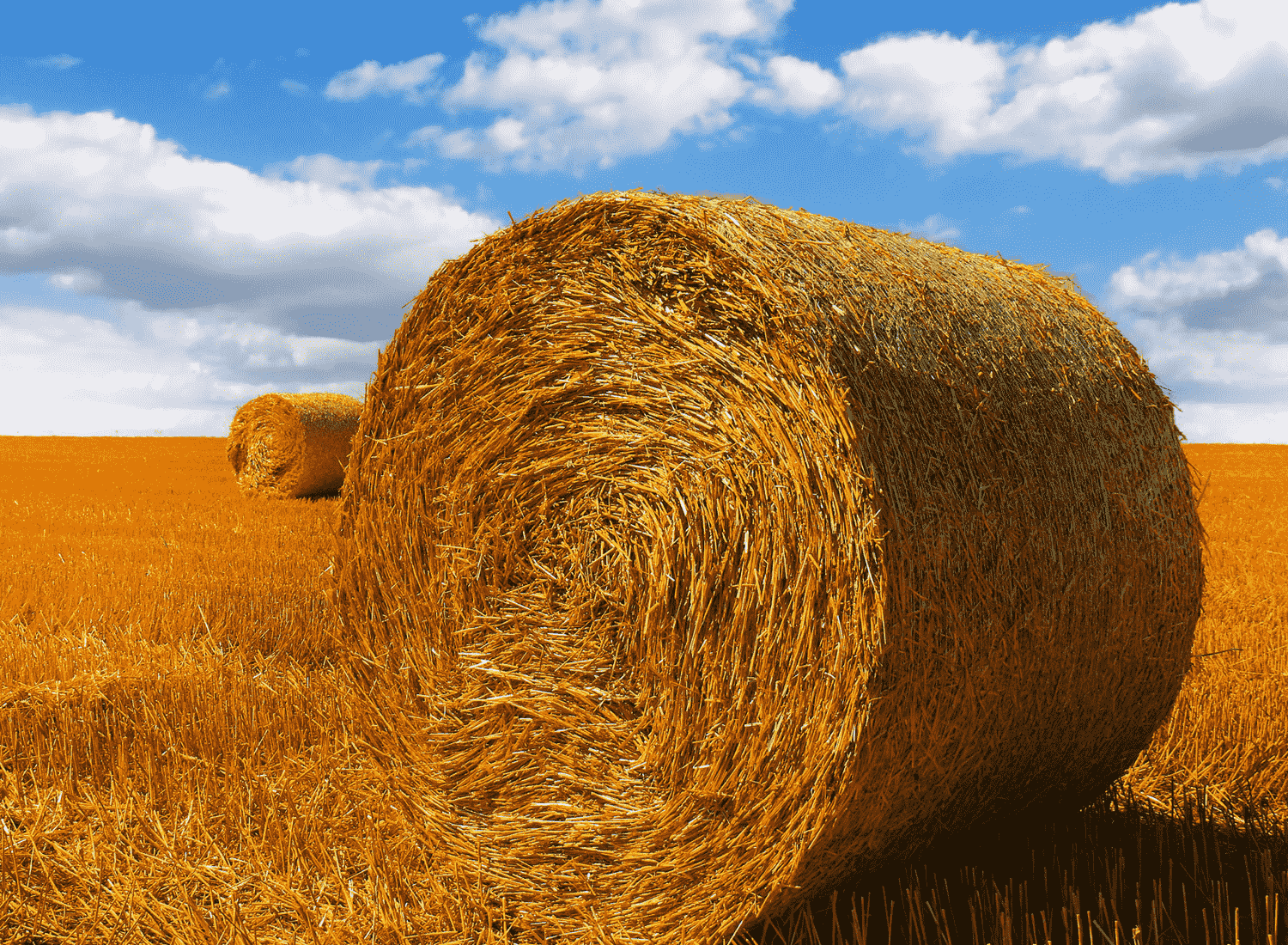
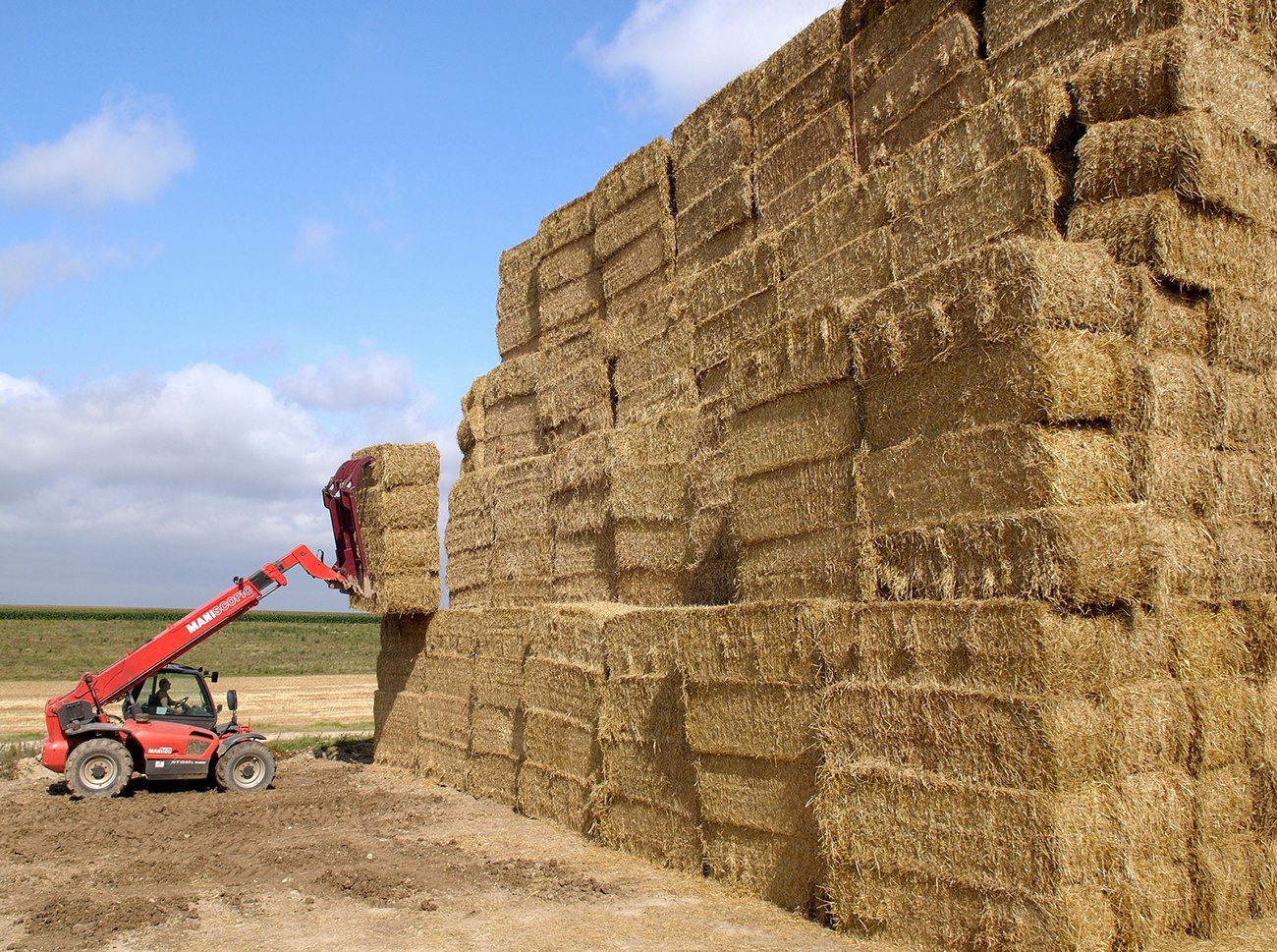


19500
Tons of harvesta

2004
Exporting Since

10000
Hectares of farm

128
Units of technic
PEOPLE SAY ABOUT US
It is really nice to trade with saremco international, as they provide every information in details and also are very helpful in packaging and handling of the products until delivered.

Trading Experience with saremco international was excellent, their customer service was top-notch, provided me with every single detail. Saremco Transparent work routine is awesome.

Saremco International Packaging and shipping methods are flawless. Packaging standard is good and hygienic. The best thing is, shipment arrives in time with best quality products.

BLOG POSTS
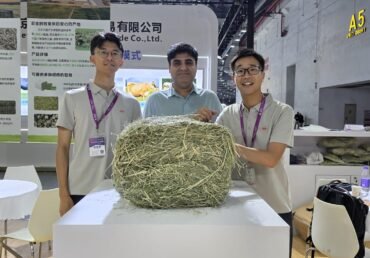
Saremco Agri Commodities Participating at China Dairy Expo 2026
Saremco Agri Commodities – Leading Animal Feed Exporter Pakistan’s First Exclusive Animal Feed Supplier Representing the Nation. Saremco Agri Commodities, along with its sister concern, Saremco International, will once again…
Read more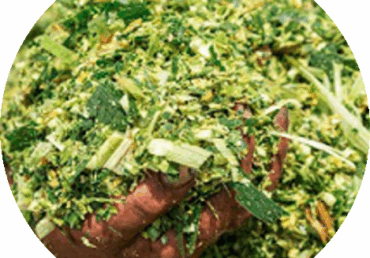
Why Our Corn Silage is Ideal for Large Dairy Farms?
In modern dairy farming, feed quality plays an important role in animal health, milk production, and overall farm income. In these available feed options, corn silage has become a perfect…
Read more
Corn Silage vs Hay: Which is Better for Livestock?
When we work in dairy animal feeding, we need to decide whether to use corn silage or hay. We choose the best option based on our experience. In this blog…
Read more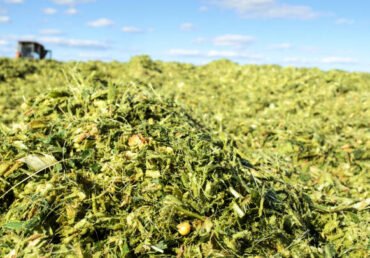
Why Import Corn Silage from Pakistan? A Complete Guide for Chinese Buyers
As China’s dairy animal industry continues to expand, demand for high-quality animal feed is growing globally. Corn silage has provided a rich and highly efficient solution. Pakistan has become a…
Read more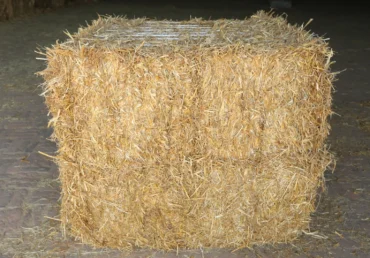
Wheat Hay vs Grass Hay – A Complete & Precise Guide
Overview First, we can say that Wheat hay (cereal hay) and grass hay differ in their function such as usage, Fiber, and nutrient density. Grass hay has less energy and…
Read more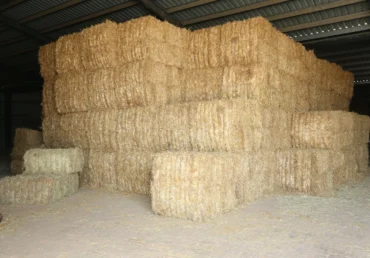
Wheat Straw Calorific Value and Its Importance in Energy Production
Overview Wheat straw is one of the most important agricultural feed items produced all over the world. It is a dry stalk left when grains are separated or harvested from…
Read moreOur Premium Partners



GET IN TOUCH
We always welcome your inquiries, please feel free to contact us for any further information.
Mostbet’in kullanıcı dostu mobil uygulaması, Türkiye’deki oyuncuların istedikleri her an bahis yapabilmesine olanak tanıyor ve mostbet casino ile eğlencenin kapısını açıyor.
Hem büyük bütçeli oyuncular hem de küçük bahislerle başlamak isteyenler için seçenekler sunan pin up, geniş bir hedef kitleye hitap ediyor; pin up casino eğlencesi herkesi cezbediyor.
온라인 베팅을 안전하게 즐기려면 1xbet을 선택하세요.
Claim your bonus and start playing on 1xbet.
Find your winning moment today with Mostbet.
Saremco Agri Commodities – Leading Animal Feed Exporter
Pakistan’s First Exclusive Animal Feed Supplier Representing the Nation.
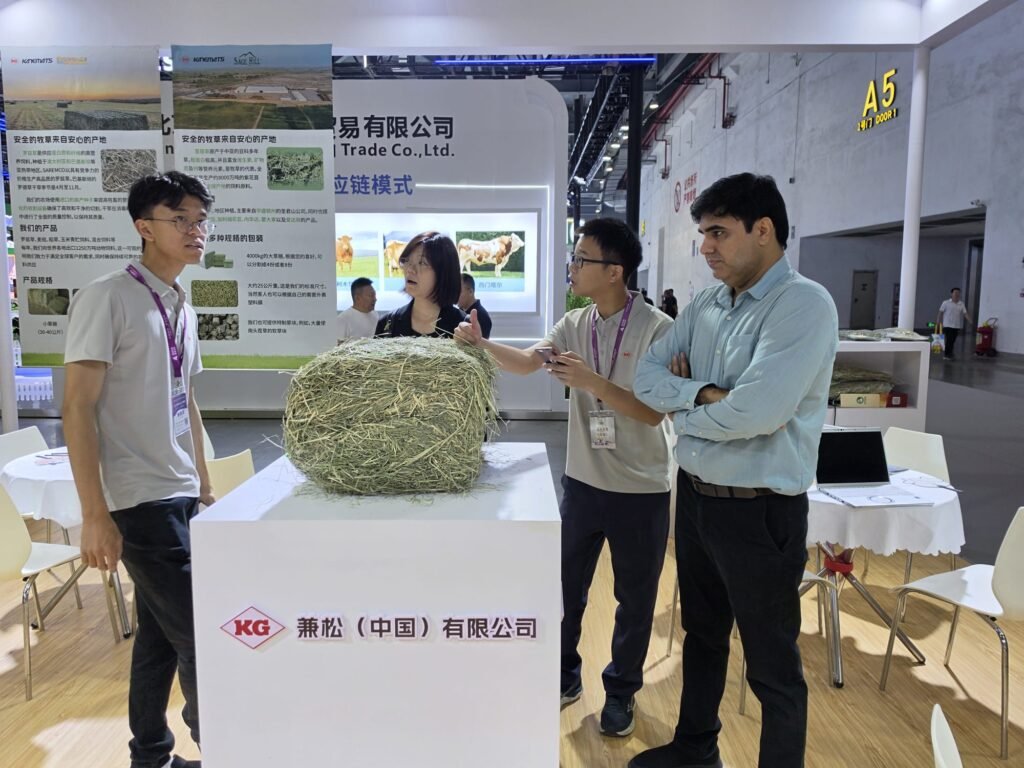
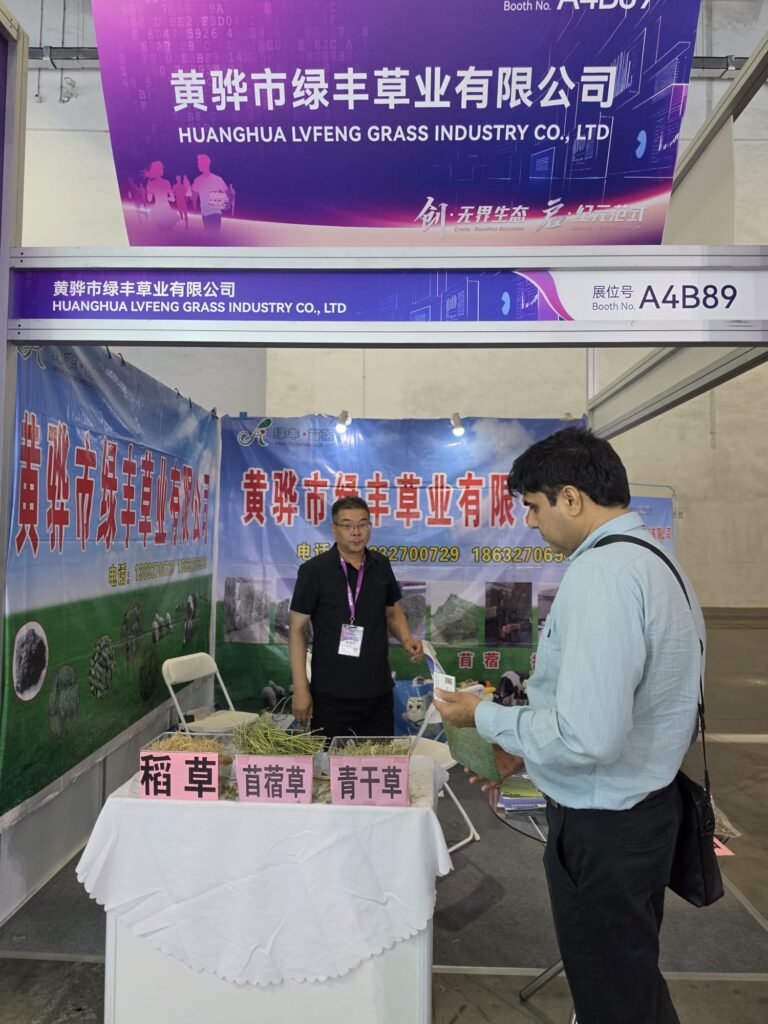
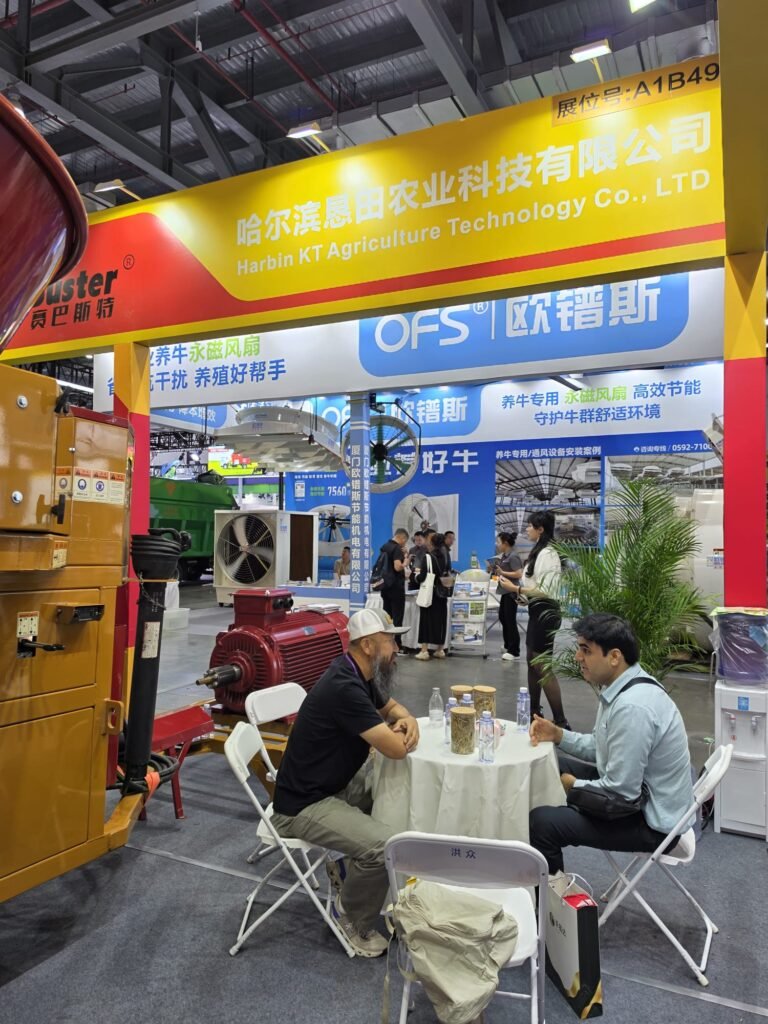
Saremco Agri Commodities, along with its sister concern, Saremco International, will once again proudly represent Pakistan at the China Dairy Expo 2026 — a significant milestone for the nation’s agriculture and livestock feed industry.
Saremco International: A Proud Pakistani Presence
Saremco International, registered in Pakistan, stands as the only Pakistani company with feed production plants across all agricultural zones and dedicated storage facilities, making it the largest animal feed supplier in the country.
Meanwhile, Saremco Agri Commodities, registered in South Korea, manages international operations, creating a global bridge for Pakistan’s agri-exports. Together, they form a powerful duo continuing to expand their foothold in the Chinese market.
Rhodes Grass Hay – A New Landmark Deal
Building on last year’s milestone achievement, Saremco Agri Commodities is announcing a new Rhodes Grass Hay export deal, further strengthening its position as a trusted supplier to the Chinese market and reaffirming Pakistan’s growing role in the global forage trade.
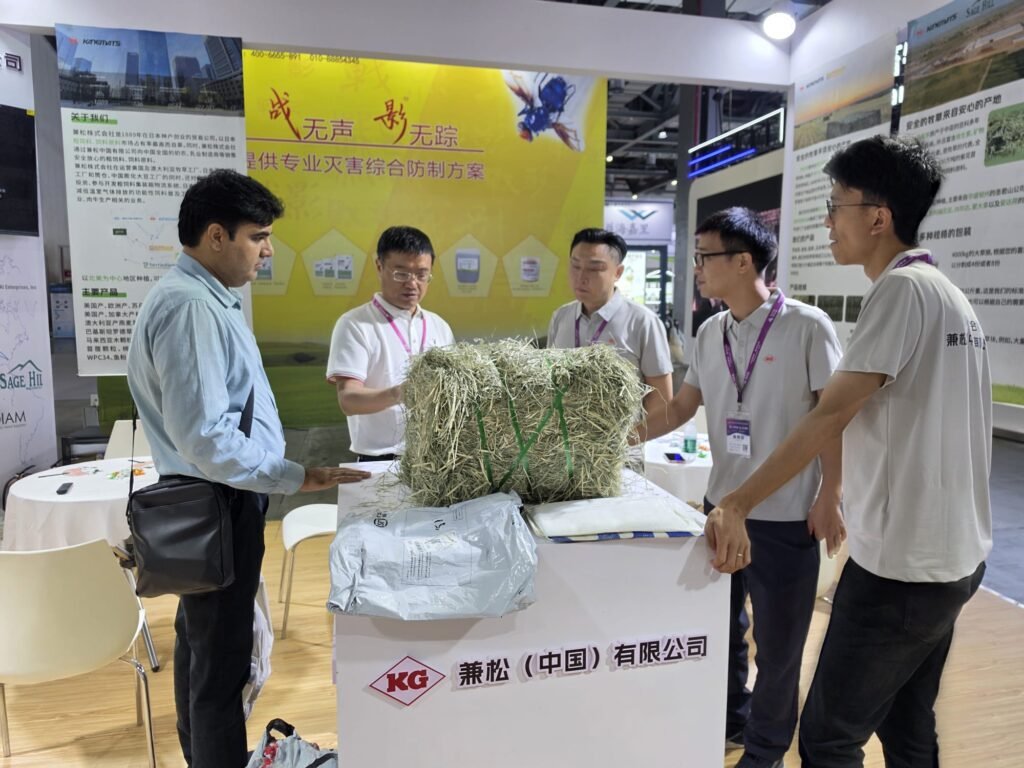
This participation at the China Dairy Export Expo 2026 marks:
1- The continued growth of Pakistan’s agri-feed exports to China
2- A showcase of Pakistan’s premium Rhodes Grass Hay production capacity
3- Strengthening of trade ties between Pakistan and China
Global Success: South Korea, Japan & China
Already a trusted supplier in South Korea, Japan, and China, Saremco Agri Commodities’ continued participation at China Dairy Export Expo reinforces its standing in Asia’s most competitive market. This new deal demonstrates the quality and scale of Pakistan’s agri-sector.
Key Highlights:
- Pakistan’s leading exclusive animal feed exporter
- Dual representation: Saremco International (Pakistan) & Saremco Agri Commodities (Korea)
- New Rhodes Grass Hay export deal with Chinese buyers
- Presence in South Korea, Japan, and China
- The largest feed production plants in Pakistan
Conclusion
Saremco Agri Commodities is not just participating in China Dairy Export Expo 2026; it’s representing Pakistan’s future in international agri-trade. As the largest animal feed producer and exporter, Pakistan’s new Rhodes Grass Hay deal confirms the trust and reliability the global market places in Pakistani agriculture.
For global partners looking for trusted, high-quality feed suppliers, Saremco Agri Commodities is leading the way.
In modern dairy farming, feed quality plays an important role in animal health, milk production, and overall farm income. In these available feed options, corn silage has become a perfect choice in large-scale dairy farms.
In modern dairy farming, feed quality plays a major role in determining milk production, animal health, and overall farm profitability. Among the many feed options available, corn silage has become one of the most preferred choices for large dairy farms. Saremco Agri commodities provide corn silage, which is better because it has consistent quality, high nutrition, and works well for large farms.
High Energy Content for Better Milk Production
One of the main benefits of our corn silage is its high energy. Corn plants have a lot of carbohydrates, especially in the grain part. This energy is important for dairy cows because it directly helps in milk production. Large dairy farms need feed that supports high-producing animals, and our silage gives the energy for steady and increased milk production. When cows get a balanced, high-energy diet, they produce more milk with better fat content. Over time, it will improve both production and profit.
Excellent Digestibility
Saremco Agri commodities export corn silage, which is processed and fermented in controlled conditions, so animals can digest it easily. It means cows or other animals can break it and absorb nutrients efficiently. It is good for better feed conversion and to produce more milk. It is very important for large dairy farms where you can manage thousands of animals, which improves feed efficiency and cost.
Consistent Quality for Large-Scale Operations
For large dairy farms, farmers should focus on consistency. Sudden changes in feed quality can affect milk production and animal health. Our silage meets international standards and uses proper fermentation techniques to keep the quality uniform in every crop.
The management and staff need to control moisture levels, fermentation conditions, and chop size. It will ensure that farmers receive good aroma, proper texture, and stable nutrients. Consistency helps to keep and maintain large-scale farms stable.
Better Nutrient Retention
If silage is stored properly, it helps prevent nutrient loss and spoilage. So, it all depends on proper management & quick decision-making on time. It means farmers can get maximum value for every ton. It can be used as a supplement and decreases feeding costs. Better nutrient retention also reduces the cost or need for additional costly supplements.
Suitable for Year-Round Feeding
Large farms need a reliable feed supply for the whole year. Seasonal shortage can also disturb milk production and other options for a long time with quality.
Improved Animal Health
If animals are healthy, they need less medical care. Corn silage supports animal health because it has a good balance of nutrients, Fiber, and energy. A healthy digestive system also reduces disease risk, and overall performance is improved.
Cost-Effective Feeding Solution
The main issue farmers face is the high feeding cost for large quantities to meet farm expenses. Corn silage becomes an effective solution because it efficiently provides high nutritional value.
Now, when problems like digestibility and high energy are solved, farmers can reduce the need for costly supplements. It is a good choice for large farms and helps save money.
When compared to other feed options, corn silage provides better value for money, especially when used on a large scale.
Easy Handling and Feeding
Managing feed on a large scale is very difficult. Corn silage is easy to handle, transport, and distribute. It has a uniform texture, which allows it to mix smoothly and provide animals with a proper diet.
Environmentally Friendly Option
Sustainability is becoming increasingly important in agriculture. Our corn silage supports environmentally friendly farming practices. It reduces feed waste due to its long shelf life and stable quality.
Additionally, efficient feed utilization means less waste output from animals. This contributes to better manure management and a reduced environmental impact.
Good for High-Producing Dairy Herds
Large-scale farms also focus on high-producing, nutrient-dense feed, and corn silage is suitable for herds that meet all requirements, including additional demands and high energy. It also supports reproduction, body condition, and consistent production of milk for animals. If you are a professional dairy farmer, then it is a very good option for you.
When we work in dairy animal feeding, we need to decide whether to use corn silage or hay. We choose the best option based on our experience. In this blog post, we will discuss what is essential for dairy animals like cost, difference in hay and corn silage, suitability, value, and storage for different farming system.
What is Corn Silage?
Corn silage is a type pf fermented feed item and made p from entire plant like grains, leaves, and stalks. This crop is harvested at high moisture level and stored in airtight condition. Corn silage is considered best in dairy and bee farming because it is available all over the year.
What is Hay?
Hay is made by cutting grass or plants like alfalfa and drying them until the moisture level drops to about 10–15%. After it is fully dry, it is packed into bales and stored safely for future use. It is used in dry of hot ears and dry type of animal feed, it is also easy to store and transport it.
Key Differences Between Corn Silage and Hay
1- Moisture Content and Preservation
There is some basic difference in how it is preserved. It requires airtight solution (plastic raps or silos. It should be stored in dry position.
- Corn Silage: High moisture (40–70%), preserved through fermentation
- Hay: Low moisture (~12%), preserved by drying
2- Nutritional Value
Corn silage has more nutritious than hay:
- It keeps more nutrients because it is not lost during drying.
- It has high energy because it contains corn grain.
- It is easy for ruminants to digest.
According to latest research and experience it is concluded that corn silage is better then hay as it will provide more energy.
However, if you want to consider Hay then please note it has more Fiber and all depends on quality of variety.
3- Palatability and Feed Intake
Dairy animals prefer corn silage:
- Fermentation produces acidic, slightly sweet, and acidic smell that is very appealing.
- Encourage high intake of feed
- It helps animals produce more milk and gain more weight.
Hay is also good but normally animal take less feed compared to silage.
4- Storage and Handling
Corn Silage:
- It needs plastic wrapping, bunkers, or silos for storage.
- It needs careful handling to prevent it from going bad.
- It is heavier and harder to transport.
Hay:
- Can be store in bales
- It needs less infrastructure.
- Good for small farms
Hay is usually better for farmers who have fewer resources or smaller farms.
5- Weather Dependence
Weather is very important in forage production.
- Silage: It depends less on weather because it does not need drying.
- Hay: It depends a lot on dry weather for proper curing.
6- Cost and Investment
Corn Silage:
-
- You need to invest at first step which can be costly/ like silos, machinery etc.
- Perfect long-term productivity
- Hay:
- No expenses or Lower production cost
- No machinery required
It can increase profitability so you will feel that choosing hay is better decision.
Advantages of Corn Silage
- It has high energy that helps animals grow quickly and produce more milk.
- It keeps nutrients better.
- It will improve palatability and feed intake.
- Good for large scale farms
- It is available throughout the year
Advantages of Hay
Hay remains a valuable feed option:
- It is easy to store and does not need special equipment
- It has low moisture, so it does not spoil easily
- It is easy to transport and handle
- It is good for animal digestion because it contains Fiber
- It is cheaper to produce compared to silage
- It can be used in dry areas where fresh grass is not available
- It can be stored for a long time if kept dry
- It helps keep the animal’s stomach healthy
- It is used as supplements with other feed item.
Disadvantages of Corn Silage
Despite its benefits, corn silage has some drawbacks:
- Expensive due to machinery for storage
- Spoilage risk
- Labour cost
- Not good for long-distance
Disadvantages of Hay
It has also some disadvantages:
- Can loss nutrients in drying process
- Depends on climate or weather conditions
- Lower energy content compared to silage
- Risk of mold if stored improperly
As China’s dairy animal industry continues to expand, demand for high-quality animal feed is growing globally. Corn silage has provided a rich and highly efficient solution. Pakistan has become a reliable exporter of corn silage, providing consistent quality, affordable price, and healthy solutions (nutrient-rich). In this post, we have explored why importing corn silage from Pakistan.
Importing corn silage from Pakistan provides Chinese buyers with cost-effective, high-quality, and nutrient-rich dairy feed, which provides annual maize production of over ten million tons, trade agreements, and a suitable climate. Pakistan provides properly packaged, reliable, and fermented silage that is an alternate option to meet he standard and demand in the Chinese dairy region.
Key Reasons for Chinese Buyers to Import from Pakistan
- High Quality & Nutrition: Pakistanis corn silage is considered best due to a balanced diet of carbohydrates, protein, and Fiber, providing highly digestible and ideal climate conditions.
- Cost-Effectiveness & Value: It is an easy-to-manage and budget-friendly option that reduces dependency on costly food items or supplements and boosts income or farm.
- Massive Production & Supply Consistency: With maize as the 3rd largest cereal crop. Pakistan provides continuous and stable silage and avoids feed shortages in the Chinese market.
- Long Shelf Life: It can be stored for long periods. , minimizing waste and storing for a long time.
Complete Guide for Chinese Buyers
- Quality of Product & High Standards: The main points are well-fermented, low moisture content, and correct chop length that provide high-quality feed items.
- Logistics & Compliance: Work with professional, well-trained, and experienced exporters that handle packing and comply with regulations.
- Transport Channels: Pakistan has a complete air and sea freight setup with fast and cost-effective transport.
- Market Opportunity: The USA, Pakistan, and Ukraine provide the best and most affordable solutions to manage the supply chain.
What is Corn Silage and Why is it Important?
Corn silage is a fermented feed item, which is derived from the entire plant, like grains, leaves, and stalks, preserved through anaerobic fermentation. It improves digestibility, improves efficiency, and locks nutrients. It is used in cattle farming due to its easy digestibility and high-energy content. It can support weight gain and milk production. Corn silage is a staple feed globally and considered an important and balanced diet throughout the year.
Why Pakistan is Emerging as a Key Supplier
Pakistan is rapidly becoming a global hub for corn silage exports due to its favourable agricultural conditions and growing expertise in silage production.
1- Ideal Climate and Fertile Land
Punjab is an agricultural region in Punjab and provides the best solutions to cultivate maize, including fertile soil, adequate water supply, and a suitable temperature range.
2- High Nutritional Value
It has a balanced composition like
- Crude protein: 7–10%
- Moisture content: 30–35%
- Fiber levels optimized for digestion
Then this profile is perfect for
- Dairy cattle
- Beef production
- Sheep and goat farming
3- Cost Advantage for Chinese Buyers
The main reason for buying from Pakistan is its cost, and you can say affordability.
- Average price: around PKR 20,000 per ton (bulk)
- Land efficiency and Lower production or labour costs
- Competitive export pricing compared to Western markets
For Chinese importers, this translates into:
- Lower feed costs
- Higher profit margins
- Reduced dependency on expensive domestic or imported feed alternatives
4- Consistent Year-Round Supply
It ensures:
- Continuous feed availability
- Stability in livestock production cycles
- Reduced seasonal risks
5- Advanced Processing and Quality Control
- Controlled fermentation processes
- Moisture and nutrient testing
- Vacuum-sealed packaging for freshness
Additionally, exporters provide:
- Certificates of analysis
- Phytosanitary certifications
- Quality assurance reports
- Shipping Terms
Clarify:
- FOB or CIF pricing
- Delivery timelines
- Packaging specifications
Challenges to Consider
While Pakistan offers many advantages, buyers should also be aware of potential challenges:
- Variability in quality among suppliers
- Need for proper storage upon arrival
- Import regulations and compliance requirements in China
Next Era
A strong trade ties exists between Pakistan and China. The demand for high-quality animal feed in China is expected to grow steadily. Pakistan, with its expanding agricultural sector and focus on value-added exports, is well-positioned to become a long-term partner in meeting this demand.
With increasing investment in:
- Modern farming techniques
- Export infrastructure
- Quality control systems
Therefore, Pakistan’s corn silage industry is expanding day by day as it is competitive in the global market.
Overview
First, we can say that Wheat hay (cereal hay) and grass hay differ in their function such as usage, Fiber, and nutrient density. Grass hay has less energy and protein for maintenance. Wheat hay has energy and low digestibility compared to other grasses (48%-59%). Wheat hay (a cereal hay) and grass hay differ primarily in their nutrient density, Fiber, and usage. In this article, we’ll describe how it differs with each other.
Wheat Hay
Wheat hay is a high-fiber feed produced by cutting the whole wheat plant at the initial stage. It serves as a versatile, sustainable, and economical feed item. It is considered the best and high Fiber produced by the cutting plant with techniques like cutting it at an early stage. It is good for sheep and cattle. Wheat hay is produced from this plant when the grains turn into a shape or form. Instead of harvesting crops for grain, farmers cut them and produce hay. This type is used in areas that are widely grown. Farmers want to utilize the crop for fodder and grain purposes.
Wheat hay contains moderate levels of protein, which depend on the stage when the crops are ready for harvesting. If farmers plan early harvesting, then as a result, wheat hay provides better digestibility and higher protein. If harvesting is in the late stage, then it becomes less digestible for dairy animals. Dairy animals like sheep, goats, and cattle consume wheat hay effectively. It will provide better digestion for dairy animals. But when you compare it with grass hay, then it will have high stem content that can reduce palatability.
Another benefit of wheat hay is its availability in regions where wheat is cultivated then farmers must be careful regarding damages issue of crop. Another benefit of wheat hay is its availability. In some regions, wheat is cultivated, and farmers can save their crop from losses. It is an affordable feed source for lower and middle-level farmers. Wheat hay has its own limitations. It contains a lower protein level compared to legume hay. Thus, animals need more protein supplements to increase productivity and manage growth.
Grass Hay
Grass hay is prepared from hay that is cut, dried, and baled to serve dairy animals like goats, horses, and cattle. It is important for animals in the winter season. Some types are clover, alfalfa, Rhodes grass, and timothy. Perfect quality hay is green, tender, and of extremely fine quality.
Grass Hay provides consistent nutritional value if harvested at the proper stage. This task is now easier due to recent technological advances, and trained farmers understand all techniques and best practices. Grass contains moderate protein levels and essential minerals for the support of animals. Nutritional quality depends on soil fertility, grass species, and grass maturity.
Grass hay is suitable for horses, sheep, cattle, and goats. It is special as it will provide a protein level that can cause digestive issues. Farmers know that grass hay is flexible in production. It is grown in soil conditions and can bear all climates, so it is available in all over the world. Proper practices like fertilization, harvesting, and good storage improve the quality of grass hay.
Goss hay is also popular due to its soft texture and good aroma that will increase palatability. Animals also prefer grass hay that increases intake, encourages high food and better performance of animals. Make sure its harvesting time is a critical point because if it is harvested late then it affects quality, and excess rain can cause nutrient loss.
There are many hay varieties, including cereal grass hay, legume hay, grass hay, mixed hay, timothy, orchard grass, bromegrass, Fescue, Ryegrass, bluegrass, meadow hay, and legume hay.
Nutritional Differences
The basic difference between wheat hay and grass hay in the nutritional composition. Wheat hay contains a high Fiber level but has thicker stems of the plant. Grass hay depends on the species that can balance digestible nutrients and the balance of Fiber.
Protein level is equal and balanced in both categories of hay; you can say it depends on harvesting time. As you know, young plants have high energy and protein. Mineral content also differs in both wheat and grass hay. It has a higher level of minerals that depend on the fertilization process and soil conditions.
Uses in Livestock Feeding
Wheat hay is used for dairy animals like sheep and cattle. It is also added with supplements to provide balance diet. In these regions, farming is economical.
Overview
Wheat straw is one of the most important agricultural feed items produced all over the world. It is a dry stalk left when grains are separated or harvested from the plant. In some regions, especially in Asian countries and the USA, it is produced in bulk every year. Farmers use wheat straw for soil mulching, fodder, and animal bedding, which increases interest in renewable energy sources. It is an important attention due to its calorific value as fuel.
The calorific or heating value of wheat straw generally ranges between 14.5 and 17.7 MJ/kg (megajoules per kilogram), depending on ash concentration & moisture content. It is considered a consistent source of ecological, renewable fuel. This value shows the required amount that is released and then completely burned. It is also an important biomass resource that is used for power generation and heat. This content is an important resource that is used for power generation and heat. It is a sustainable option for fuel and has become an important energy source.
Know Calorific Value
It is also called a heating value and measured as the energy that fuel contains and shows the heat produced in a specific quantity which is burned in controlled conditions. It is expressed in kilogram like kg or KJ (megajoules per kilogram (MJ/kg). These 2 types are used in studies, and first its shows a higher heat value that releases energy in the combustion process, like heat is used to condense water vapor. The second value is a lower heat value that excludes lost heat in vapor. If farmers want to check the practical energy potential, then they decrease the heat for biomass fuels like wheat straw.
Calorific Value of Wheat Straw
It is an important and effective biofuel that provides energy.
- Energy Density: Wheat straw possesses a low bulk density, and it is called the lower heating value (LHV). Pelleting can also increase energy density specially about 10 times more. It contains high-volume fuel and is viable.
- Variability: It shows value as a variable in both composition and quality due to genetic difference in climate, soil, and maturity. It includes key components such as silica and lignin that affects on feed and value. If rainfall increases, then it will produce less fibrous straw. Moisture content impacts the net energy (15 % in the market).
- Composition: Wheat straw is composed of 33%–45% cellulose, 20%–30% 5-15% minerals. hemicellulose, & 10%–20% lignin. It is composed as valuable and important feedstock for bio-based products and bioethanol due to its high energy content.
- Ash Content: It contains 5-10% mineral content on a dry matter basis, according to studies, it is rich in silica and contains potassium, magnesium, calcium, and phosphorus.
- Usage: It is used in industries as a versatile agricultural product for dairy animals and to improve mulch. It is used as a raw material for paper and packaging.
Chemical Composition and Energy Content
Chemical composition means the atomic or molecular makeup, for example, protein, carbon, hydrogen, lipid, etc. That shows calorific value or energy content within a bond. Energy is released with combustion or metabolic oxidation. The combination of these compounds makes a suitable material for different applications like biofuel production, protein, ash, and minerals. It will confirm how efficiently it burns and how it releases.
Chemical Energy Content (Calorific Value)
As we discussed energy density, measurements in simple energy form, similarly, chemical energy is stored in forms of substances like coal, biomass, and petroleum which is released as thermal energy.
Factors Affecting Calorific Value
Several factors influence the calorific value of wheat straw. It is important due to its moisture content. Freshly harvested wheat straw contains significant moisture, which can reduce heating value. For perfect and efficient combustion, it dries moisture levels less than 15%.
Another important factor is ash content. It has higher ash content compared to other fuels. Ash will not contribute to the energy content and will reduce efficiency. Special tools or equipment are used to manage the levels according to requirements. Straw is then stored to maintain its energy content and protect it from humidity and rain. It also maintains fuel quality. In power plants, it is burned and produces steam that is required to generate energy.
Environmental Benefits
It has multiple benefits, like the reduction of gas emissions; carbon dioxide is released by plants. Wheat straw can also create a neutral energy system (reduces damage & increases productivity).