
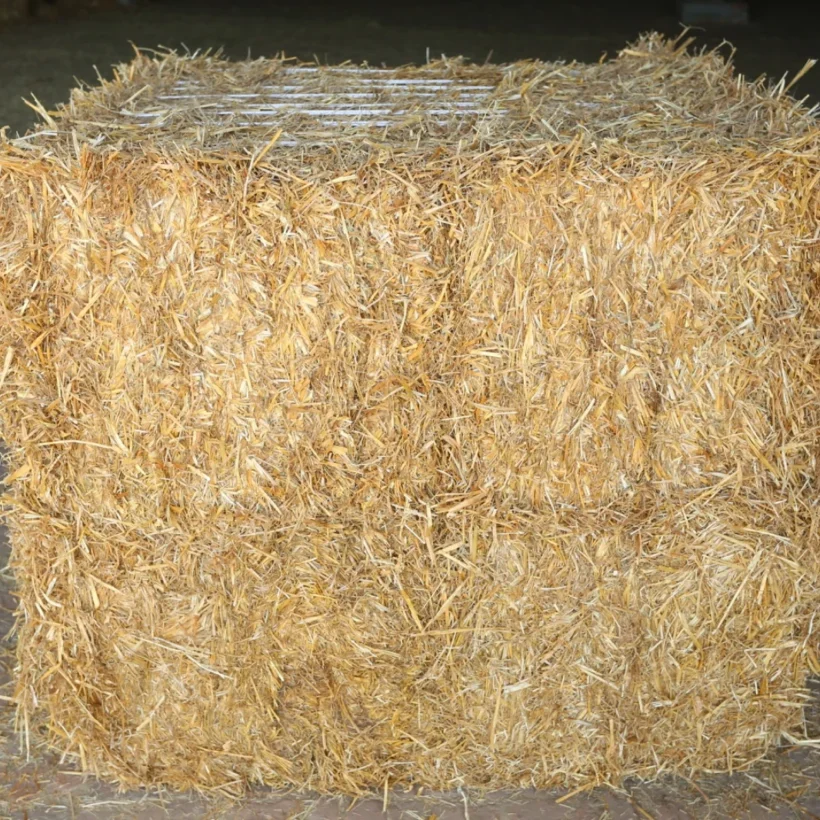
Wheat Hay vs Grass Hay – A Complete & Precise Guide
Overview First, we can say that Wheat hay (cereal hay) and grass hay differ in their function such as usage, Fiber, and nutrient density. Grass hay has less energy and protein for maintenance. Wheat hay has energy and low digestibility compared to other grasses (48%-59%). Wheat hay (a cereal hay) and grass hay differ primarily...
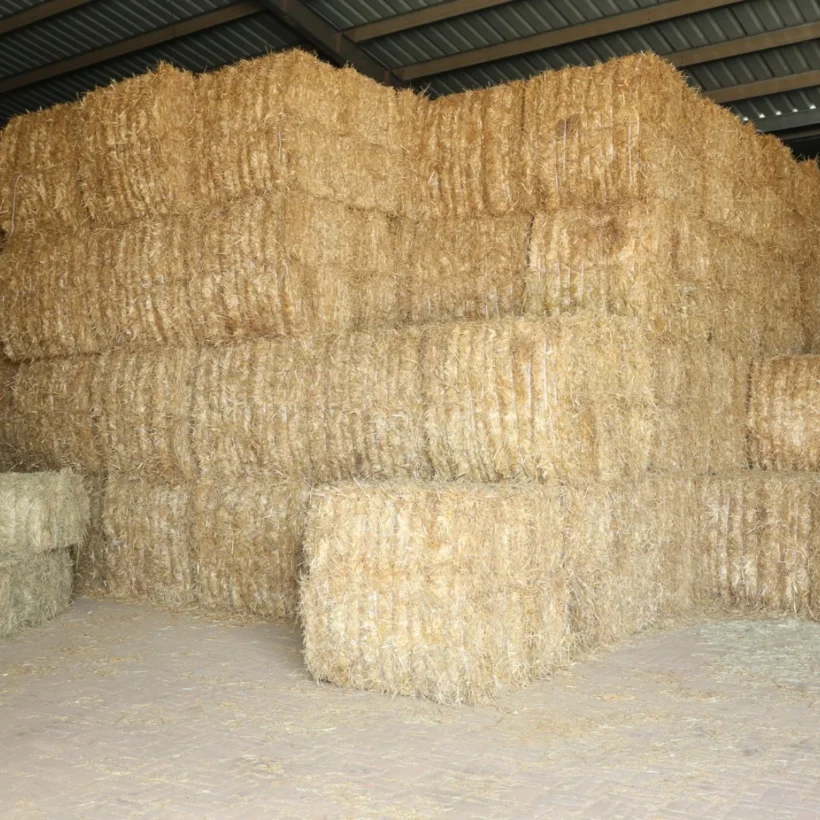
Wheat Straw Calorific Value and Its Importance in Energy Production
Overview Wheat straw is one of the most important agricultural feed items produced all over the world. It is a dry stalk left when grains are separated or harvested from the plant. In some regions, especially in Asian countries and the USA, it is produced in bulk every year. Farmers use wheat straw for soil...

Rice Straw Bales: Uses, Benefits and Storage
Overview Rice straw bales have importance in agricultural products in several rice-producing regions and countries in the world. After harvesting rice grain, a large quantity of straw remains in the field. Farmers should not burn it as they need to collect and compress it in the form of bales for different commercial purposes. Rice straw...
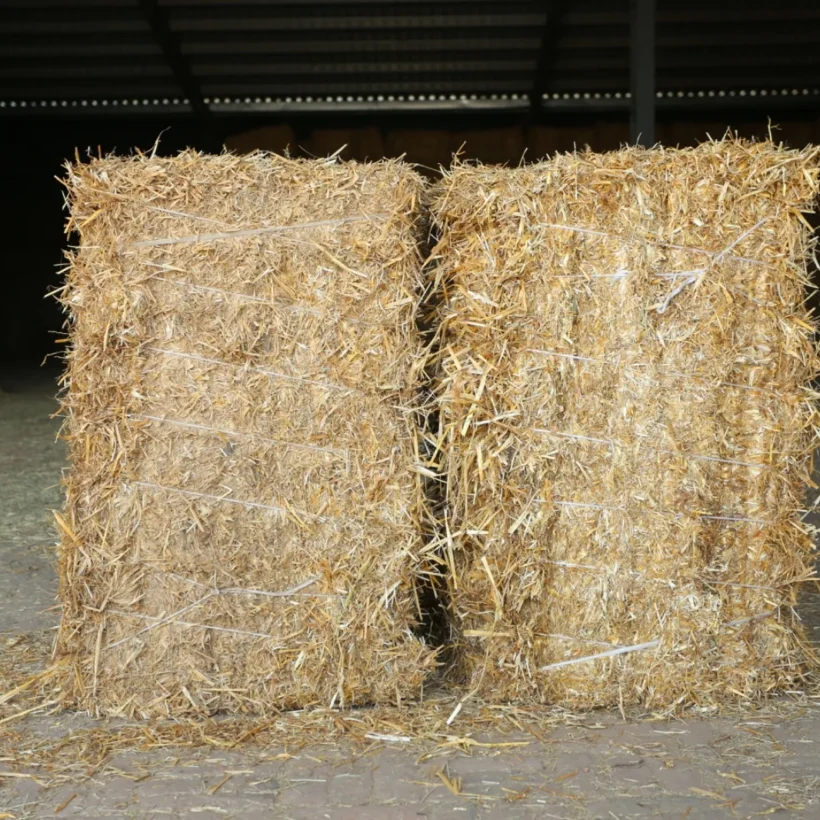
Rice Straw Uses: 100% Reliable Solutions from an Agricultural Byproduct
Overview Rice straw is the dry stalk left after rice is harvested. It is considered waste, but rice straw is an important resource with economic and practical uses. Every year, millions of tons of rice straw are produced worldwide, especially in Pakistan, China, and South Asia, where rice is grown in bulk. Instead of burning...

Rice Straw Nutrient Content: A Complete Guide
Overview Rice straw is a dry stalk that is left after harvesting rice grain. It is the most important agricultural product in countries where rice is produced in bulk, especially in Asia. Rice straw contains important organic and nutrient component that gives various feed benefits like soil fertility, dairy animal feeding, and a sustainable farming...
Rice Straw vs Wheat Straw- Complete Comparison
Overview Crop plays an important role in agriculture, especially in Pakistan, where dairy animal farming is linked with the production of crops. Wheat straw and rice straw are available and widely used materials. Farmers used it for composting, bedding, mulching, animal feed, and even for industrial purposes. However, straw has usability, economic importance, and nutritional...
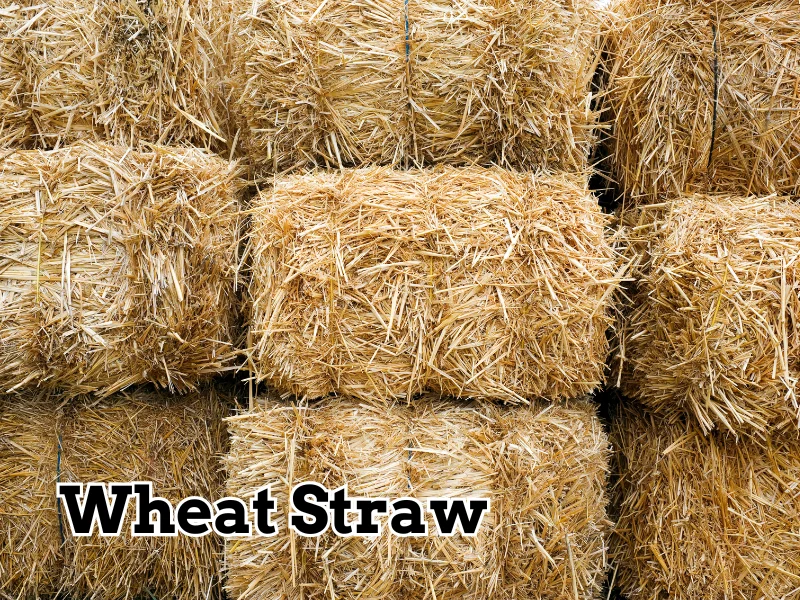
What is Wheat Straw: Definition, Types, and Uses
Wheat straw is a dry stalk that remains after what grain is harvested. If a farmer cuts this crop to collect the grain, the golden stems left behind is called wheat straw. It is a natural agricultural product which is used as animal feeding, farming, construction, bedding, and for industrial purposes. Wheat straw is used...
Wheat Straw Composition: Understanding Nutrients, Fiber, and Agricultural Value
Overview Across the world, farmers grow wheat more than most other crops. “The grain is mostly used for food and industry, but the leftover stalks, known as wheat straw, are also valuable, though often overlooked. Wheat straw is the dry, tough part of the plant that’s left behind after the grain is harvested. Wheat straw...
Wheat Straw Buyers and Their Role in Sustainable Industries
Overview Across the world, farmers grow wheat more than most other crops. Along with grain, farmers also collect a large volume of straw during every harvest. In the past, people thought of wheat straw as farm waste, usually discarded in the fields or burned for quick land clearing. Over the past few decades, new studies,...
Wheat Straw Yield per Acre: Factors, Uses, and Profit Potential for Farmers
Overview Wheat straw was once thought of as just farm waste, usually left in the fields or burned Growing wheat gives farmers not only grain but also a significant amount of leftover straw. For a long time, many farmers saw straw as waste or something difficult to handle. But now, with growing markets and new...
Author

Recent Comments