
OUR BLOG
The point of using Lorem Ipsum is that it has a more-or-less normal distribution of letters, as opposed to using 'Content here, content here', making it look like readable English
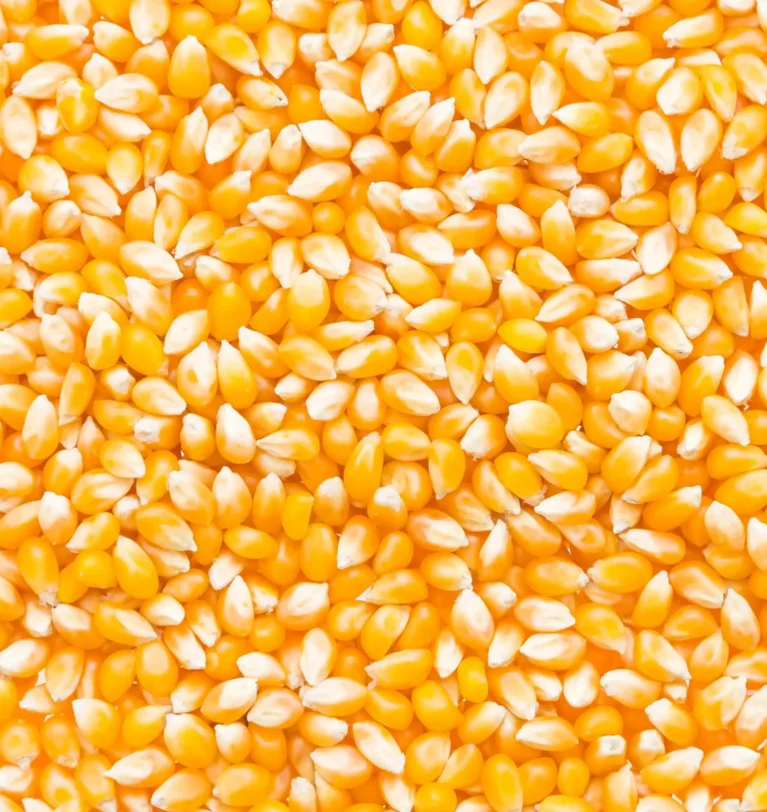
Cereals and Grains / Maize Grain
The Nutritional Value of Maize Grain
Overview Maize is also known as corn, which is most cultivated grains and originated in the Americas thousands of years ago. Maize is a staple food for millions of people…
Read more
Rice Straw / Straw Hay / Wheat Straw
Rice Straw vs Wheat Straw- Complete Comparison
Overview Crop plays an important role in agriculture, especially in Pakistan, where dairy animal farming is linked with the production of crops. Wheat straw and rice straw are available and…
Read more
Corn Silage Nutritional Value- The best Guide 2025
Overview Corn silage is one of the most important feed sources for beef cattle and dairy animals worldwide. It plays a crucial role in dairy animal performance due to its…
Read more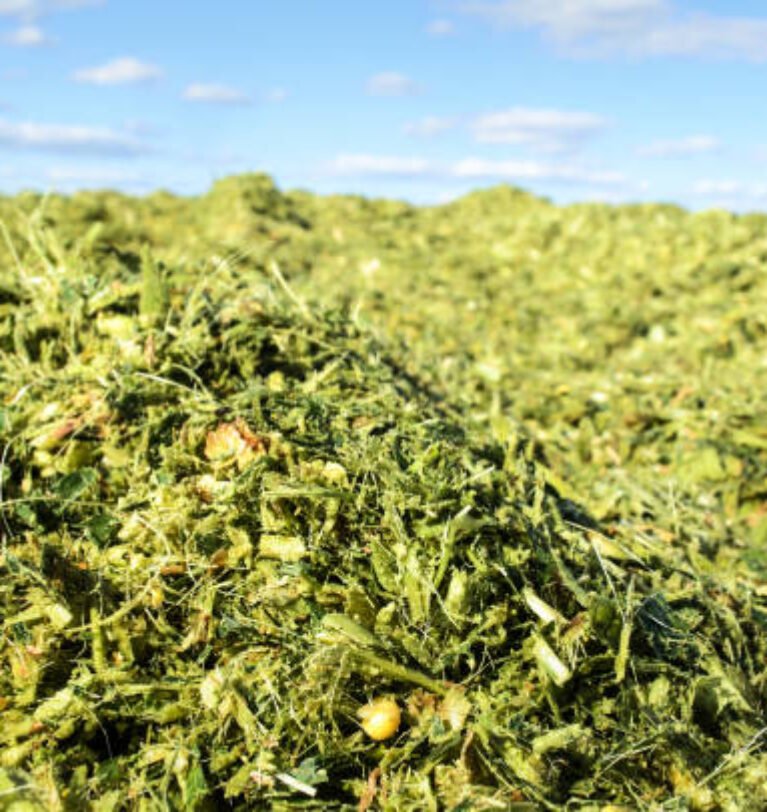
Corn Silage for Cattle: A Complete Feeding Guide
Overview Corn silage is one of effective and popular feeds used for cattle all over the world. It has special importance for beef and dairy animal farmers as it provides…
Read more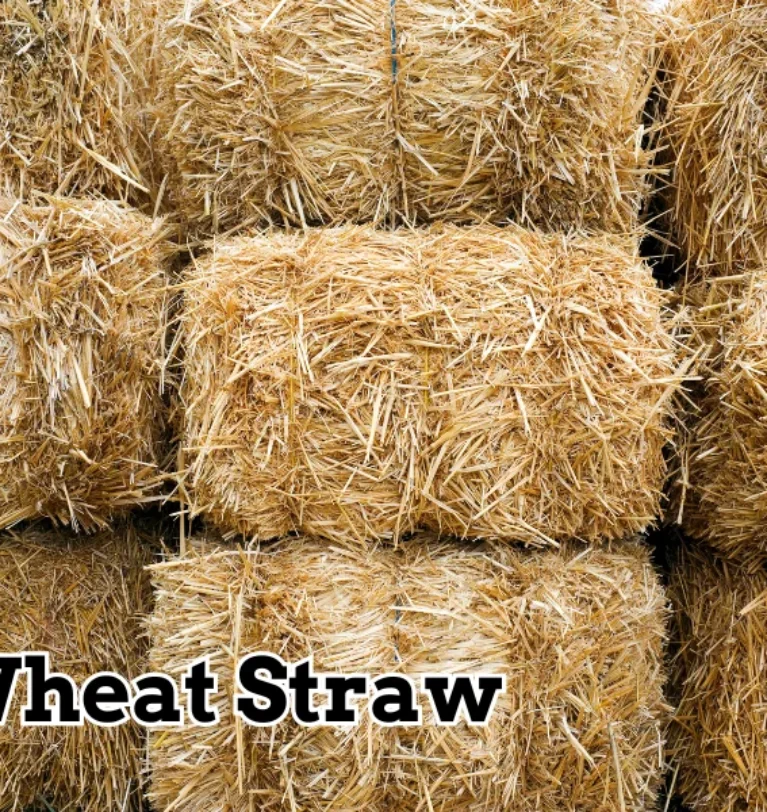
What is Wheat Straw: Definition, Types, and Uses
Wheat straw is a dry stalk that remains after what grain is harvested. If a farmer cuts this crop to collect the grain, the golden stems left behind is called…
Read more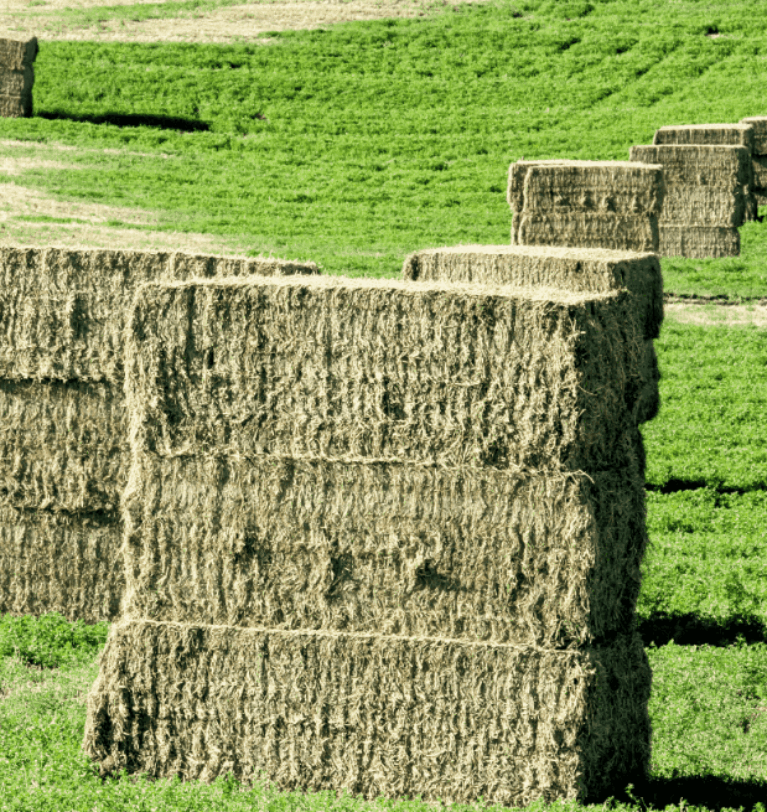
Rhodes Grass Hay Yield Per Acre: A Complete Guide for Farmers
Rhodes grass hay is one of the most popular crops grown for dairy animals in different parts of the world. Farmers choose it due to good nutritional value, fast growth,…
Read moreGET IN TOUCH
Latin words, combined with a handful of model sentence structures, to generate Lorem Ipsum which looks reasonable.
Overview
Maize is also known as corn, which is most cultivated grains and originated in the Americas thousands of years ago. Maize is a staple food for millions of people in Latin America, Asia, and Africa. It is versatile and eaten fresh in processed form like flour, grits, cornmeal- making it an important ingredient in our diet but also in the dairy animal feed industry.
As maize grain provides calories and energy, its nutritional profile has unlimited properties. In this post, we’ll explain how it is important for human health and why it is considered best as a balanced diet. Maize is a rich source of protein, Fiber, and essential micronutrients like iron, zinc, magnesium, vitamins B, and antioxidants (beta-carotene, lutein, zeaxanthin). Its diverse phytochemicals provide multiple benefits, like vision-protective, cardioprotective, and anti-inflammatory. But all depends on the maize variety (white or yellow).
1- Macronutrients in Maize Grain
a) Carbohydrates: The Primary Energy Source
Maize or corn grain is rich in carbohydrates (Starch), which makes up 70-80percent of its dry weight. It is the main form of starch which provides sustainable energy and is easy to digest. Maize is rich in carbohydrates which is an excellent source of fuel for daily activity- specially in regions where Labor is available all the time. It contains a significant amount of protein, fats/oils with sugars, Fibers, and important minerals like potassium and phosphorus. Whole maize contains Fiber and merges with starch, which helps maintain stable blood sugar levels and slows digestion.
b) Protein: Supporting Body Functions
Maize contains 8-12 percent protein, as it is added to animal products or legumes, maize proteins supply important amino acids. However, maize is relatively low in tryptophan and lysine (2 amino acids), which are important for human health. For this reason, populations that depend on maize, as it is paired with peas, beans, and animal proteins.
c) Fat: Small but Significant
It has moderate fat content-usually 3-5% whole grain form. These fats are healthy, including acids like linoleic acid. It supports hormone production, nutrient absorption, fat-soluble vitamins, and cell structure.
2- Fiber: Supporting Digestive Health
One of the strongest nutritional benefits of whole maize grain is its Fiber content-7-10 grams/100 grams. Fiber plays an important role in promoting regular bowel movements, healthy digestion, feeds beneficial gut bacteria, controls blood sugar, and weight management. Refined corn items like degerminated or syrup lose Fiber and make them superior.
3- Vitamins in Maize Grain
Maize has multiple vitamins (water-soluble & fat-soluble) that make it rich in micronutrients.
a) B-Vitamins
Maize is rich in Vitamins b1(Thiamine), Vitamin B3 (Niacin), Vitamin B5(Pantothenic acid), Vitamin B6 (Pyridoxine) and Folate (Vitamin B9). It supports metabolism, neurological health, and energy levels.
b) Vitamin E
It supports the immune system and supports skin health like vitamin E functions.
4- Minerals: Essential Micronutrients
Maize provides multiple minerals for body functioning:
- Magnesium based in nerve and muscle function, bone health, and energy production.
- Phosphorus – important for DNA synthesis and bone structure.
- Potassium – important for fluid balance and heart health.
- Zinc – supports wound healing & immune function.
- Iron – needed for oxygen transport in blood.
Although the levels vary by maize variety and processing method, having whole maize often improves mineral intake compared to refined products.
5- Phytonutrients and Antioxidants
Beyond traditional nutrients, maize has phytonutrients- compounds that provide many health advantages.
a) Carotenoids
Maize is high in carotenoids like Lutein, Zeaxanthin, and Beta-carotene. It is linked and important for eye health to reduce cataracts and macular risk.
b) Phenolic Compounds
These compounds or antioxidants help reduce stress and inflammation in the body. As per a study, diets rich in phenolic antioxidants can decrease the risk of cancer, cardiac arrest, and heart attacks.
6- Glycemic Index and Blood Sugar Response
Maize has a moderate glycaemic Index, which means blood sugar at low rate that indicating snacks or bread. It is perfect or good for managing blood sugar control, so it is good or manageable for metabolic or diabetes especially when combined with fats and proteins.
7- Nutritional Differences by Maize Type
a) Yellow Maize
b) White Maize
c) Blue & Red Maize
d) Sweet Corn
8- Multiple Health Benefits
- Energy & Sustained Fuel
- Digestive Wellness
- Eye Health
- Antioxidant Protection
- Blood Sugar Management
- Bone & Heart Health
9- Maize in Diets Around the World
Maize is central to many traditional cuisines:
- Africa: Ugali, nshima, pap
- Latin America: Tortillas, tamales, arepas
- South Asia: Makki ki roti
- USA & Canada: Cornbread, grits, popcorn
Overview
Crop plays an important role in agriculture, especially in Pakistan, where dairy animal farming is linked with the production of crops. Wheat straw and rice straw are available and widely used materials. Farmers used it for composting, bedding, mulching, animal feed, and even for industrial purposes. However, straw has usability, economic importance, and nutritional value. In this post, we’ll see how it differs to help dairy owners, farmers, and business owners select the right option as per their requirements.
What Is Rice Straw?
Rice straw is a dry stalk left after harvesting grains. It is available in rice-growing regions, especially in China, South Asia, and Southeast Asia. Rice straw is produced in bulk quantities in the harvest season, making it affordable and easy to access. Traditionally, rice straw is used for fuel, mulching, roofing, and bedding. It is easy to digest it so you can consider low-quality feed or any other supplement.
What Is Wheat Straw?
Wheat straw is the leftover stem after wheat grain, which is harvested; it is used in animal feeding systems all over the world as it is high in nutritional value and better palatability compared to rice straw. It is used for sheep, buffalo, goats, and cattle. It is important for bioenergy production, mushroom cultivation, composting, and bedding.
Nutritional Comparison: Rice Straw vs Wheat Straw
When comparing wheat are rice straw with each other then it is important to use. The high silica content makes it less digestible and harder for animals. It can consume when no other feed option is available.
Rice Straw Nutritional Value
- Crude Protein: 2–4%
- Digestibility: Low
- Crude Fiber: Very high
- Silica Content: High (up to 15–20%)
- Energy Value: Low
Wheat Straw Nutritional Value
- Crude Protein: 3–5%
- Crude Fiber: High but manageable
- Digestibility: Moderate
- Silica Content: Lower than rice straw
- Energy Value: Slightly higher
It is easy for animals to digest and chew, making it a suitable option for feeding.
Livestock Feeding Use
Rice straw is used as maintenance feed that helps animals survive, but is unable to fulfill the complete requirements, so used with Ammonia, molasses, urea, chopping or soaking. It will improve the intake and digestive system. Rice straw is suitable when feed is in short supply.
Wheat Straw for Animals
Wheat straw is a regular source for buffaloes, dairy cattle, goats, and sheep. It is used with silage, concentrate feed, or green fodder. It supports animals’ rumen function and intake of feed.
Palatability and Intake
Palatability also affects how animals eat. Ric straw is dusty, sharp, and coarse, which reduces intake, whereas wheat straw is more acceptable, cleaner, and softer to animals. As a result, animals also consume it compared to rice straw, which provides better efficiency.
Bedding and Farm Use
Wheat straw and rice straw are perfect or better materials for bedding.
Rice Straw Bedding
- It is available in bulk in rice-growing regions
- Less soft compared to wheat straw
- Absorbs moisture well
- Breaks down slowly due to silica
Wheat Straw Bedding
- More comfortable and softer for dairy animals.
- Proper insulation in winter or cold weather
- Easier to compost after use
For dairy farms, wheat straw is selected for bedding due to improved cleanliness and a comfortable environment.
Composting and Soil Improvement
Both straws are important, but if we compare them, we should know the difference as they differ in decomposition rate.
- Rice straw decomposes over time due to silica content and high lignin.
- Wheat straw improves organic matter and decomposes faster, and the soil works efficiently.
Wheat straw improves soil structure as it requires complete nutrient imbalance and good management.
Environmental Impact
Severe air pollution is also causing stubble burning, which is especially related to rice and wheat straw.
Rice Straw Environmental Concerns
- Slow decomposition
- High volume production
- Farmers often burn as no alternatives
- Main contributor to smog in almost all regions
Overview
Corn silage is one of the most important feed sources for beef cattle and dairy animals worldwide. It plays a crucial role in dairy animal performance due to its excellent digestibility, consistent quality, and high energy content. When farmers understand the nutritional value of corn silage than they can increase milk, improve animal performance, reduce feeding cost, and increase meat production. In this post, you will see the feeding value, benefits, and nutritional value of corn silage.
What Is Corn Silage & Making Process?
Silage is a preserved green feed that allows it to ferment and maintain its nutritional value. This process is used for long-term preservation, which makes it a perfect choice when regular feed is not available.
- Process of Making Silage – Its production is based on green food and sealing it in an airtight condition, especially in a silo, and initiating anaerobic fermentation. This process converts sugar into feed in the feeder, lactic acid, and preserves its nutritional value for long time.
- Benefits of Silage -Silage is rich in nutrients, offers palatability, and high digestibility for dairy animals, promotes milk production, and weight gain efficiently.
- Nutritional Content of Silage– This fermentation process of silage improves its nutritional value and provides a consistent source of proteins, minerals, and vitamins.
- How is it made? -The entire corn plant is used to prepare corn silag,e including leaves, stalks, and ears, harvested at the right stage and preserved due to the fermentation process with limited resources.
Corn silage is commonly fed to Dairy cows, Beef cattle, buffalo, and Sheep and goats (in limited quantities)
Why Corn Silage Is Nutritionally Important
It is important and valuable due to its excellent palatability, moderate protein level, and high-energy content. It supports:
- Good body condition
- Higher milk yield
- Improved feed efficiency
- Stable animal health
Nutritional Composition of Corn Silage
The nutritional value of corn silage depends on some factors that are common, like variety, growing conditions, ensiling quality, and maturity level. But we have mentioned average values:
1- Dry Matter
- Dry Matter: 30–35% (ideal for harvesting)
- Completely dry matters ensure nutrient preservation and good fermentation.
- Too wet or too dry, both situations are not good, and it can cause nutrient losses and reduce digestibility.
2- Energy Content
Corn silage is an excellent source of metabolizable energy because of its starch content.
It is important to produce fattening beef cattle and high-producing cows.
- Total Digestible Nutrients (TDN): 65–70%
- Net Energy for Lactation (NEL): High
- Starch from corn kernels is an accurate source of energy for microbes for dairy animals.
3- Carbohydrates
It contains both structural and non-structural carbohydrates:
- Starch: 25–35% of dry matter
- Neutral Detergent Fiber (NDF): 38–45%
- Acid Detergent Fiber (ADF): 20–30%
The balance of starch and Fiber supports:
- Accurate and Efficient rumen fermentation process
- Stable milk fat production
- Better feed intake
4- Crude Protein (CP)
- Crude Protein: 7–9% of dry matter
- Corn silage is low to moderate in protein.
- It is used as a supplement with protein sources such as alfalfa hay, canola meal, and soybean meal. However, this protein content is limited, and protein is used for a balanced ratio.
5- Fiber Quality
Fiber in corn silage is highly digestible, especially when harvested at the right stage.
- Good fiber digestibility supports rumination and saliva production.
- Helps prevent digestive problems like acidosis.
- Improves overall feed efficiency.
6- Fat Content
- Crude Fat: 2–4%
- Provides additional energy.
- Fat level is safe and does not negatively affect rumen fermentation.
7- Minerals in Corn Silage
Corn silage contains essential minerals, but levels are often not sufficient to meet animal requirements alone.
Major minerals:
- Calcium: Low
- Phosphorus: Moderate
- Potassium: Moderate to high
Main & Important Minerals:
- Magnesium
- Copper
- Zinc
- Manganese
8- Vitamins
Corn silage provides:
- Vitamin A (from beta-carotene)
- Small amounts of Vitamin E
However, vitamin levels decreased during the storage process, so additional supplements are recommended.
Digestibility of Corn Silage
One of the biggest advantages of corn silage is its high digestibility, it means animals get more nutrients from the same amount of feed.
- Starch digestibility improves in storage
- Corn silage increases the availability of nutrients
- Proper kernel processing improves starch utilization.
Advantages of Corn Silage: The Nutritional Value
- Increases Milk Production
- Improves Weight Gain
- Enhances Feed Intake
- Cost-Effective Feed
- Supports Rumen Health
Factors Affecting Nutritional Value of Corn Silage
Here are mentioned some important factors:
- Harvest maturity (milk line at ½ to ⅔)
- Chop length and kernel processing
- Packing density and air exclusion
- Fermentation quality and storage time
Feeding suggestions
- Corn silage should make up 30–60% of the total ration dry matter.
- Always balance rations for protein, minerals, and vitamins.
- Introduce gradually to avoid digestive upsets.
- Regularly test silage for nutrient analysis.
Overview
Corn silage is one of effective and popular feeds used for cattle all over the world. It has special importance for beef and dairy animal farmers as it provides consistent nutrition, good digestibility, and high energy throughout the year. Corn silage is prepared from the whole corn plant, including leaves, stalks, and grain, harvested at the right stage and preserved through fermentation. In this post, we’ll explain what corn silage is, its advantages for cattle, preparation method, possible storage methods, feed recommendation, and how it is prepared.
What Is Corn Silage?
Corn silage is defined as a kind of fermented feed produced from the whole corn plant, which is used as basic feed for dairy cattle all over the world. Its production is based on an anaerobic fermentation process that converts carbohydrates to acid, which improves nutritional value and palatability. Corn silage provides both Fiber and energy that making it a perfect healthy source for cattle, which is used for heifers, dairy cows, beef cattle, and growing calves. Corn silage is important when fresh pasture is not available.
Nutritional Value of Corn Silage
Corn silage is important because of its high energy content and balanced nutrition. It is rich in starch and provides essential Fiber (NDF/ADF), moderate protein, minerals for dairy animals, varies as per growing conditions, hybrid, and maturity level; however protein level Corn silage is known for its high energy content and balanced nutrition.
Corn silage improves weight gain and milk production in cattle. Its nutrient profile varies as per corn variety, storage methods, and harvesting techniques; however generally have:
- Dry Matter (DM): 30–35%
- Crude Protein: 7–9%
- Energy (TDN): 65–70%
- Neutral Detergent Fiber (NDF): 40–50%
- Starch: 25–35%
- Minerals: Calcium, potassium, phosphorus
Advantages of Corn Silage for Cattle
1- High Energy Feed
Corn silage provides a high level of energy that makes it a perfect option for fast-growing beef cattle and high-producing dairy cows. making it ideal for high-producing dairy cows and fast-growing beef cattle. This content supports muscle development and milk yield.
2- Improves Milk Production
Dairy farmers use corn silage as it improves milk protein level and proper balanced protein supplement. Corn silage provides a consistent supply, improves the digestive system, and produces better-quality milk when managed properly for storage and required fermentation. In dairy farming, corn silage directly changes it into milk production and healthier cows, making it an ideal asset in farming globally.
How Corn Silage Boosts Milk Production:
- High Energy & Starch
- Balanced Nutrition
- Rumen Health
- Consistent Supply
- Improved Quality & Yield
3- Enhances Weight Gain
Corn silage improves and supports weight gain in dairy animals, especially dairy and beef cattle. Its digestibility and high energy content make it an important component in dairy animal feed.
Why & How Corn Silage Promotes Weight Gain
- High Energy Density
- Improved Feed Efficiency
- Digestibility and Rumen Function
- Versatile and Balanced Rations
4- Cost-Effective Feed
It is a highly cost-effective feed for dairy animals and reduces dependency on costly concentrates. It allows farmers to produce in bulk from limited resources or land. It reduces expensive supplements, and storability is available for 2 years, which minimizes waste, supports better meat production, overall farm profitability, and better feed efficiency.
How is it Cost-Effective? Look from the other side
- High Yield & Land Efficiency
- Nutrient Density.
- Perfect & excellent Storage
- Reduced Costs
- Versatility
Factors Influencing Value
- Proper Land Preparation: Need airtight storage, so need correct harvesting, right harvesting, and chopping are important to preserve nutrient value and quality.
- Silage Quality: Low Fiber (NDF/ADF), high-quality dry matter, influenced by hybrid corn and harvesting time.
- Management: Good storage, complete ration balancing, and efficient feed-out that maximizes its economic benefits.
5- Year-Round Availability
Once properly stored, corn silage can be fed throughout the year, ensuring nutrition in both cold and dry seasons.
6- Palatable and Digestible
Cattle consume corn silage due to its taste and pleasant fragrance. The fermentation process improves Fiber digestibility.
How Corn Silage Is Made
1- Harvesting Stage
The ideal time to harvest corn is when the kernels are at the middle stage. Now the plant has nutrient content and optimal moisture.
2- Chopping
The corn plant is chopped into small pieces, generally 1-2 cm long. Proper chopping also improves fermentation and compaction.
3- Filling and Packing
This chopped material is filled into silage bales, pits, bunkers, and soil. It’s packed in an airtight condition.
4- Fermentation
Under anaerobic (air-free) conditions, lactic acid bacteria ferment sugars and preserve the feed. This process takes about 2–3 weeks.
5- Storage
After fermentation, the silage is sealed to prevent air and water entry. Proper sealing ensures long-term quality.
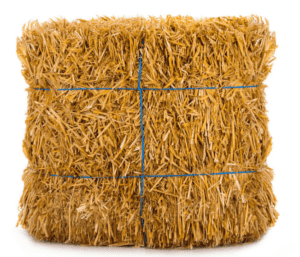
Wheat straw is a dry stalk that remains after what grain is harvested. If a farmer cuts this crop to collect the grain, the golden stems left behind is called wheat straw. It is a natural agricultural product which is used as animal feeding, farming, construction, bedding, and for industrial purposes. Wheat straw is used by humans for millions of years. It plays an important role in sustainable farming, dairy animal management, and agriculture.
How Wheat Straw is Produced
It comes from the wheat plant (Triticum aestivum and other species). This plant consists of 3 main parts- Grain, Leaves & stem(straw). A wheat plant has three main parts.
- Grain is used to make pasta, flour, and bread.
- Leaves –a component of a plant used in growth.
- Stem (Straw) – a long, stalk that supports the grain
Once harvesting ends, farmers separate the straw with the help of harvesters, then it is dried, baled, and stored for different purposes. It is golden or light yellow in colour and has a dry texture.
Physical Characteristics of Wheat Straw
It is used for supportive and practical purposes. It has multiple features that make it important in some industries mentioned below:
- Lightweight – Easy to handle it and its transportation
- Dry and fibrous – low moisture content
- Hollow stems – provide insulation and softness
- Low nutritional value – compared to hay or silage
- High Fiber content – mainly cellulose and lignin
What are the uses of Wheat Straw
1- Animal Bedding
It’s one common purpose is to use as bedding for dairy animals like:
- Cattle
- Horses
- Sheep
- Goats
- Poultry
Wheat straw also provides a warm, dry, and soft surface for them as it absorbs moisture and helps them feel comfortable and clean. It is more affordable compared to wood shavings or sawdust.
2- Animal Feed (Limited Use)
Wheat straw is used as roughage for animals, especially when no alternate feed is available. It is mixed with other feed supplements like grains, molasses, and protein supplements. Treated wheat straw improves health value in Pakistan:
- Low digestibility
- Low protein content
- High Fiber
3- Mulching in Agriculture
Wheat straw decomposes and adds organic matter to soil. It is also used as cover crop for many important crops. Wheat straw can add organic matter to the soil and improve fertility and soil structure. It helps:
- Retain soil moisture
- Prevent soil erosion
- Reduce weed growth
- Improve soil health
4- Compost and Organic Fertilizer
Wheat straw is the best material for composting if mixed with animal manure, then creates a healthy diet that is used to improve soil quality naturally.
5- Construction and Insulation
Wheat straw is used in modern and traditional construction purposes. Straw bale is used to build eco-friendly houses as they offer low cost, sustainability, and good insulation. Straw bale is environmentally friendly and energy efficient, which makes it an important part of the material in construction.
6- Industrial Uses
Wheat straw is used in several industrie,s like mushroom farming, packaging material, paper production, and biofuel.
Nutritional Composition of Wheat Straw
Wheat straw is important for animal health and Fiber. It is based on:
- Cellulose – about 35–40%
- Hemicellulose – around 20–25%
- Lignin – about 15–20%
- Crude protein – very low (2–4%)
Wheat Straw vs Wheat Hay
You can compare wheat straw & wheat hay, as some people confuse:
| Feature | Wheat Straw | Wheat Hay |
| Harvest time | After grain harvest | Before grain formation |
| Nutritional value | Very low | High |
| Use | Bedding, mulch, roughage | Animal feed |
| Texture | Hard, dry | Softer, greener |
Environmental Benefits of Wheat Straw
You should not burn wheat straw, as this causes pollution; instead, reuse or utilize it to prevent waste. It plays an important role in the sustainable agricultural sector, like:
- Reduces agricultural waste
- Prevents open field burning
- Improves soil organic matter
- Supports renewable energy production
Storage of Wheat Straw
It must be stored in dry places, and then it is protected from moisture and rain. It is packed tightly to conserve space, which also helps keep pests away. It means you need to keep it in a dry, covered, elevated, and pest-free environment so that no loss of quality in any case. Our objective is to control moisture.
Rhodes grass hay is one of the most popular crops grown for dairy animals in different parts of the world. Farmers choose it due to good nutritional value, fast growth, drought tolerance, and high yield per acre. if you are growing hay for horses, goats, sheep, cattle, or for export purposes, then Rhodes grass hay is vital for profitability and planning. In this post, we’ll explain how much Rhodes grass hay you want to use per acre, major factors, and how you can increase production.
What Is Rhodes Grass Hay?
Rhodes grass (Chloris gayana) is a grown in the summer season for grazing and hay. It performs well in both tropical and subtropical climates. It is cultivated in all parts of the Middle East, Australia, Pakistan, and Africa.
This grass is valued because it grows quickly, tolerates drought, survives repeated cutting, and produces good-quality hay.
Average Rhodes Grass Hay Yield Per Acre
Average Rhodes grass hay is about 3-4 tons/acre in Pakistan; however, it can reach 10-16 tons dry matter hay with good irrigation, multiple cuts, and good management, and 150 to 300 bales per acre.
The yield of Rhodes grass hay per acre depends on soil quality, climate, irrigation, and practical management. On average:
- Dry hay yield per acre (annually): 6 to 10 tons per acre
- Per cutting yield:1.5 to 3 tons per acre
- Number of cuttings per year:3 to 6 cuttings
Yield in Different Conditions
1- Rainfed Areas
In areas dependent only on rainfall, where yield is 4-6 tons per acre annually, but cutting is twice or thrice in a year.
2- Irrigated Areas
With proper irrigation yield is 8-12 tons per year multiple cuttings in a year.
3- Poor Soil or Low Management
If soil fertility is low or management is poor, then yield can drop to 3-4 tons per acre.
Factors Affecting Rhodes Grass Hay Yield Per Acre
1- Climate
Rhodes grass grows best in summer, or you can say in warm temperatures (25–35°C) because it requires high sunlight, and a frost-free environment.
2- Soil Quality
Best soils for high production or yield are loam soil with a pH in the range of 5.5 -7.5as poor drainage can reduce production.
3- Seed Rate and Variety
Plant density is improved due to high-quality certified seed, and its rate is 3 to 5 kg per acre. Its improved variety can produce higher hay output and thicker stands.
4- Irrigation Management
Water plays a major role in yield as the first irrigation is critical after sowing, regular irrigation is good for growth and avoid waterlogging.
5- Fertilizer Application
Recommended nutrients:
- Nitrogen (N): Boosts leaf growth
- Phosphorus (P): Strengthens roots
- Potassium (K): Improves drought resistance
6- Cutting Time
Harvest time affects quality and yield.
- First cut: 60–70 days after sowing
- Next cuts: Every 30–40 days
Annual Yield Breakdown Per Acre
Cutting Number Average Yield (Tons/Acre)
1st Cutting 2.5 – 3.0
2nd Cutting 2.0 – 2.5
3rd Cutting 1.5 – 2.0
4th Cutting 1.5 – 2.0
Total Annual Yield 7 – 10 Tons
Steps to Increase Rhodes Grass Hay Yield Per Acre
1- Land Preparation
- Deep ploughing improves root development
- Level land helps even water distribution
2- Timely Irrigation
- Light but frequent irrigation is better than heavy watering
- Avoid drought stress during early growth
3- Use Nitrogen Fertilizer
- Apply nitrogen after each cutting
- This increases leaf growth and green matter
4- Weed Control
Weeds compete for nutrients and water.
- Control weeds in early stages
- Clean fields improve yield by 15–20%
5- Proper Harvesting
- Cut at early flowering stage
- Avoid cutting too close to the ground
- Leave stubble for quick regrowth
Rhodes Grass Hay Yield vs Other Forage Crops
Crop Average Yield (Tons/Acre)
- Rhodes Grass 6 – 10
- Alfalfa 5 – 8
- Bermuda Grass 4 – 7
- Sudan Grass 4 – 6
Rhodes grass offers better yield stability in hot and dry conditions.
Economic Benefits of High Yield
It means lower cost/ton of hay, more export quality hay, higher farm profit, and better dairy animal farming. Farmers grow it specially for the export market or commercial hat production. Rhodes grass is a reliable and profitable feed crop. Farmers expect 6-10 tons of hay per acre annually with good fertilizers and an irrigation system.