
OUR BLOG
The point of using Lorem Ipsum is that it has a more-or-less normal distribution of letters, as opposed to using 'Content here, content here', making it look like readable English
Cereals and Grains / Rice Grain
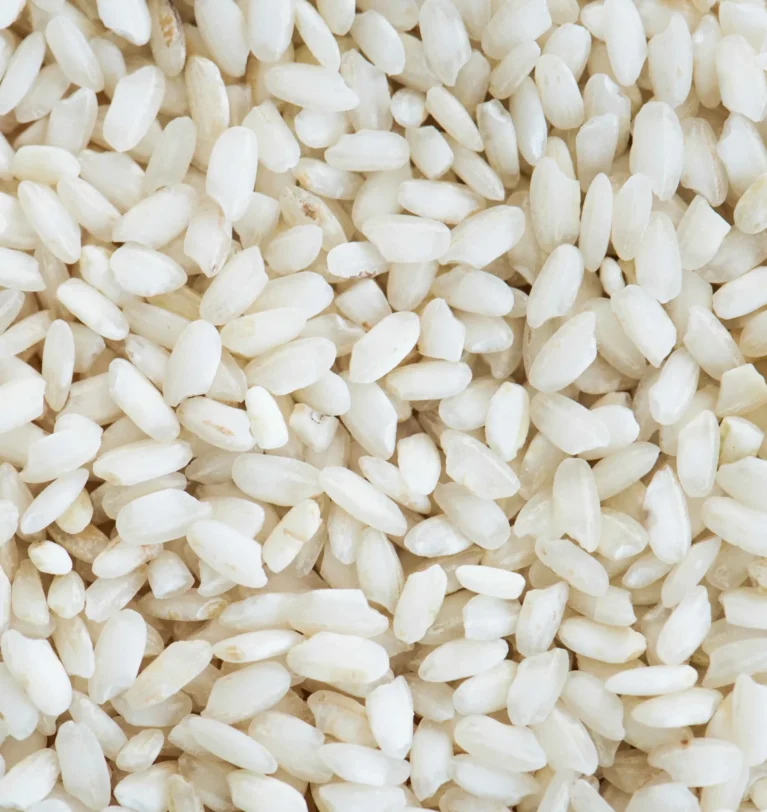
How Rice Grains Made? From Seed to Harvest
Rice is one of the most important stable foods in the world, feeding billions of people daily. It is important to have food for lunch in daily life. Every grain…
Read more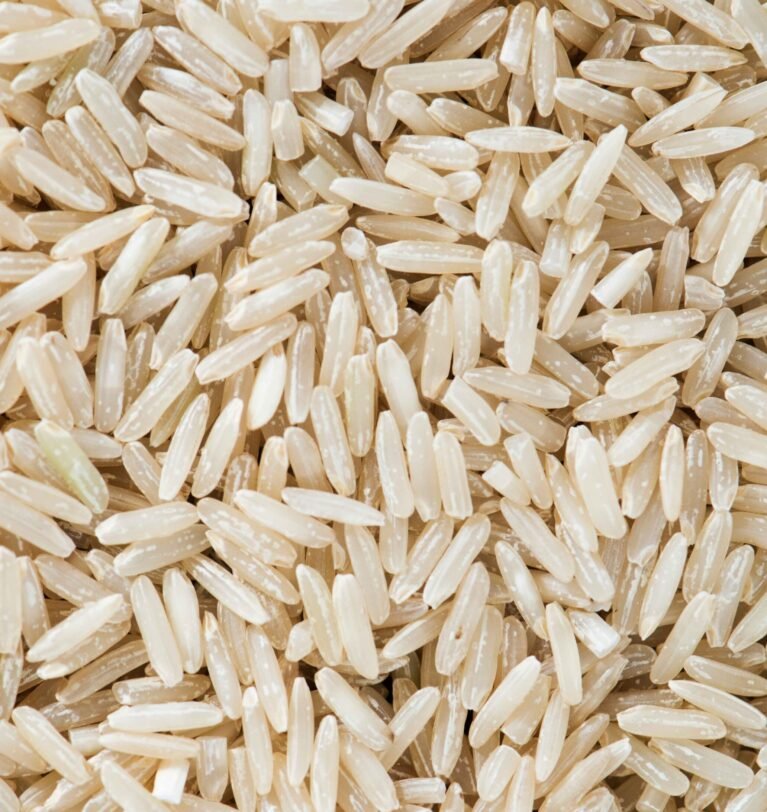
Cereals and Grains / Rice Grain
What Is Rice Grain? Full Guide of World’s Most Essential Staple Food
Overview Rice grain is one of the most widely consumed and important food crops in the world of food products. It is a basic food source for more than half…
Read more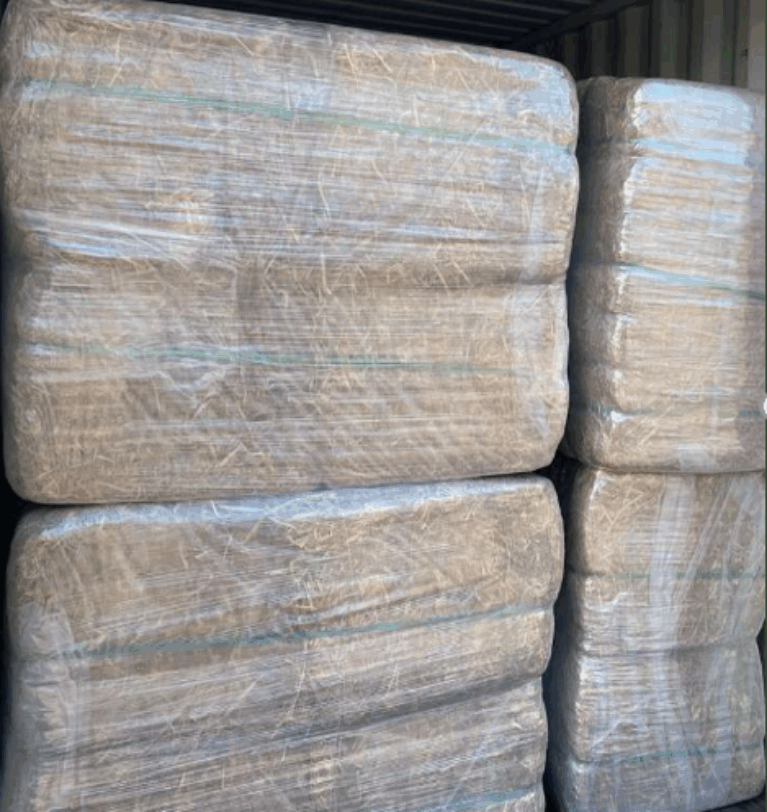
Rice Straw Bales: Uses, Benefits and Storage
Overview Rice straw bales have importance in agricultural products in several rice-producing regions and countries in the world. After harvesting rice grain, a large quantity of straw remains in the…
Read more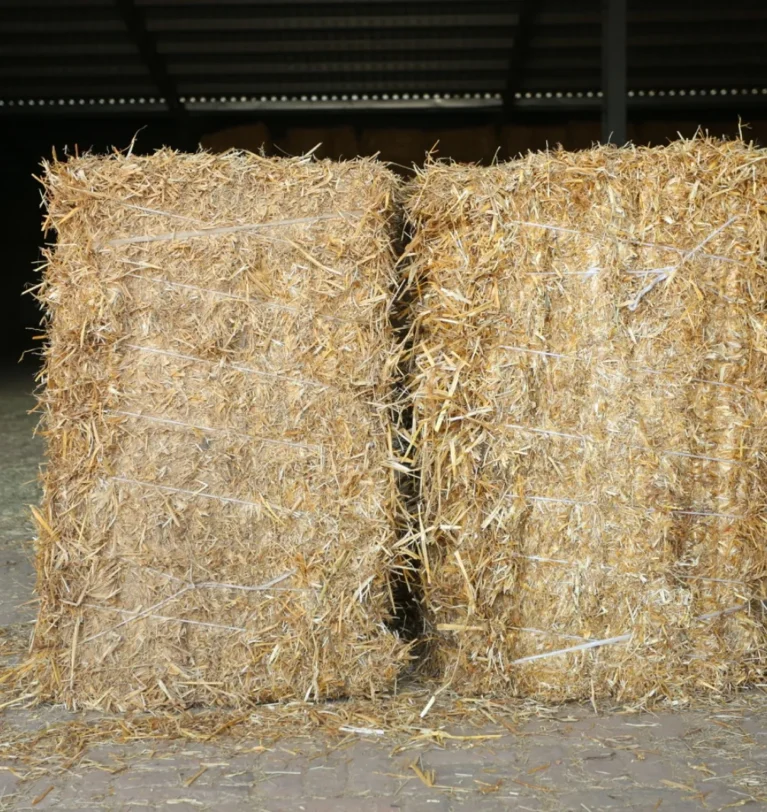
Rice Straw Uses: 100% Reliable Solutions from an Agricultural Byproduct
Overview Rice straw is the dry stalk left after rice is harvested. It is considered waste, but rice straw is an important resource with economic and practical uses. Every year,…
Read more
Rice Straw Nutrient Content: A Complete Guide
Overview Rice straw is a dry stalk that is left after harvesting rice grain. It is the most important agricultural product in countries where rice is produced in bulk, especially…
Read moreGET IN TOUCH
Latin words, combined with a handful of model sentence structures, to generate Lorem Ipsum which looks reasonable.
Rice is one of the most important stable foods in the world, feeding billions of people daily. It is important to have food for lunch in daily life. Every grain has a perfect and fascinating journey, whether it is steaming white rice, sticky rice, or basmati rice used in traditional dishes.
In this blog post, we’ll explain the complete life cycle – from planting the seeds to harvesting and processing as a final grain.
1- Initial Stage: Planting the Rice Seed
First, you must know that rice grain comes from a plant called Oruza sativa (scientific name). The method begins with rice seeds. Farmers prepare land with water and plow the soil, which creates a muddy field, which is called paddling. It is grown in all Asian countries in flooded fields. Here, farmers use high quality of seeds for planting. Seeds are soaked for 24 hours to initiate sprouting. Seeds are planted with the help of drilling or broadcasting from a nursery (1 to 2 inches deep in puddled soil)
Key Steps for Planting Rice Seeds
- Seed Preparation: soaked 24 hours to initiate sprouting
- Land Preparation: In this step, the level of soil is important like soil must be levelled thoroughly.
- Planting Methods:
- Direct Seeding (Broadcasting/Drilling): 60-80 kg of seeds are used per hectare
- Transplanting: It is grown in a nursery first, then moved to the main field that request 40 kg per hectare.
- Depth and Spacing: It is stored in 2-3 cm for transparent seedlings and 15-25 cm in hilly areas.
- Water Management: Once planting is done, the shallow water level of 5-10 cm. It requires draining in the field for 9 days for better germination.
2- Germination: The Seed Sprouts
In the germination process, once rice seeds absorb water, they will start germinating. After some days, a small root grows downward into the soil and grows upward towards sunlight. Its ideal temperature is 20 to 35 degrees.
3- Vegetative Growth: Building the Plant
After germination, the rice plant enters the growth stage:
- Leaves grow longer and stronger.
- The stem thickens.
- The root system expands.
This stage can last several weeks. Farmers ensure proper irrigation and sometimes apply fertilizers to provide nitrogen, phosphorus, and potassium — essential nutrients for plant development.
Flooded fields help suppress weeds and protect the rice plant from certain pests. Rice is unique because it can grow well in standing water, unlike most other crops.
4- Reproductive Stage: Formation of the Panicle
The most important stage in how rice grains are made is the reproductive phase.
At this stage, the plant begins forming a structure called a panicle — a cluster of tiny flowers that will eventually become rice grains. The panicle emerges from the top of the plant stem.
Each small flower on the panicle has the potential to develop into a single rice grain. This is when pollination occurs. Rice plants are mostly self-pollinating, meaning the pollen from a flower fertilizes the same flower. After fertilization, the flower begins transforming into a grain.
5- Grain Filling: How the Rice Grain Forms
After pollination, the real magic begins.
Inside each fertilized flower:
- The ovary develops into the rice grain.
- Starch accumulates inside the grain.
- The grain grows in size and hardens.
The plant uses sunlight, water, and nutrients from the soil to produce carbohydrates through photosynthesis. These carbohydrates are transported to the developing grains, where they are stored mainly as starch.
This is known as the grain filling stage.
At first, the grain is soft and green. Over time, it becomes firm and turns golden as it matures.
6- Maturity and Harvesting
Rice grains are ready for harvest when:
- The plant turns yellow or golden.
- The grains become hard.
- Moisture content drops to an appropriate level.
Farmers then drain the water from the paddies to allow the fields to dry. Harvesting can be done manually using sickles or mechanically using harvesters.
The harvested rice at this stage is called paddy rice or rough rice. Each grain is still covered by a protective outer husk.
7- Processing: From Paddy to Edible Rice
After harvesting, rice grains go through several processing steps before reaching consumers.
(a) Threshing
The harvested plants are beaten or processed to separate the grains from the stalks.
(b) Drying
The grains are dried to reduce moisture and prevent spoilage.
(c) Milling
Milling removes the outer layers of the grain:
- Husk removal → Produces brown rice.
- Bran layer removal → Produces white rice.
- Polishing (optional) → Makes rice shiny and smooth.
8- Structure of a Rice Grain
Its structure is based on:
- Husk (Hull) – The outer protective covering.
- Bran Layer – Rich in fiber and nutrients.
- Endosperm – The starchy inner part (what we mostly eat).
- Germ – The embryo that can grow into a new plant.
9- Environmental Factors That Affect Rice Formation
Several factors are involved for development of rice grains:
- Water availability
- Temperature
- Soil fertility
- Sunlight
- Pest and disease control
10- Rural areas vs Modern Rice Production
- Improved seed varieties
- Mechanized planting and harvesting
- Advanced irrigation systems
- Scientific fertilizer management
Overview
Rice grain is one of the most widely consumed and important food crops in the world of food products. It is a basic food source for more than half of the global population. Rice plays an important role in daily meals from the USA to Europe, Asia to Africa, in cultural traditions, and in exports. However, being a farmer, exporter, and consumer, we should know what exactly rice grain is? Everything you should know about rice grain-let’s explore in this post.
The Origin of Rice Grain
Rice grain originates from the plant called Oryza giaberrima, is grown in parts of West Africa. Rice cultivation is in process from thousand of years. There is another species, Oryza glaberrima, which is grown in West Africa. Evidence and history show that it is cultivated and domesticated in Asia, especially in region of China and Pakistan. It spread throughout Asia before reaching to other regions. With time it is implemented in other countries by adapting different climates.
Early cultivation spread throughout Asia before reaching other continents.
- Origin Location: Its basic origin is in China- Yangtze River.
- Time: It was discovered in South Korea, 15000 years ago
- Domestication Process: In the initial stage, humans gathered wild rice and selected the grains (for easier harvesting).
- Major Varieties: It is available in 2 main category like long grain and short grain which is originated in China and the Indus Valley.
- Other Origins: it is originated 3000 years ago in West Africa. The rice spread from China to yellow river valley, Japan, Korea, and South Asia, becoming the Asian civilization.
What is Rice Grain?
In simple words, it is a seed of a rice plant. A rice grain is the seed of the rice plant. For example, cereal grains like corn, rice, and wheat belong to the grass family. Every type is based on multiple layers, including hull (husk), bran layer, Germ and Endosperm. Some steps or methods are applied on these layers, like husk is protected cover that is removed in the milling process. The outer layer is rich in minerals, vitamins, and Fiber. The germ has nutrients and healthy fats. The main portion of grains has carbohydrates.
Types of Rice Grain
Rice grain is available in 3 categories: long, short grain, and medium grain. Rice grains are categorized based on their size, texture, aroma, and processing method. The three main types based on grain length are:
Key Classifications & Varieties
- Long-Grain: Slender-3 to 4 times longer and wide. You can say it is high amylose, which means it remains fluffy and separate after cooking.
- Medium-Grain: More tender, sticky, wider but shorter than medium grain.
- Short-Grain: Round in shape, very sticky, and plump.
Other varieties are brown rice, red rice, wild rice, and black rice.
Brown Rice vs. White Rice
Brown rice variety is healthier than white rice, it has magnesium, more Fibre and other nutrients. Its glyceric index is lower then than that of brown rice and good for blood sugar. White rice is faster cooking, enriched with nutrients, and processed. Brown rice is rich in Fiber.
Nutritional Value of Rice Grain
Rice grain is primarily a source of carbohydrates, which provide energy for the body. It also contains:
- Small amounts of protein
- Minimal fat
- Essential vitamins such as B vitamins
- Minerals like magnesium and iron (especially in brown rice)
How Rice Is Grown
Rice cultivation is unique compared to other grains. It is typically grown in flooded fields known as paddies. The water helps control weeds and pests while providing the ideal environment for growth.
The main stages of rice production include:
- Land preparation
- Seeds
- Irrigation and growth
- Harvesting
- Milling and processing
Economic & Cultural Importance of Rice
It is a major part of agricultural commodity it means it is not only a staple food. It supports thousands of farmers, and local people contribute to the economy of producing countries. It is exported to worldwide destinations from Pakistan in bulk. In many countries, it is part of the daily lunch.
Uses and purpose
- Rice bran oil is extracted from the bran layer.
- Rice husk is used as fuel or animal feed.
- Rice flour is used in baking and gluten-free products.
- Broken rice is used in processed foods and brewing.
Problems & Challenges in production
- Climate change is affecting rainfall patterns
- Water scarcity
- Pest and disease outbreaks
- Rising production costs
Rice GrainOverview
Rice is one of the most important food staples in the world. China is one of the largest consumers of rice in the world. Along with whole rice, broken rice grain has importance in the food processing of China. The broken rice grains are important in the industrial sector, brewing, and animal feed.
Saremco Agri Commodities have signed an official registration, which is an important registration for exporters to find long-term access in the Chinese market.
In this post, you will be able to explore broken rice export to China and the role of our registration, market demand, quality standards, and future growth opportunities.
Analysis of Broken Rice Grain
Broken rice grains are fractured during the milling process and are visually different from whole grain, but it has same nutritional value, essential minerals, protein, and carbohydrates. It is used in different industries because of its versatility and affordability.
In China, broken rice is commonly used for noodles, starch production, rice flour, fermentation industry, dairy animal, poultry feed, and bio-products. In large-scale industry or food processing operations, it has special value.
Importance of the Chinese Market
China’s huge industrial base and massive population demand for import of agricultural items. China is major rice producer and fulfills the import demands. While China is a major rice producer and used in domestic production. For exporters, China defines a long-term and high-volume market with strong buying power.
Main reasons China imports broken rice like:
- Continuous and regular supply for food processing industries or factories.
- Cost-effective compared to whole rice.
- It is used in starch-based and ethanol industries.
- Demand from the aquaculture and dairy animal sector.
Registration with the Chinese Government (more…)
Overview
Rice straw bales have importance in agricultural products in several rice-producing regions and countries in the world. After harvesting rice grain, a large quantity of straw remains in the field. Farmers should not burn it as they need to collect and compress it in the form of bales for different commercial purposes. Rice straw bales support mushroom cultivation, dairy animal feed, eco-friendly building, and biomass energy production. In this blog, we have covered points related to rice straw bales, advantages, applications, and growing market needs.
What is Rice Straw Bale?
After harvesting of rice, the straw remains in the field, which is tightly compressed in the form of bundles. It is collected with the help pf baling machines which compresses it into rounds or a rectangular shape. This bale is easy to handle, transport, and store. It depends on customer needs and tools or equipment. An average bale is available from 15kg to 30kg in size, as an industrial bale weighs 400 kg. Its shape improves storage efficiency and reduces transportation costs.
Importance of Rice Straw Baling
Rice farming produces millions of tons every year. In the past, farmers burned this straw to clean the field, which also caused nutrient loss and air pollution. Baling rice straw provides an eco-friendly option to convert agricultural waste into an important resource. This will create opportunities in rural areas through harvesting, processing, and transportation activities.
Uses of Rice Straw Bales
Rice straw bales are a versatile agricultural product that is used for gardening and dairy animal feed. It is good for sustainable gardening, like soil amendments, mulching, and raised beds. It is also used in building materials, fuel, industrial uses, and paper production. It is effective for water retention, weed suppression, and composting.
Rice straw bale is used in different major industries because it is affordable and versatile.
1- Livestock Feed and Bedding
Rice straw is used as roughage for sheep, goats, buffalo, and cattle. However, it has less protein content compared to other feed items. It has a low level of protein but still provides Fibre that is good for the digestive system. It is also mixed with molasses, urea or other feed items. Also, rice straw is a good and ideal material for bedding of dairy animals. It will help in maintaining dairy animal housing, their comfort, and managing a clean place.
2- Mushroom Cultivation
Mushroom cultivation is based on different methods or involves growing fungi by an appropriate medium like straw, compost, wood, and chips. It will follow conditions like temperature, humidity, and light to trigger fruiting. It is based on culturing spawn, preparing, and includes fruiting through environmental changes such as fresh air and humidity. Rice straw is a perfect growing medium for farming specially for oyster mushrooms. Its structure allows moisture retention, proper airflow, and promotes healthy mushroom growth. Mushroom growers choose it because it is not costly, easy to obtain, and biodegradable.
3- Biomass Energy Production
Biomass energy production can generate fuels, electricity, and heat from organic plants. It is ideal for biomass energy production with multiple methods like pyrolysis, gasification, anaerobic digestion, and providing fuels by recycling carbon with a proper ecosystem. It also depends on proper management and sourcing.
4- Organic Mulching
Organic mulching is a practice that covers soil with biodegradable material like straw, leaves, compost, wood chips- this will add organic matter and improve soil structure. It will also improve crop productivity and reduce the requirements of chemicals. The issue is resolved with fertilizers. Common material has grass clipping, needles, pine, sawdust, and bark, which are best applied in 3 layers.
5- Eco-Friendly Construction
Eco-friendly construction is completed with environmentally friendly, cost-effective, and energy efficient to manage building materials. Green construction or eco-friendly uses the latest techniques to increase lifespan. It will minimize consumption, increase renewable energy, with improved air quality, and reduce utility costs. It is done with recycled, bamboo, and timber materials. \
Advantages of Rice Straw Bales
It has several advantages for industrialists, farmers, and exporters.
- Environmental Benefits
- Economic Benefits
- Easy Storage and Transportation
- Versatile Applications
Quality Standards
- Low moisture content to prevent mold growth
- Clean straw without mud or stones
- Uniform bale size and tight compression
- Free from pests and foreign materials
- Proper dryness and golden color
Overview
Rice straw is the dry stalk left after rice is harvested. It is considered waste, but rice straw is an important resource with economic and practical uses. Every year, millions of tons of rice straw are produced worldwide, especially in Pakistan, China, and South Asia, where rice is grown in bulk. Instead of burning or discarding it, industries, agricultural companies, and farmers are now searching for eco-friendly and innovative methods to use rice straw. In this post, we have explored the major uses of rice straw, and it contributes to rural development and the agricultural sector.
Animal Feed and Livestock Bedding
Optimal dairy animal management depends on high-quality bedding for health and comfort; it is also paired with other feed to maximize production. Common bedding includes straw, shavings, sand, and popular feedstuffs like corn silage and hay. Dry, effective, and clean bedding also reduces diseases, which is important for energy for pigs, poultry, and cattle.
It is most common in dairy animal farming for buffalo, sheep, and goats. However, it is also important to support the digestive system of animals. Farmers also mix it with fermentation, molasses, and urea for the improvement of nutrient content. It becomes more beneficial and palatable for animals. Rice straw is used as animal bedding, and it provides a dry and soft surface that absorbs moisture, helping maintain hygiene in sheds and barns.
Mushroom Cultivation
Rice straw is a sustainable substrate and an excellent choice for cultivating edible mushrooms that contain Oyster and paddy mushrooms, which are made by utilizing rice harvesting. This process is based on soaking, layering, and pasteurizing, a 7-15 day incubation period in high temperatures (30-35 degrees centigrade) and humidity (80-90%). Rice straw is an excellent medium for mushroom farming, especially varieties like straw mushrooms, and organic composition supports growth. Farmers create perfect conditions for mushroom production. It will add value to the agricultural sector because farmers can create an income source for rural and small farmers and entrepreneurs.
Organic Fertilizer and Soil Improvement
Organic fertilizers like bone meal, compost, and manure improve soil fertility by improving structure, supporting beneficial microbial activity, and boosting water retention. It is added with an organic matter that improves soil fertility. It will reduce dependency on expensive fertilizers and promote farming practices.
Rice straw mulching is another common method that spreads all over the surface. Farmers should reduce growth, regulate soil temperature, and protect crops from erosion.
Bioenergy and Renewable Fuel
Bioenergy is also an important energy source, which is derived from organic matter like waste, plants, approximate 55% of global energy is renewable. It is converted into electricity and heat.
It includes crops like corn, sugarcane, and waste from households, agriculture, and forestry. It includes biodiesel and ethanol for transport. It is based on biofuels Liquid gas, and biopower, solid gas. It is a lower-carbon fuel option, dispatchable, and versatile. Ruce straw is critical for net-zero goals, and is used in transportation and the industrial sector in Brazil, the US, and China.
There are 2 technologies used in this process, one is thermochemical conversion and biochemical conversion, which convert biomass into fuel and organic matter with microorganisms.
Paper and Packaging Industry
Rice straw is widely used as a raw material in the paper and packaging industry. It contains cellulose Fibers that can be processed into pulp for making paper, cardboard, and eco-friendly packaging materials.
Straw-based paper production reduces the need for wood pulp, helping to protect forests and minimize deforestation. Many companies now use rice straw to produce biodegradable packaging, disposable plates, and food containers as part of green manufacturing initiatives.
Construction and Building Materials
The rice straw paper and packaging industry converts agricultural waste into biodegradable and agricultural alternatives to wood, paper, and plastic. It also creates air pollution when burning crops. It is also used for paper, melded and food trays. Rice straw is popular in the construction field due to its eco-friendly and insulation properties. Compressed rice straw bale is also used in building walls for sustainable housing or low-cost.
Straw-based panels or boards are also manufactured for use in partitions, ceilings, and furniture. It has good sound absorption, energy efficiency, and insulation. In rural areas, rice straw is used in mud house reinforcement, wall insulation, and roofing.
Handicrafts and Traditional Products
Traditional products and handicrafts are created by hand, reflecting cultural heritage with techniques like wood carving, pottery, weaving, and metal work.
Overview
Rice straw is a dry stalk that is left after harvesting rice grain. It is the most important agricultural product in countries where rice is produced in bulk, especially in Asia. Rice straw contains important organic and nutrient component that gives various feed benefits like soil fertility, dairy animal feeding, and a sustainable farming system. Know about rice straw that helps agricultural business, and farmers make better use of resources that reduces environmental impact.
In this post, we have explored the nutritional composition of rice straw with its limitations, Fiber content, and mineral profile to improve agricultural and feeding value. Let’s explore its uses, benefits, and much more information with us.
Basic Composition of Rice Straw
Rice straw is one of the important agricultural products that is composed of lignin and carbohydrates, which contains:
- Dry Matter (DM): 85–90%
- Organic Matter: 80–85%
- Moisture Content: 10–15%
This ratio makes it a perfect choice for storage and transport. However, its natural nutritional density is less then silage or any other fresh green feed.
Fiber Content in Rice Straw
Rice straw is rich in Fiber, 30% hemicellulose, 36-40% cellulose, and 15% lignin with high Fiber content that is suitable for feed applications, industrial, and biofuel purposes. Its main role is to improve the digestive system.
Crude Fiber
Rice straw has 30-40% crude Fiber that provides bulk for goats, sheep, and cattle. It supports the digestive system and improves digestibility.
Neutral Detergent Fiber (NDF)
NDF levels vary from 60-75% shows total cell wall content. High NDS is essential for the digestive system.
Acid Detergent Fiber (ADF)
It measures the digestive plant components like lignin and cellulose- you can evaluate energy intake and feed quality. A lower ADF value shows high energy and feed quality. It shows energy and intake in the mature stage that reduces digestibility. It is important to calculate digestible nutrients and net energy.
Main points of ADF:
- Represents the fiber fraction consisting of cellulose, lignin, and silica, which remain after treatment with an acid detergent solution.
- It is inversely related to digestibility; high-quality, digestible forages have low ADF, while low-quality, poor-energy feeds have high ADF.
- Used to determine energy values (TDN, NE) for dairy and beef cattle diets.
- When mixed with other items, alfalfa generally has 30-35% ADF, while high-fiber, low-quality feeds like straw can exceed 50%.
Protein Content of Rice Straw
Main points related to the protein content of rice straw:
- Average Crude Protein: Approx. 4.2% (range 2–7%) on a Dry Matter basis.
- Digestible Protein: Very low, often only a trace amount
- Limiting Factors: High levels of neutral detergent fiber (NDF: 69-72%) and lignin hinder digestibility.
- Improvement Methods: Treatment with urea will increase the nitrogen/protein level and improve nutritional value.
- Nutritional Comparison: When compared to feed hay like alfalfa, which covers 10% protein.
- Crude Protein: 2–5%
Energy Value of Rice Straw
Rice straw is considered the best energy source that varies from 1.6 to 2 Mcal per kg of dry matter. Due to high silica content, energy digestibility is limited. It can maintain animals in the dry season. It will support rapid weight gain and high milk yield, and can be combined with different products like molasses, grains, or maize silage.
Mineral Content in Rice Straw
- Potassium (K): 1.0–2.5%
It will support the metabolism and potassium, and is especially rich in potassium, making it an important organic part or material. - Calcium (Ca): 0.2–0.5%
You know it is important for milk production and bone development. - Phosphorus (P): 0.05–0.15%
Phosphorus content is low in quantity and needs supplementation for dairy animal feed. - Magnesium (Mg): 0.1–0.3%
Magnesium supports metabolic processes and enzyme functions.
Trace Minerals
- Iron
- Zinc
- Manganese
- Copper
Health Benefits
Although rice straw is low in protein and energy, it still plays an important role in animal feeding systems. It is cost-effective and a rich source for cattle, goats, and sheep.
- Roughage Source
- Feed Availability During Dry Seasons
- Affordable Feed options
Improving Nutrient Value of Rice Straw
- Urea Treatment
- Ammonia Treatment
- Chopping and Grinding
- Mixing with Supplements
Rice straw reflects both limitations and strengths as it is rich in organic matter, potassium, and Fiber. It is low in energy and protein. With proper management, supplementation, and treatment, rice straw became an important resource for soil management.