
OUR BLOG
The point of using Lorem Ipsum is that it has a more-or-less normal distribution of letters, as opposed to using 'Content here, content here', making it look like readable English
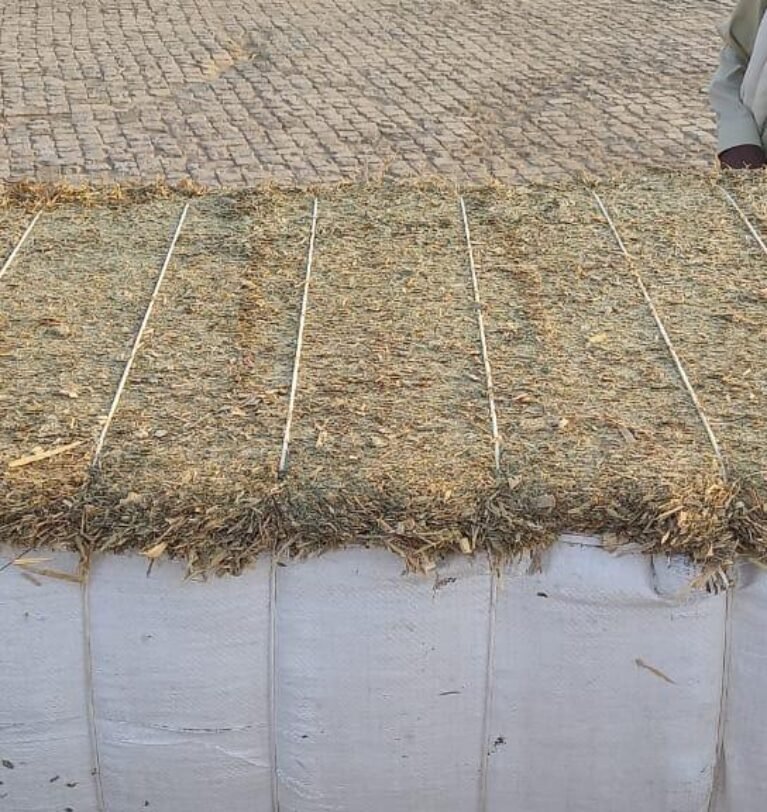
Maize Silage Export from Pakistan
Overview The agricultural sector has always been the backbone of Pakistan’s economy; however, in recent years, the focus has shifted from traditional crops to value-added products that can yield higher…
Read more
Maize Silage for Livestock in Pakistan – Step by Step Guide
Overview Maize silage provides a nutritious feed for beef and dairy animals, especially during feed shortages. Dairy farming is an important part of Pakistan’s agriculture, contributing to meat, milk, and…
Read more
The Growing Role of Maize Silage in Pakistan’s Dairy Sector
Overview Dairy animals play a crucial role in the agricultural sector by providing milk, meat, and draft power for rural households. Managing a steady supply of fodder throughout the year…
Read moreGET IN TOUCH
Latin words, combined with a handful of model sentence structures, to generate Lorem Ipsum which looks reasonable.
Maize silage provides healthy feed and a continuous supply for animal farming. However, fluctuating fodder rates, seasonal shortages, and unpredictable weather make it difficult for farmers to meet their animals’ needs. Maize silage is the best option to meet the challenges. By harvesting the maize plant at the right stage and preserving it through fermentation, farmers create a high-energy feed that maintains its quality for a long time (at least 18–20 months). In this post, we will discuss different uses of maize silage that support meat, and milk uses or its overall health of livestock.
1.Primary Feed for Dairy Cattle
The major role or use of maize silage is as a daily ration for dairy cows. Dairy animals need consistent energy to produce milk and maintain body condition. Maize silage is rich in starch, which provides enough energy. It is also mixed with alfalfa or soybean meal to produce a balanced diet. If farmers regularly feed silage, they will face no seasonal variations in milk, which is a key factor in generating income from dairy farms.
2. Enhancing Beef Cattle Growth
Beef producers also depend on maize silage. Fattening and growing cattle demand high-energy feed to develop carcass quality and gain weight. Maize silage is mixed with protein-rich supplements, accelerates growth, and improves meat yield. It helps farmers reduce the time and cost. It is important feed for both small- and large-scale production of beef.
3. Consistent Year-Round Feed Supply
A regular and major challenge in animal farming is the irregular availability of green feed. In almost all regions, seasonal crops are available only for a few months, leaving animals without feed, especially in dry weather. This inconsistency increases feeding costs, reduces milk production, and affects animal health.
Maize silage offers a reliable solution by ensuring a steady feed supply throughout the year. When farmers prepare silage, they can store it safely in bags, pits, or silos for some months without losing its nutritional value. This stored silage helps to remove the gaps in months of feed shortage.
4. Reducing Feed Wastage
Fresh feed suffers losses from airtight storage, transportation, and feeding. Silage is prepared and stored properly for several months. Fresh fodder suffers losses during transport, storage, and feeding. Reduced wastage improves efficiency and lowers the cost of animal feeding. If farmers have limited resources, then it is not possible to manage farm expenses.
5. Use in Balanced Rations
Dairy animals use maize silage as a main or basic ingredient in total mixed rations. Because it is high in energy but low in protein to manage the complete feed. The flexibility of maize silage makes it suitable for different categories of animals—from lactating cows and heifers to beef bulls. This ability to integrate into various feed plans adds to its value in modern livestock farming.
6. Supporting Animal Health
Silage not only supports a regular feed supply, but it is also healthy for animals. It provides consistent energy intake, no stress of feeding, and improved animal health and productivity. Maize silage is more digestible, which means animals can digest it without any strain on their digestive system. Healthy animals perform better in growth, reproduction, and milk production.
7. Role in Sustainable Farming
Maize silage plays a positive role in sustainability in agriculture. Silage reduces dependency on lowering cost, imported concentrates, and supporting local agriculture.
8. Emergency Feed Reserve
Stored silage is like an emergency fund. It works well if unpredictable conditions such as market disruption or natural disasters like floods or droughts occur.
9. Economic Benefits for Farmers
By reducing feed cost, it will boost the economy and support better growth. Maize silage is key in the contribution of the economy. Silage is also an additional source of income for farmers.
10. Smallholder Farmer Advantage
Maize is not only for large-scale operations; it is also beneficial for small-scale farmers. They can work at a small level and can generate income.
11. A versatile animal in daily farming
Maize silage is produced for cattle, but it is also good for other animals like goats, buffaloes, and sheep with proper adjustment. All the above properties make it versatile. Whether a large or small setup, it is used for different purposes and improves productivity for better results.
Overview
The agricultural sector has always been the backbone of Pakistan’s economy; however, in recent years, the focus has shifted from traditional crops to value-added products that can yield higher returns in the global market.
One such emerging opportunity is maize silage, which holds strong potential as an export commodity. Due to stable climates, the growing demand for animal feed in Central Asia and the Middle East provides Pakistan with a competitive edge.
Processing maize into quality silage increases its value, ensures feed availability year-round, and creates opportunities for Pakistani farmers and agribusinesses to access international markets. In this article, we’ll examine the strengths, rationale, challenges, and practical steps required to increase exports of maize silage from Pakistan.
Why Maize Silage?
Maize silage is a preserved livestock feed produced by fermenting the whole maize plant, including the kernels, stalks, and leaves. Farmers can also use the raw material of the crop, but if they harvest at the right phase, chop it into small pieces and pack it tightly in air bags for a natural fermentation process.
This process makes it a rich source of feed for buffalo, cattle, and other nutrients. Silage is stored for several months without losing its nutrient quality.
The advantages of maize silage are important for beef and dairy farmers, as their animals need Fiber and energy for growth, milk production, and overall health. With maize silage, farmers are less dependent on seasonal fodder since it helps bridge feed shortages. Maize silage encourages animals to eat more because it is tasty and easy to digest.
Competitive advantages Pakistan can build on
- Favourable Agro-climatic zones: In Sindh and Punjab regions with reliable irrigation and fertile soils, produce high maize yields. Harvesting the crop at the right moisture level and processing it without delay results in silage that ferments well and maintains quality.”
- Existing maize production base: Maize is one of the main cereals grown in Pakistan, used both for grain and as fodder. Expanding silage production builds on the country’s existing supply networks, seed availability, and farmers’ experience.
- Low Labor costs: Low Labor costs and Pakistan’s closeness to Middle Eastern and Central Asian countries provide transport benefits.
- Business Opportunities for contract farming and agribusiness integration: Enterprises or Private firms can coordinate production, processing, and export logistics through contracting and outgrower schemes— enabling consistent supply and reducing quality variability.
Market Demand and Target Buyers
When natural feed is scarce, the demand for maize silage for animals grows. Many countries depend on imported feed for their animals, such as Qatar, the UAE, and Saudi Arabia. The growing demand presents a valuable opportunity for Pakistan to provide high-quality silage at competitive rates.
The target buyers of silage are feedlot operations, commercial dairy farms, and organizations that need high-quality feed whole year.
Pakistan has earned the trust of buyers by meeting their expectations, offering silage that is well-fermented, properly packed, and free from spoilage.
By establishing itself as a reliable supplier and forming long-term agreements with dairy processors, feed companies, and government-supported livestock programs abroad, Pakistan can ensure steady demand and enhance its role in the international dairy animal feed market.
Quality and standards: Making Pakistani Silage Export-Ready
Achieving success in exports relies on maintaining uniform and high-quality products. Important factors to consider are the dry matter content, pH level, absence of harmful mycotoxins, and proper hygienic packaging. To meet buyer expectations:
- Harvest at correct maturity and chop length
- Ensure rapid ensiling and airtight storage
- Regular Lab Test for contaminants:
- Use suitable packaging for transport
Logistics and value-chain considerations
Practical measures include:
- Local processing hubs with all facilities.
- Efficient inland transport
- Economies of scale
- Cold chain alternatives
- Regulatory and trade barriers
Risks and challenges
- Quality variability
- Storage and spoilage losses
- Competition
- Infrastructure constraints
- Finance and working capital
- Pilot projects with aggregator partners
- Invest in training and extension
- Set up quality-control labs and traceability
- Engage government and trade bodies
- Focus on branding
Overview
Maize silage provides a nutritious feed for beef and dairy animals, especially during feed shortages. Dairy farming is an important part of Pakistan’s agriculture, contributing to meat, milk, and rural livelihoods. This process starts with the selection of disease-resistant maize varieties that are suitable for local conditions. Harvest the crop at the right stage when kernels are rich in starch and have enough moisture for fermentation.
Chop the plant into small pieces and then pack it tightly into plastic-wrapped bales, bunkers, or silos to remove air. Once the process is complete, feed the silage daily, along with supplements, to provide cost-effective nutrition and solve fodder shortages for livestock.
In this article, we explain the step-by-step process of making high-quality maize silage. This guide helps farmers provide a continuous feed supply for dairy animals while optimizing their feed resources
Step 1: Selection of Crop
The first step in producing high-quality maize silage is the selection of the right crop. Choosing the proper maize variety ensures good nutritional content, high yield, and effective fermentation. In Pakistan, hybrid and dent-type maize varieties are widely preferred as they produce have high starch content and huge amounts of biomass, which increases the energy value of the silage.
Key factors to consider:
- Variety: Dent-type or Hybrid maize varieties are ideal as they produce more biomass and have higher starch content.
- Adaptability: The chosen variety should match climate conditions and local soil to ensure healthy growth.
- Disease resistance: Choosing disease-resistant varieties reduces crop loss and helps maintain consistent quality.
- Nutrient potential: Choose crops that offer a good balance of carbohydrates, Fiber, and moisture to produce high-quality silage.
Step 2: Determining the Harvesting Stage
The harvesting phase is a very critical step in producing high-quality maize. If the plant has enough moisture, it will produce high-energy silage; however, harvesting too late can result in dry, less fermentable material.
Guidelines:
- Avoid harvesting too early- As immature maize has lower starch content and may result in poor fermentation.
- Avoid harvesting too late- As dry plants are harder to chop, pack, and ferment.
- Add the whole plant—stalks, stems and, leaves for nutritional value and maximize biomass.
Step 3: Chopping the Maize
After harvesting, the maize plants should be chopped into small pieces to prepare them for fermentation and storage. Proper chopping is important to generate high quality silage.
Key points for chopping:
- Size of pieces: Chop the maize into 1–2 cm long uniform pieces.
- Equipment: Large-scale farms use heavy machinery such as choppers, while small-scale farmers do it manually.
- Complete plant usage: Use the entire plant—including stalks, leaves, and ears—to boost the silage’s nutrient content and energy value.
- Ease of feeding: It reduces wastage, improves digestion, supports animal health, and saves Labor costs.
Chopping process:
- Cut the maize into 1–2 cm long pieces.
- Use mechanical choppers for large-scale farms, or manual methods for smaller farms.
- Unifor sizes or properly chopped silage is easier for animals to consume and digest.
Step 4: Packing the Silage
Packing is a more critical step after chopping. Proper packing removes air from silage and creates an anaerobic environment that is important for successful fermentation. Without this step, nutrients will be lost.”
Packing tips:
- Use silos, bunkers, or plastic-wrapped bales for storage.
- Pack the material as tightly as possible to remove air.
- Make even layers
- Use plastic sheets to cover this packed maize silage
Step 5: Ensiling & Fermentation
When properly packed and sealed, the maize undergoes natural fermentation. Here:
- Lactic acid bacteria convert sugars into lactic acid.
- The pH drops, preserving the feed
- Takes 3–6 weeks, depends on temperature and moisture content.
Step 6: Storage
If maintained properly, then silage is stored for 12-18 months.
Storage tips
- Keep silage sealed in airtight containers, silos, or plastic-wrapped bales.
- Prevent exposure to sunlight, rain, or air
Step 7: Feeding and Uses
Maize silage is fed as a primary or supplementary feed; however, it depends on the livestock and their nutritional needs.
Feeding tips:
- Offer silage daily in controlled amounts
- Combine silage with protein-rich supplements, minerals, or concentrates for a balanced diet.
- Monitor animal intake and health.
Benefits of Maize Silage
- Year-round fodder supply.
- High energy and digestibility
- Efficient land use
- Cost-effective
- Improved animal health
Challenges and Considerations
Some challenges need attention:
- Initial investment.
- Technical know-how
- Moisture management.
- Supplementation
Overview
Dairy animals play a crucial role in the agricultural sector by providing milk, meat, and draft power for rural households. Managing a steady supply of fodder throughout the year is one of the biggest challenges farmers faces. Shrinking agricultural land, limited green fodder, and seasonal variations make it difficult to meet the nutritional needs of dairy animals. In this scenario, maize silage has proved to be the right solution, offering both storage convenience and nutritional benefits.
This article discusses the production, benefits, and challenges of maize silage in Pakistan and explains its role in modern livestock management.
What is Maize Silage?
Maize silage is a type of animal feed made by fermenting plants under airtight conditions. It is harvested at the dough stage, finely chopped into small pieces, and stored in wrapped bales, bunkers, or silos for the natural fermentation process to occur. This method keeps it fresh for many months.
Silage made from maize is rich in energy, starch, and digestible Fiber, making it an excellent feed option during specific seasons. However, it can be stored and used throughout the year. Because of its availability, maize silage has become an important part of modern animal farming in Pakistan and many other countries.
Farmers must store maize silage without loss of nutritional value. It is rich in digestible Fiber, energy and palatability. During extreme summer and winter, when feed shortages occur, stored maize silage ensures a steady supply of fodder, which makes it valuable and increasingly popular in Pakistan.
Importance of Maize Silage in Pakistan
Dairy animals are the backbone of the agricultural sector of Pakistan, contributing a major share to meat, milk, and rural livelihoods. The importance of maize silage in Pakistan is seen in multiple ways.
- Year-round feed supply: Traditional food crops like oats, sorghum, and berseem are seasonal and can’t provide continuous nutrition. Silage helps provide animals with good feed all year round.
- Support for the dairy sector: Pakistan is one of the top milk-producing countries in the world, but the yield per animal remains low. Silage offers animals more energy and digestible nutrients, which helps improve both milk production and quality.
- Efficient land use: Since farmers have limited land, they grow maize once, store it as silage, and use it as animal feed for the whole year, ensuring better use of their resources.
- Adoption in modern farming: On large dairy farms in Punjab and Sindh, farmers already grow maize and make silage a regular part of their feeding system. They set an example for medium- and small-scale farmers to follow.
- Reduced dependency on market fodder (commercial farming): By preparing and storing silage, farmers can avoid the high cost of buying fodder during feed shortage seasons.
Maize Silage Production in Pakistan
1- Selection of Crop
The first and most important step in silage making is the right choice of crop.
Farmers should pay attention to the following factors when choosing a crop for silage.:
- Variety of maize (Hybrid and dent-type maize varieties)
- Adaptability
- Disease resistance
- Maturity stage
2- Harvesting Stage
The harvesting time or stage is most critical factor in producing maize silage. I
- Determine the right harvest time
- Cut the entire plant
- Chop the plant
- Transport immediately
- Pack tightly
- Cover and seal
3- Chopping and Packing
Chopping Stage
- Cut into small pieces, typically 1–2 cm in length.
- Silage is more palatable and digestible for animals.
- Choppers or mechanical shredders are used for large-scale operations & Manual in small or medium-level farms
Packing Stage
- Move it to the storage site immediately after chopping.
- Tightly packed into silos, bunkers, or plastic-wrapped bales to remove as much air as possible.
- Proper packing is essential to create an anaerobic environment
4- Storage and Use
Storage:
Maize silage can be stored in silos, bunkers, or plastic-wrapped bales for 16-18 months. Farmers must ensure that the silage is tightly packed and well-sealed.
Use:
- Beef Cattle Feed
- Sheep and Goat Feed
- Year-Round Fodder Supply
- Cost-Effective Feeding
- Balanced Diet
- Supports Large-Scale Farming
Nutritional Value of Maize Silage
- High energy content
- Moderate protein
- Palatability
- Digestibility
Benefits of Maize Silage for Farmers
- Year-round availability of feed
- Reduced feed costs
- Improved milk and meat production
- Labor efficiency
- Waste reduction
Adoption of Maize Silage in Pakistan
It was adopted by only commercial and large dairy farms. Now, due to technology, small and low-level farmers are also aware of its growth or development process. Some key trends include:
- Silage entrepreneurs
- Government and NGO initiatives
- Awareness through training
Prospects of Maize Silage in Pakistan
- Silage cooperatives:
- Improved hybrids
- Commercialization
- Integration with feedlots
- Export potential
Overview
Across the world, farmers grow wheat more than most other crops. “The grain is mostly used for food and industry, but the leftover stalks, known as wheat straw, are also valuable, though often overlooked. Wheat straw is the dry, tough part of the plant that’s left behind after the grain is harvested.
Wheat straw is a dry and fibrous material left after harvesting grains. It’s essential for farmers to comprehend the different industrial, environmental, and agricultural uses of wheat straw. It has value and is recognized in the agricultural field.
Physical Characteristics of Wheat Straw
Wheat straw is light in weight and has a yellowish colour. It has a rough texture and is full of Fiber, which converts it into a rigid structure. The stalks usually grow between 70 and 100 cm long, depending on the type of wheat and how it was grown. The wheat straw’s structure is based on 3 parts: the vascular bundles (transport nutrients), the epidermis (outermost protective layer), and the pith (central soft tissues).
Nutrient Composition
Wheat straw is clearly full of nutrients, and it’s not just used for grain. It has many useful parts that make it valuable for animals and soil. Its nutrient composition has lignin, Fiber, hemicellulose, cellulose, and minerals.
Fiber Content
Fiber is the main part of wheat straw, making up around 35–45% of its dry weight. This high Fiber content makes it bulky and improves the structure of soil. But since animals can’t digest fiber well, it only helps them in part. Fiber is essential for ruminant animals, such as sheep and cattle, because it prevents digestive disorders.
Lignin
Legnin is also very important part of wheat straw and present in range from 10-15%. It provides strength to the plant as it is a complex organic polymer. Its decomposition is slow as it returns to the soil and is beneficial for long-term soil fertility.
Cellulose and Hemicellulose
Hemicellulose contributes 20-25 percent and Cellulose makes up 30–40% of wheat straw. This carbohydrate forms the structural framework of the plant and are slowly digestible by ruminant animals.
Minerals
However, wheat straw is not rich in nitrogen and has a small amount of minerals like magnesium, calcium, and potassium. During the decomposition, these minerals release slowly and help to maintain soil fertility. Potassium plays an important in water regulation and plant growth.
Agricultural Value of Wheat Straw
Wheat straw is useful resource. Farmers spread it in their fields to improve soil health. As it decomposes, straw enhances soil structure, boosts water retention, and slowly adds nutrients like nitrogen, phosphorus, and potassium back into the ground. It works well as a mulch to suppress weeds, protect soil from erosion, and moderate temperature. Wheat straw is used to improve structure of soil and reduce erosion.
Soil Health Improvement
Wheat straw protects the soil from sunlight and reducing moisture loss. It is full of Fiber that promote drainage activity and improve soil aeration. As microbes break down the straw, nutrients are released into the soil and makes wheat straw an excellent resource for sustainable farming practices.
Dairy Animals Feed
Farmer can mix supplements like adding urea to improve nutritional value. It is important for proper digestive system as rich protein is balanced with nutrient for proper functioning of cattle, goats, and sheep.
Bedding Material
Besides helping the soil and serving as animal feed, wheat straw is also a cozy and absorbent bedding material for livestock. Its absorbent nature keeps animal housing clean and dry. When straw bedding is 100% managed then it keeps the housing dry and clean, helps reduce the spread of disease and supporting better animal care.
Industrial Uses
Beyond farming, wheat straw is now also valued for its growing industrial uses. Its fibrous composition makes it perfect for paper production, biofuel generation, and biodegradable packaging.
Paper and Fiberboard
It is flexible and strong, make it accurate choice for raw material of fiberboard and paper production. It would reduce dependency on wood, promotes eco-friendly making practice and support forest conversation.
Biofuel Production
It can also be used for combustion (burning to produce heat or power) or gasification (turning into syngas for energy production). Its high cellulose and hemicellulose content make it an efficient feedstock for biofuel. It contributes to renewable energy initiatives and reduces fossil fuel dependency.
Biodegradable Products
As people look for greener alternatives to plastics, wheat straw is being turned into compostable cups, plates, and packaging. Its composition allows it to be molded into durable, eco-friendly products that naturally decompose, reducing environmental pollution.
Overview
Across the world, farmers grow wheat more than most other crops. Along with grain, farmers also collect a large volume of straw during every harvest. In the past, people thought of wheat straw as farm waste, usually discarded in the fields or burned for quick land clearing.
Over the past few decades, new studies, technology, and the move toward sustainable products have turned wheat straw into something more valuable than a simple by-product. Today, wheat straw serves as a resource with increasing demand across different sectors.
Wheat straw buyers—whether companies, traders, or manufacturers—stand at the heart of this change, viewing straw as an opportunity instead of waste. Their role is important because they connect farmers with the industries that rely on this resource.
This article explains who the buyers are, why they are important, and how they are shaping sustainable industries worldwide.
Identifying the Buyers of Wheat Straw
Wheat straw buyers are divided into several groups depending on their interest. Some buyers buy directly from farmers, while others buy through salesmen, middlemen or suppliers. The main types are:
- Agricultural Buyers – Livestock owners, poultry farms, and mushroom growers buy straw for feed as a growing medium or bedding.
- Industrial Buyers – Paper factories, packaging businesses, and bio-composite producers make use of straw as a base resource.
- Energy Sector Buyers – Firms producing biomass pellets, biofuels, and renewable energy sources rely on wheat straw for its calorific value.
- Construction Industry Buyers – Straw bales are purchased by builders and sustainable housing projects to make wall panels, support eco-friendly building methods.
- Export Buyers – Many nations bring in wheat straw from regions that produce more than they need, using it in animal care and industry.
The Importance of Wheat Straw in Sustainability
In sustainable sectors, wheat straw plays an important part because it brings environmental as well as economic value.
- Reducing Waste and Pollution: Field burning of straw contributes heavily to air pollution.
- Replacing Non-Renewable Materials: Industries that depend on coal, plastic, or wood can use wheat straw as a greener alternative.
- Promoting Circular Economy: Wheat straw finds a new purpose in industries, providing work, helping the economy, and reducing waste.
- Improving Soil Health: Submitting extra straw to industries stops it from piling up in fields and helps promote sustainable farming.
Key Industries That Rely on Wheat Straw Buyers
1. Paper and Packaging
Traditional paper production depends on wood pulp, causing forests to be cut down. Wheat straw offers another source of Fiber. Firms or enterprises now produce straw-based paper, biodegradable packaging materials, and cardboard, which are in high demand due to bans on single-use plastics. These buyers support industries in using less wood and generating less plastic waste.
2. Animal Feed and Bedding
Wheat straw is commonly used as roughage for cattle, goats, sheep, and horses. It is not highly nutritious but helps animals with digestion and provides bedding material. Mushroom farms also buy straw as a growing medium. Buyers in this sector support farmers and animal owners by ensuring a steady supply.
3. Bioenergy and Biofuels
Today, this world is shifting towards renewable energy, and wheat straw has gained importance as a biomass fuel. It is converted into biogas, bioethanol, biogas, or used directly in biomass power plants. Buyers in the energy sector reduce reliance on coal and petroleum while promoting clean energy.
4. Building and Construction
Straw bales are being used in eco-friendly houses, wall insulation, and thatching materials. The natural insulating property of straw reduces energy consumption in buildings. Buyers in this sector help grow the green construction industry and promote affordable housing solutions.
5. Manufacturing Biodegradable Items
From cutlery and plates to packaging trays and straws, wheat straw is used to make items that replace plastic. With global concern over plastic pollution, demand for wheat straw-based items or products is increasing rapidly. Buyers connect raw straw with manufacturers who turn it into sustainable goods.
Challenges Faced by Wheat Straw Buyers
Despite the opportunities, buyers face challenges such as:
- Seasonal Availability
- Logistics and Storage
- Quality Variation
- Farmer Awareness
The Global Perspective and Future Overview
Countries such as Pakistan, China, India, and the United States produce huge amounts of wheat straw. International trade is growing as buyers sell wheat straw to regions like the Middle East and Europe for use in animal bedding and biofuel production. Government policies promote plastic alternatives, sustainable agriculture, and renewable energy.
Latest or New technologies, such as eco-friendly packaging, straw-based bioplastics, and advanced biofuels, will further increase demand. Buyers will play a central role in scaling these industries by ensuring steady supply chains.