
OUR BLOG
The point of using Lorem Ipsum is that it has a more-or-less normal distribution of letters, as opposed to using 'Content here, content here', making it look like readable English
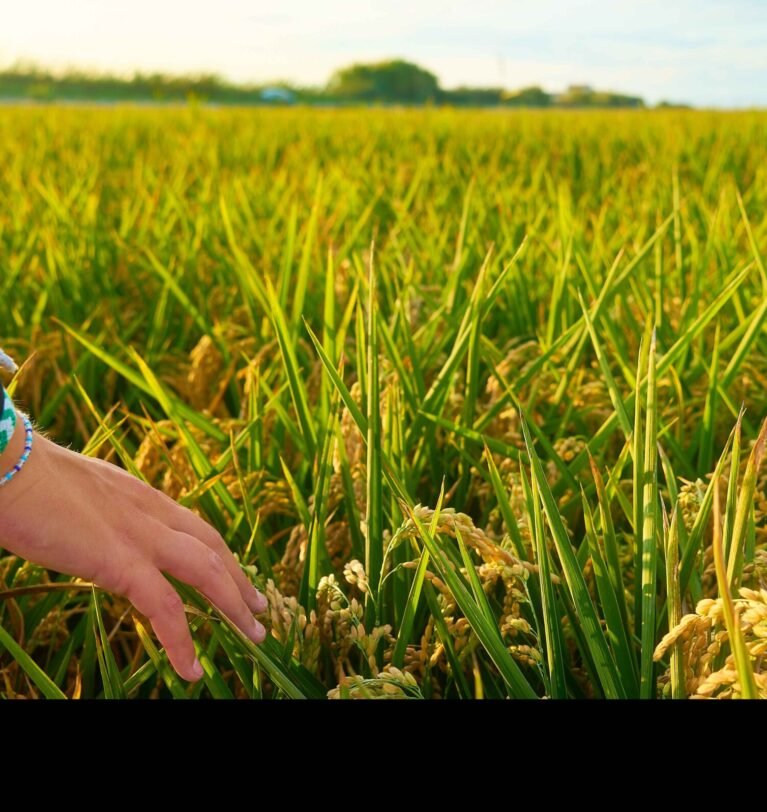
The Rice Cultivation in Pakistan- Backbone of Agriculture
Overview Pakistani rice is well-known all over the world due to its fragrance, fluffy taste, and distinctive aroma. In this post, we’ll discuss rice cultivation activity which is a major…
Read more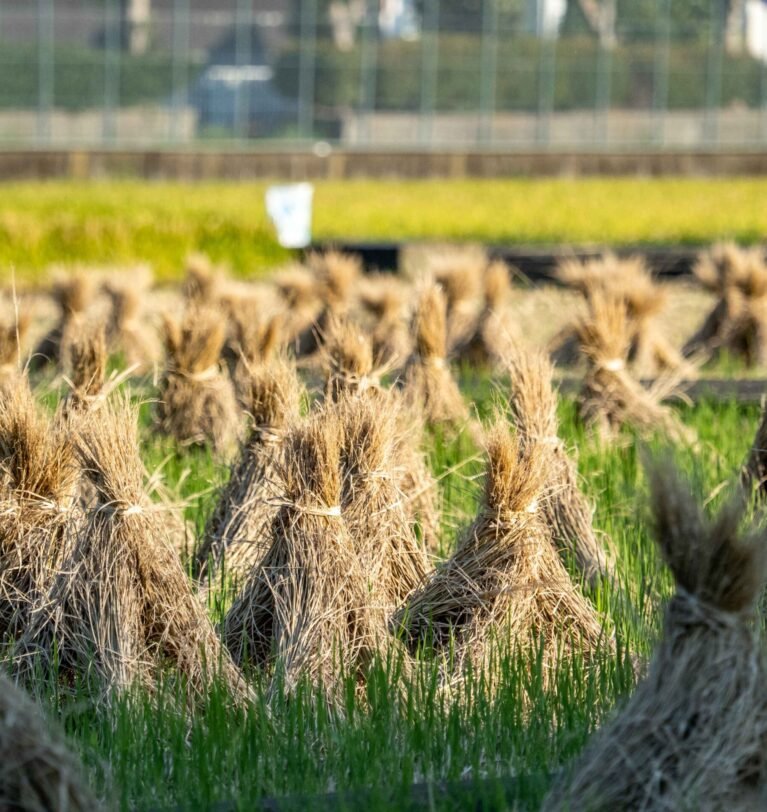
Rice Production Plan: From Field to Harvest for farmers
Overview Rice is the second staple food and cash crop in Pakistan after wheat. It is a very important cash crop for rural employment and a lifeline for billions of…
Read more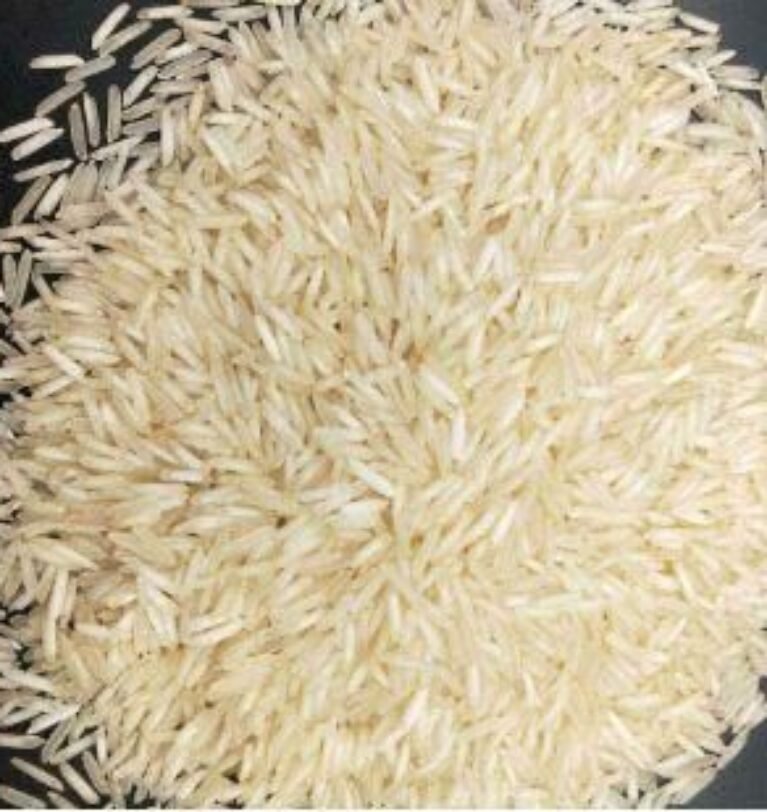
Discover Rice Varieties in Pakistan: Blending Culture with Cuisine
Overview Rice is not just a food crop in Pakistan for million-it is a significant part of the economic culture and symbol of strength, hospitality, and culture. Pakistan’s rice is…
Read moreGET IN TOUCH
Latin words, combined with a handful of model sentence structures, to generate Lorem Ipsum which looks reasonable.
Overview
Pakistani rice is well-known all over the world due to its fragrance, fluffy taste, and distinctive aroma. In this post, we’ll discuss rice cultivation activity which is a major agricultural activity, especially in Sindh and Punjab- different varieties are grown for both local and international use. The cultivation process is based on some farming practices and water resources. With strategic investments and the right reforms, Pakistan can truly grow in the agriculture sector. Let’s begin with us.
Importance of the rice industry for Pakistan
We can’t deny the importance of the rice industry for Pakistan. The agriculture sector is the backbone of the economy of Pakistan. Rice is the 4th largest exporter and the 10th largest rice producer. Pakistan has a manpower of farmers and labourers, also a fertile land-perfect for the cultivation of rice. Rice needs water, and our country has enough water resources.
As per history, rice has become an important part of the Indus Valley civilization. With time, it has become an important component of food culture and is served with different lentils, curries, and vegetables. Pakistan is world’ leader and is facing some challenges like sable market price, and a better water management system.
Key Points of Rice Cultivation
Major Varieties:
Key Rice Varieties from Pakistan. Pakistan provides many varieties that we have discussed in our post. Here’s a short list:
- Basmati Rice: Fragrant and premium, perfect for biryani.
- IRRI-6: A long-grain variety, great for everyday meals.
- Brown Rice: Nutritious and growing in demand.
Geographic Focus:
The basic regions for rice cultivation are the fertile lands of Sindh and Punjab.
Economic Significance:
Rice is prepared for billions of consumers in the world; it contributes to national economy as a major cash crop. It also creates millions of jobs for local people and runs their homes.
Irrigation and Water Management:
It consists of some quick methods like cultivation on beds and furrows without compromising yield.
Fertilizer Application:
Here, farmers need to apply an equal portion of phosphate and potassium. Nitrogen is added to maximize intake and reduce wastes.
Challenges and Opportunities
- Water Scarcity:
- Market Volatility:
- Farmer Awareness:
- Global Demand
Traditional vs. Modern Practices
In the past, Pakistan relied on traditional methods. Farmers work manually, like spreading seed with simple tools, and depend on floor irrigation. Over last few years, large-scale farmers or small-scale farmers have adopted mechanized transplanters, laser land levellers, and combine harvesters that help them and save costs.
Challenges in Rice Cultivation
Challenges in rice cultivation are climate change, leading to extreme weather like droughts, floods and water scarcity due to rice’s high-water requirement and decreasing groundwater levels. Pressure of pests and diseases like soil degradation, increase in competition in the market, lower harvest volume, nutrient deficiencies, and poor germination are the main problems. Also, rice straw is used as animal feed, which is not only a feed but also a healthy a feed item.
Here is a list of some challenges that are faced by farmers:
- Water Shortages
- Climate Change
- Rising Input Costs for fertilizers, labour
- Post-Harvest Losses
- Global Competition.
Environmental Challenges
- Climate Change
- Water Scarcity
- Rising Sea Levels
Pests and Diseases
- Invasive Species
- Plant Health
Agronomic and Soil Challenges
- Soil Degradation
- Weed Pressure
- Nutrient Deficiencies
Socio-Economic Challenges
- Market Competition
- Lower Harvests
- Farm Waste Management
Solutions and Opportunities
- Water-Saving Techniques
- Climate-Smart Varieties
- Converting rice straw into biochar
- Using supplements
- Sustainable Practices
Government and Private Sector Initiatives
Recently, the government of Pakistan has taken the best initiatives in the agriculture sector. In Pakistan, many institutes are established for working on quality of seed that has pest resistant. Different training programs and subsidies are introduced on the irrigation system; fertilizers are also introduced on fertilizers for improving productivity.
Export Significance
Each year, Pakistan exports millions of tons of rice to Europe, North America, the Middle East, and other sectors- they enjoy Pakistani rice varieties.
A Sustainable Path Forward
While rice cultivation has a bright future and good output. Encouraging young farmers to use technology and providing them with access to training to learn how to handle international clients.
This path is based on exploring the latest technology use in the rice sector (non-traditional markets such as the Far East, South America, and Africa).
Overview
Rice is the second staple food and cash crop in Pakistan after wheat. It is a very important cash crop for rural employment and a lifeline for billions of people in the world. Rice plays an important role in agricultural economics and the rural sector. Farmers need to make wise decisions to obtain a good quality yield, the right use of resources, timely decisions, and careful planning. A rice production plan guide about this process ensures all phases from land preparation to post-harvest handling contribute to better profitability and productivity.
Rice crop also provides raw material for many industries, for example, rice straw is used as animal feed-provide high quality oil, and its husk is used in paper and pulp mills. In this post, we will discuss the rice production plan, why it is important, and how farmers can implement it step-by-step.
Is this plan important?
Yes, without proper information or knowledge, farmers can get inconsistent results. A production plan provides a roadmap that helps in:
- Maximizing yield
- Reducing costs.
- Managing risks
- Improving quality
Raising rice nursery
There are 3 different methods used in raising rice nursery, and it depends on farming practices, soil characteristics, and irrigation system.
1- Wet Method
- Cover the Bundles (heaps) -15 to 20 kg of treated seeds with wet sacks. Keep sprinkling water on it. After about 36-48 hours, the seed will start to sprout.
- Poor quality and damaged seeds must be removed by adding 3% salt solution to 1 litre of water. Discard the seeds, which start floating on the surface of the solution.
- After 2 weeks, prepare the seedbed before planting. A thin layer of water is prepared on it (after leveling land). Maintain a water level of 1.5 inches.
2- Dry Method
- The dry method is used if the soil is loamy and puddling is not possible. After irrigation, the field must be ploughed and planked.
- A raised seedbed is prepared under dry conditions. Treated dry seeds should be evenly broadcast in each bed.
- 1-inch-thick layer of rotten farmyard manure or rice straws, and sprinkle water over it. The nursery will be ready in 35-40 days (its uprooting becomes easy).
3- Raab Method
- The raab method is used if the soil is hard.
- A 2-inch-deep layer of farmyard manure. The nursery is ready in 35 -40 days.
Land Selection and Preparation
Key points include:
- Soil type
- Land leveling
- Plowing and puddling
Seed Selection and Sowing
The choice of seed determines the success of the crop. Farmers should select varieties that suit their soil conditions, local climate, and market demand. For example:
- Basmati varieties
- IRRI or hybrid varieties
- Flood- or drought-resistant varieties
Irrigation and Water Management
Advantages of efficient water management include:
- Reducing irrigation water use by 20–30%.
- Lowering input costs for farmers.
- Minimizing the release of harmful gases
Efficient Use of Fertilizers and Nutrients
It includes:
- Nitrogen (N)
- Phosphorus (P)
- Potassium (K)
Cleaning Process
Here, we’ll face the biggest challenge in rice farming, i.e. protecting the crop from weeds, diseases, and pests.
- Weed- Farmers control them through maintaining proper water depth, hand-weeding, and herbicides
- Pests such as planthoppers, leafhoppers, and stem can be a reason of huge loss. IPM is the right approach for this problem.
- Diseases like sheath blight, blast, and bacterial leaf blight should be monitored.
Harvesting and Post-Harvest Handling
Harvesting is the last step in rice production. Harvesting too early reduces quality and grain maturity, too late increases pest damage. Crop must be harvested on time to attain maximum yield and grain quality.
- Signs of maturity: About 80–85% of the grains turn golden yellow & moisture of the grain is 20-22%.
- Moisture content must be reduced to 12-13% for storage, by exposing rice to the sun for 4-6 hours.
- Harvesting methods: Manual or through a machine.
- For mechanical harvesting, a Kubota rice harvester is commonly used. It is used to reduce the loss of grains. Farmers clean it thoroughly and prevent any impurities.
- No need to choose mechanical harvesting if moisture content is <18%
Modern Trends in Rice Production Planning
- Climate-smart rice farming
- Mechanization
- Optimized Resource Use
- Digital tools
- Durability
- AWD-Alternate Wetting and Drying
Overview
Rice is not just a food crop in Pakistan for million-it is a significant part of the economic culture and symbol of strength, hospitality, and culture. Pakistan’s rice is deeply rooted in both trade and tradition. Rice is a major contributor to the economic sector of Pakistan. With a focus on ideal growing conditions, strategic government policies, and quality, Pakistan has become one of the leading rice exporters.
Choosing the right variety may help us meet international standards and ensure business growth. In this post, we’ll discover or explore rice varieties, their major qualities, and why they’re important in export and global trade.
Why the Right Rice Variety Matters
Different regions have different rice choices. Some markets demand long-grain with fragrant options, while others demand parboiled or sticky varieties. It is important to know which type is suitable for any export destinations, which helps exporters build strong relationships and increase sales.
The rice variety matters in the export of Pakistan because it influences economic success, buyer preference, and market repute, fulfilling the demand for quality and international quality standards for characteristics like grain length, flavor, and aroma. Export-quality grain varieties have established a national reputation.
Regional Preferences
Each market prefers rice due to its characteristics. For example:
- Middle Eastern and South Asian markets – An ideal for biryani and pulao- appreciated by people due to long-grain rice like Basmati rice
- East Asian countries flavor sticky, short-grain rice, essential for traditional meals, sushi, and rice balls
- African nations often import parboiled rice (Durability and nutritional benefits)
- European and North American consumers– demand for organic and brown rice.
Top Rice Varieties for Global Trade
1- Basmati Rice
Best Basmati rice varieties are 1121 Basmati, Super Kernel Basmati, Basmati 385, 1509 Basmati rice, and traditional basmati rice-available on demand. Finest qualities are exported to different regions such as Europe, South Asia, and the Middle East.
Main points:
- Long and Slender Grains
- Distinct Aroma
- Delicate Flavor
- Non-Sticky Texture
- High Elongation Ratio
- Soft and Fluffy Cooked Rice
- Low to Medium Glycemic Index
- Cultural and Culinary Value
2- 1121 Basmati
The 1121 basmati rice variety is extra-long grain and popular for its superior aroma, perfect cooking quality, and long kernels, where grains separate from the region of Punjab. It comes in different further forms like Sella (parboiled), and steam rice.
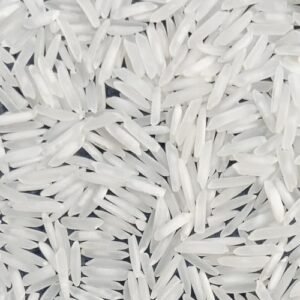
Why It’s Popular: Key Reasons for Popularity:
- Extraordinary Length
- Excellent Elongation
- Fluffy, Non-Sticky Texture
- Rich Aroma and Flavor
- Versatile Culinary Use
- Premium Quality & Export Market
- High Nutritional Value (Especially Parboiled)
3- IRRI-6 & IRRI-9
IRRI-6 and IRRI-9 are important non-basmati rice varieties in Pakistan, important for their versatility, affordability, and good cooking quality-perfect for different traditional dishes like biryani and pulao. It is also added in animal feed. IRRI-6 is a long-grain, high-yielding, non-aromatic rice grown in Sindh, while IRRI-9 is a long-grain, non-aromatic variety popular for its early maturity, high yield, and can grow well in salty soils.
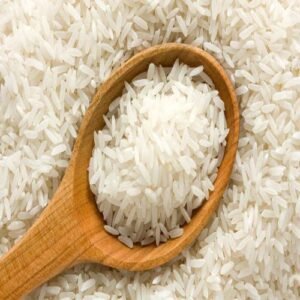
Best Uses:
- Affordability
- High-Yielding
- Versatile
- Industrial Uses
- Global Demand
- Importance of IRRI-9
- High-Yielding and Early Maturity
- Salinity Tolerance
- Culinary Quality
- Nutritional Value
- Wide Use (Africa, Bangladesh, and Gulf region)
- Perfect for bulk purchase
4- Short-Grain Rice
Short grain rice is important due to high-starch content that makes its creamy, tasty, and sticky when cooked-ideal for rice pudding, sushi, and risotto. Rice varieties such as bomba, and arborio are also significant.
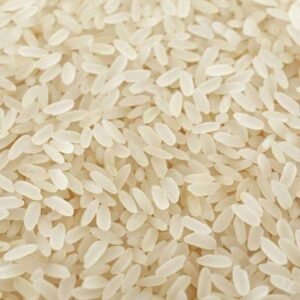
Market Demand:
Ideal for Specific Dishes:
- Sushi
- Risotto
- Rice Pudding
- Paella
Varieties
- Bomba rice
- Glutinous Rice
- Sushi Rice
- Arborio
5- Parboiled Rice
Parboiled rice is used in the soaking, steaming, and drying process. This process transfers nutrients from the hull to the kernel, making it resistant to insects, and breakage. |It is good to control blood sugar due to its Fiber and low-glycaemic index.
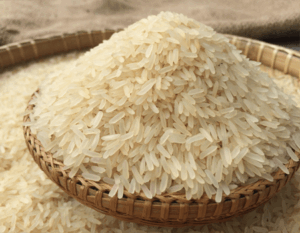
Nutritional & Health Benefits
- Enhanced Nutrient Content
- Improved Blood Sugar Control
- Better Gut Health
- Rich in Fiber and Antioxidants
Processing & Food Industry Benefits
- Increased Milling Yield
- Resistance to Insects and Fungi
- Altered Texture and Cooking Properties
Considerations
- Arsenic Content
- Energy-Intensive Processing:
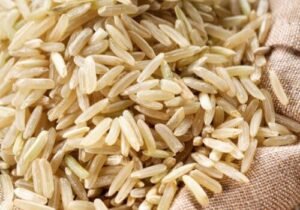
6- Brown Rice
Brown rice is linked with a lower risk of heart attacks, cancers, and type 2 diabetes. It has Fiber, a wide spectrum of nutrients, and color pigments. Every variety has a different texture and flavour. It is also a good for good digestive system, weight management, and the heart. It is a different variety due to its texture and flavour.
Why It’s Growing in Popularity:
- Rich in fiber
- Packed with vitamins and minerals
- Higher in antioxidants
- Blood sugar control
- Heart health- heart strokes
- Weight management
- Diverse nutrients
- Enhanced flavor and texture
- Broader health impact
- Increasing demand in health-conscious markets
- Preferred in Europe and North America
Essential Factors for Successful Rice Exporting
- Quality Control & Standards
- Market Demand Analysis
- Efficient Logistics & Packaging of Rice
- Competitive Pricing Strategy
Overview
Rice is among the most widely consumed grains in the world, and its prices shift due to a complex mix of local and global factors. It is important to check weather conditions, geopolitical events, and export policies that can influence logistics capabilities and production. A rice export in Pakistan, it is hard to satisfy customer demands. It is an era of eating quality food. All over the world, exporters, consumers, and the food industry are becoming conscious of what they eat.
Pakistani rice adds value to every rice recipe-Whether it is biryani in Dubai or London. A report from 2025 mentioned an 11% decrease in global prices for the year, due to unfavourable prices. Rice is one of the most consumed grains in the world and prices are changed by complex blend of local and global factors.
In this post, you will explore the factors affecting rice prices and the differences between prices compared to other rice types. So, without further ado, let’s examine the cost of premium Basmati.
- Naturally aromatic grains
- Weather- climatic conditions for the cultivation of rice
- Latest machinery or post-harvest technology
- Rich agricultural heritage
Understanding Basmati vs Non-Basmati Rice
Feature |
Basmati Rice |
Non-Basmati Rice |
| Grain Length | Long , slender | Varies (medium to long) |
| Aroma | Naturally aromatic | Mild or no aroma |
| Texture When Cooked | Fluffy, separate grains | Sticky or soft, depending on the variety |
| Popular Uses | Biryani, pulao, fine dining | Daily meals, bulk cooking |
| Price Point | Premium | Economical |
| Major Markets | Middle East, Europe, USA | Africa, Asia, and domestic markets |
| Shelf Life | Longer with proper storage | Moderate |
For successful rice export, it is important to know the difference of basmati and non-basmati rice. Both are equally important- one is for volume, and one is for value.
Pakistan’s Growing Rice Export Success
In 2025, successful and stronger growth is experienced, especially with special demand or orders from China & Europe has increased exports by 70%, as they are selecting Pakistani rice over other rice. The successful growth and exports are due to quality standards, competitive prices, and clean export procedures.
Key Factors Driving Growth
- China’s Demand
- European Union Market
- Competitive Edge
- Government Initiatives
Exploring the Potential of Rice Exports
Due to its quality, Pakistani rice can take its rightful place in international markets. Basmati is cultivated in the province of Punjab and returns double or triple. Pakistani basmati rice is exported in tonnage with the same export value and volume. It depends you want to invest in more varieties or focus on any specific variety like basmati rice.
To achieve better returns, growers should select a high-yielding crop that may have little or no aroma or be fixed to a specific variety with high-quality and good aroma. Basmati rice has lower-yields compared to other varieties; however, its price fluctuates as per demand.
Pakistan has provided a unique product and excellent quality over the last 7-8 years. Due to proper research and development, a new pest-resistant variety of Basmati rice has been introduced- Punjab is the heartland for producing high-quality rice grain.
Our export companies are introducing brand marketing, refining processing techniques, improving farming practices, and developing better quality. Basmati rice depends on the processing; different factors affect the prices, like export quality, global demand, rice yield, broken & unbroken rice grains, and labelling and packing.
Opportunities and Challenges
Opportunities:
- Growing demand in Africa and Southeast Asia for non-Basmati
- High-end demand from Europe, the US, and the Middle East for Basmati
- Government takes steps to improve export incentives
- Adoption of accurate digital & agriculture traceability
Challenges:
- Shipping or Logistics and infrastructure bottlenecks
- Requirements for value addition (e.g., parboiled or organic rice)
- Global price volatility
What Makes Pakistani Rice Unique?
- Cleaning & De-Husking
- Grain Polishing & Grading
- Moisture Control & Storage
Types of Rice
- Long-Grain Rice
- Medium-Grain Rice
- Short-Grain Rice
Why Pakistani Rice?
- 100% High-quality grains
- Affordable cost
- Industry expertise
- Seamless supply chain, from farm to port.
For Farmers Traders, exporters, and Consumers
- Farmers- Basmati rice is the most profitable crop, and farmers depend on it, but if they are not getting their share. Many farmers face delayed payment problems, difficulties in storage, and unlimited bargaining issues. In case of a fall in prices, farmers work hard to cover the cost of seeds, labour, and fertilizers.
- For Traders and Exporters- Traders work as middlemen, their point of focus is different as they must check buying and selling prices. Their profit depends on the buying rate. Exporters also check international rules and shipping costs. If the buyer has increased orders, then they can earn a profit.
- For Consumers
Local consumer face problems when prices increase then their budget. Many families reduce the use of rice in case of an increase in prices or use cheaper varieties. In hotels, commercial units, and restaurants also manage their menu when rice is expensive.
Overview
In this post, we’ll discuss rice’s export, challenges, and opportunities for rice exports in Pakistan. It is an important subject if we talk about rice’s export. Rice is an essential food and is cooked daily in our families. According to a survey, more than 3.5 billion people use rice (20% of calories) in developing countries. However, government policies are linked to trade, production, and prices that impact the lower or lower-middle class.
Pakistan is an agricultural country where countless people earn and spend their lives in rice cultivation and processing. Agriculture contributes about 24% of GDP (Pakistan’s total gross domestic product). It employs ½ of the labour power in the country. The agriculture department is also an important source of foreign exchange earnings.
After wheat, rice is the second staple food in Pakistan- 2 types of crops, food crops, and cash crops. Food crop is cultivated by farmers to fulfill food needs, and cash crop is cultivated to fulfill export needs (commercial purpose).
Rice Exports of Pakistan:
Key Figures & Performance
- Overall Exports (2024-2025):5.54 million metric tons, valued at $3.2 billion.
- Basmati Rice : Saw a 1.03% growth in volume and value during this period.
- Non-Basmati Rice : Accounted for $2.44 billion in earnings but faced declining global prices.
Dominant Export Markets
- China : 84% increase in rice imports from Pakistan in the start of 2025, reaching USD 35.93 million.
- Gulf Countries: A major market for Pakistani Basmati rice, though specific figures
Things to Consider:
- Global Demand and Pricing
- Government Policies
- Market Dynamics
Future Outlook
- Diversification
- Quality and Innovation
- Climate Resilience
Opportunities of Rice Exports of Pakistan:
As per the study report, Pakistan is the 10th largest rice exporter globally, so there are many opportunities for Pakistan in the international market.
Gulf Countries, Great Markets for Pakistani Rice:
Gulf countries like Oman, Saudi Arabia, Qatar, Yemen, Bahrain, etc, are great buyers of Pakistani rice. The government of Pakistan is working hard to generate maximum opportunities in Rice export. Saudi Arabia also likes Pakistani basmati rice in their food. Moreover, Pakistan is exporting to almost all its nearest countries (plus point). Iran (Middle East) is also a great buyer of Pakistani rice.
The demand for Pakistani Rice in Europe:
The demand for Pakistani rice (all varieties) has increased in Holland, Belgium, France, and Italy (by 70%).
Exported to USA, UK, Canada, UAE, Mauritius, Qatar, Oman, Egypt, Bahrain, Saudi Arabia, Europe, Lebanon, Morocco, China, Libya, Sri Lanka, Czech Republic, Austria, Australia, New Zealand, Armenia, and many others.
Great Opportunity in France
France has also opened the doors for Pakistani rice (value of USD 30.95 million last year).
Competitive Position of Pakistan in Rice Export:
Here, you can analyze the competitive position of Pakistan in the world’s market for rice export and explore new opportunities for rice export. Pakistan can earn sizeable foreign exchange and create multiple job opportunities for common people in the agriculture sector. Pakistan can use many strategies to build relationships with other countries in the case of exporting rice.
Growing & Harvesting
Rice is a Autumn crop, planting, cultivation, and harvesting all is completed in the monsoon season. Rice is planted between June and July, and the harvesting season starts in September till November.
No compromise on Quality (High Quality Rice for export)
Basmati Rice is also known as ‘King of Rice’ and is loved by many people in the world. Due to the favourable climate and weather, Pakistan is exporting high-quality rice to the international market. Every grain of rice meets the international standards. Through Pakistani exporters, customers receive only the best by using modern techniques. It includes Super basmati, and 1121 Basmati.
The Future of Rice Exports from Pakistan
Due to international orders, Pakistan remains at front this industry. Many rice exporters play a pivotal role in boosting the economy and delivering excellence in every grain. Digital platforms, Trade fairs, and business delegations also help exporters connect with international investors or buyers all over the world. The establishment of this network ensures that Pakistan has maintained its presence in both domestic and international markets. The relationship enables customers globally to receive delicious, high-quality rice in an affordable price.
Overview
Rice is a staple food item for more than half of the world’s population. It is a major agricultural export and a daily necessity for millions of people across the world. It is popular after wheat and plays an important role in raising the economy. However, prices remain unstable due to many factors like unpredictable weather, international orders impacting consumers, farmers, and exporters.
In this post, we’ll explore price trends, reasons, and all other relevant information about rice that every farmer and consumer must know if connected to the rice sector.
The Importance of Rice in Pakistan’s Agriculture
Rice is 2nd most important food staple in the agricultural sector of Pakistan, following wheat, and is an important cash crop that generates foreign exchange earnings. Rice generates a financial source or earnings for millions of rural families and contributes significantly to the agriculture sector.
Economic Significance
- Foreign Exchange: Pakistan is a leading rice exporter, so through rice product earning billions of dollars in foreign exchange.
- Contribution to GDP: The contribution of rice production adds value in the agricultural sector.
- Income for Farmers: It is a significant source of income for many growers and farmers so reducing poverty and helping in economic development.
Food Security & Employment
- Staple Food: Fulfills both domestic and international demands- serves as the second most important staple food of the nation.
- Rural Employment: Its cultivation or fundamental process generates many job opportunities for rural people, supports their financial life.
Industrial Uses
- Byproducts for Industry: rice straw is used as a feed item for dairy animals, so rice crop offers industrial applications (used in the agricultural and pulp industry).
Pakistan’s Position in the Rice Market
- Supreme-Quality Producer: Pakistan is the leading rice producer and exports high-quality rice – known for its superb quality rice.
- Global Trade: Plays a prominent role in exporting high-quality rice to the Middle East, China, and the UK.
Current Rice Price Trends in Pakistan
Rice prices vary according to varieties; however, 20k/100 kg in 2025 & 30k in some other regions of Pakistan. In 2025, prices are expected to fluctuate in 1st half of the year due to export demands, especially from China. NDRC (National Development and Reform Commission of China) has boosted minimum purchasing prices for some rice varieties to strengthen agricultural production.
For example, 1121 Basmati and super basmati prices also fulfill the global demands. In such case, prices directly affect their food budget, especially for low-budget families. For traders, prices are increased by 15% (40kg bag of rice) in some regions, depending on the variety. The rates for export-quality basmati rice are higher compared to other varieties.
Factors Influencing Rice Prices
Let’s start with some factors that are directly linked to price.
1- International Orders or Demand in bulk
Pakistan fulfills both its domestic and international rice needs, with over 60% of its production available for export, especially demand from China, African, Middle Eastern, and European markets.
2- Production Costs
Consumer gets higher prices naturally because of the high cost of seeds, labour, water, and fertilizers has also increased- farmers complain about these higher rates as they can’t earn well from the crop. The cost of seeds, fertilizers, water, and labor has been increasing steadily. Farmers complain that high input costs eat away much of their profit. Naturally, these costs get transferred to consumers in the form of higher prices.
3- Climate and Weather
There are different natural disasters, such as heavy rains, rising temperatures, and floods affect rice yield. In 2024-2025, heavy floods have damaged crops, so as a result, rates are higher and will be higher for the long term.
4- Government Policies
Polices, subsidies, export restrictions, and prices also impact the rice trend. In case of government permission for open exports, the buyer can compete more efficiently. The imposition of government on exports will be a loss for local farmers as the domestic price decreases.
5- Inflation and Currency Value
General inflation and the depreciation of the Pakistani rupee make imported fertilizers and machinery costlier. At the same time, exporters benefit because rice becomes cheaper for foreign buyers, increasing demand abroad but putting pressure on local consumers.
Impact on Farmers, consumers, and exporters
- It depends on the level of business. Small-scale farmers can’t manage the price shock & face problems. They are struggling with their limited resources. Large-scale farmers manage the higher prices in case of any emergency. They are also afraid of an increase in the cost of diesel, fertilizers, water, and pesticides.
- For local customers, especially for lower- or middle-class families, feel direct pressure of an increase in prices. The lower class cannot manage, and rice is a daily meal for middle class families. An increase in rates can affect their budget.
- Exporter plays a dynamic role in providing rice in the form of a product to the buyer. An increase in demand of rise from the international market can provide them opportunity to increase foreign exchange earnings.
New direction in Agriculture of Pakistan- Rice Crop
According to Experts, Pakistan can invest more amount in:
- Latest Techniques of Farming -improve yield per acre
- Best Water system -deal with shortages and floods.
- Storage facilities – Prevent post-harvest losses.
- Export conditions – Reduce dependency on a few markets.