
OUR BLOG
The point of using Lorem Ipsum is that it has a more-or-less normal distribution of letters, as opposed to using 'Content here, content here', making it look like readable English

Cereals and Grains / Long Grain Rice / Rice Grain
LONG GRAIN RICE IRRI6 – VALUE OF CULTURE & TASTE OF TRADITION
Saremco Agri Commodities is the leading exporter of IRRI-6 rice in Pakistan. IRRI 6 is a long-grain type mostly cultivated in the Sindh province of Pakistan. IRRI 6 is popular…
Read more
Cereals and Grains / Long Grain Rice / Rice Grain
Basmati Long Grain Rice – Special 1121
1121 long-grain basmati rice is a supreme and best variety grown in the Punjab region of Pakistan, known for its long, fragrant, and slender grain that remains separate after cooking. This variety…
Read more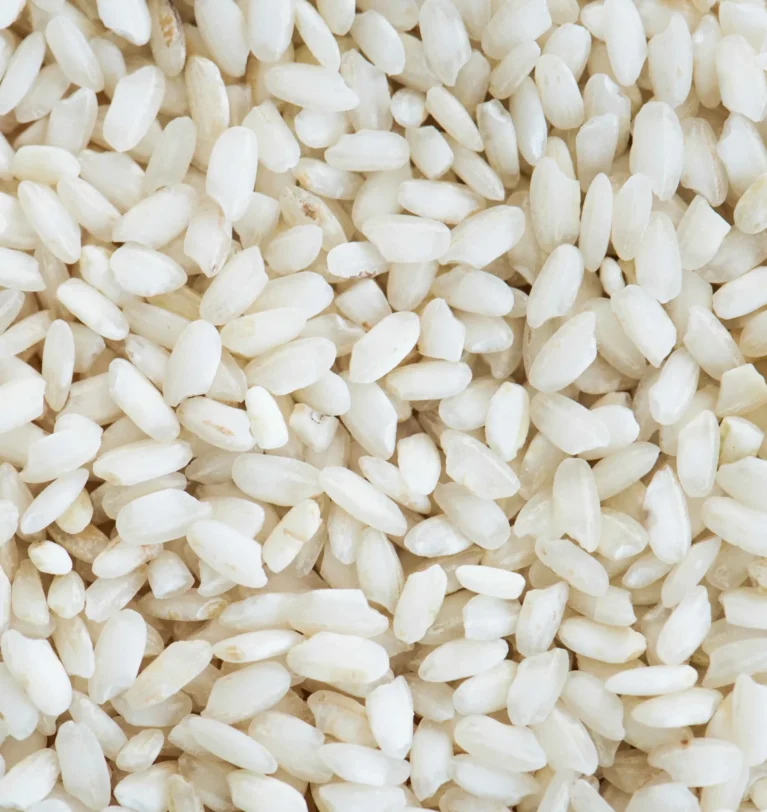
Cereals and Grains / Rice Grain / Short Grain Rice
Short Grain Rice – The Real Strength
What is Short Grain Rice Short grain rice has a short and thick shape. As compared to wild or basmati rice, its grains are shorter and broader and appear almost…
Read more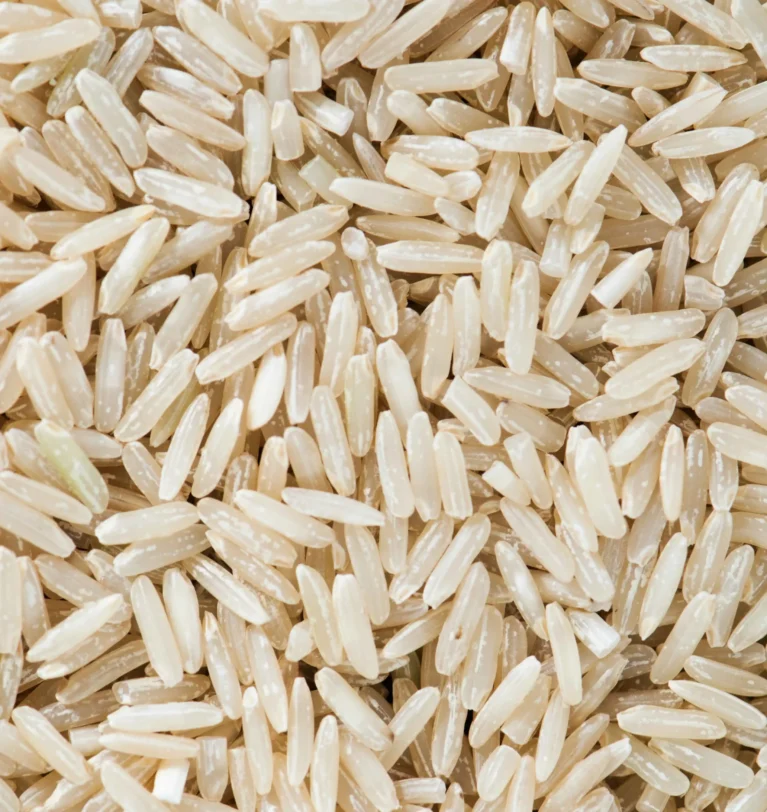
Cereals and Grains / Rice Grain
What is Rice Grain – Full Guide about Grain
Overview People love to eat rice and depend on different types of food grains as feed sources. Rice is produced and cultivated in different regions of Pakistan. A rice grain…
Read more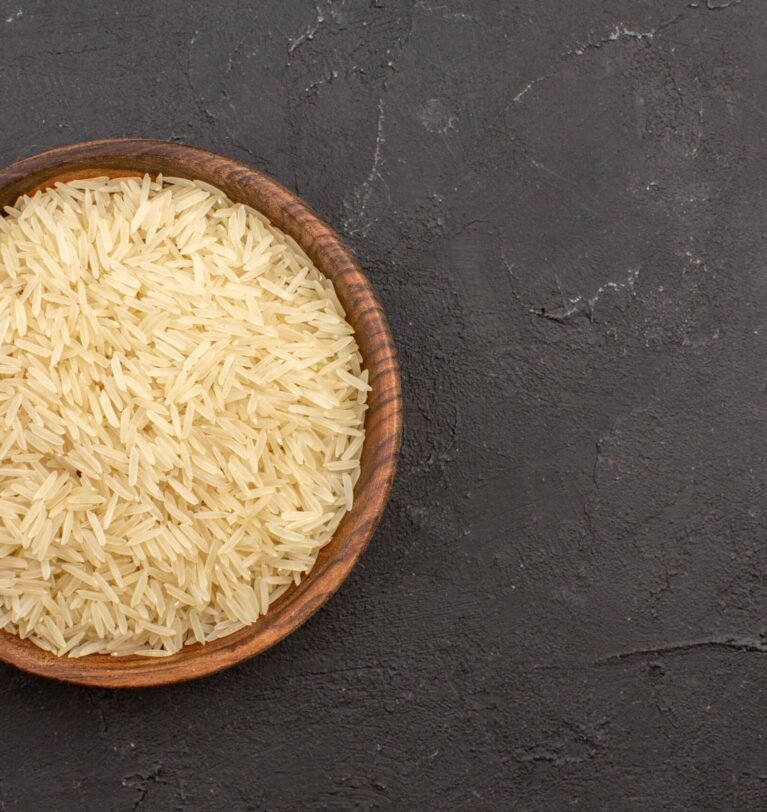
The Journey of Sella Rice in Pakistan’s Markets
Overview Sella rice is also known as ‘golden grain’ and holds special value in the Pakistani rice market. Before milling, it is parboiled which has a nutty flavour and firm…
Read moreGET IN TOUCH
Latin words, combined with a handful of model sentence structures, to generate Lorem Ipsum which looks reasonable.
Brown rice is whole-grain rice that has an outer layer, called a hull, removed. It is not like white rice has a bran layer and germs; both have access to the same amount of nutrients. Brown rice has luteolin, the antioxidants apigenin, and quercetin. It reduces the risk of heart attacks and cancers.
Health Benefits of Brown Rice
Brown rice is like white rice and provides both carbs and calories. Brown rice has higher protein and Fiber. Both protein and Fiber fulfill the health requirements and maintain body weight. Fiber also regulates blood sugar and insulin and supports sugar control. If you have a question in your mind about whether brown rice is a whole grain or not, then it is correct. Brown rice has 3 parts of the kernel: bran, endosperm, and nutrient rich. During processing some nutrients are removed.
Passion for Exporting Premium Brown Rice Worldwide
At Saremco Agri Commodities, exporting fine-quality rice in the global market is our passion. If you are a local customer, food distributor, or retailer searching for the best quality brown rice, then you are in the right place.
At Saremco Agri Commodities, we’ve perfected the art of cultivating, processing, and exporting brown rice varieties. Our journey started with a vision to bring fine products from farms to your table without compromising on quality.
Types of brown rice
- Short-grain brown rice
- Medium-grain brown rice
- Long-grain brown rice
- Light brown rice
- Brown basmati rice
- Brown Arborio rice
- Coconut brown rice
Price of Brown Rice: USD 1200
Saremco Agri Commodities: Leading Exporter of Brown Rice from Pakistan
We at Sarecmo Agri Commodities have made a huge contribution to the export of brown rice from Pakistan and to its economy. We are known for top-quality rice products, including brown rice in bulk containers—major destinations are the USA, China, the Middle East, and many other countries by sea or by air.
Saremco Agri Commodities is the leading exporter of IRRI-6 rice in Pakistan. IRRI 6 is a long-grain type mostly cultivated in the Sindh province of Pakistan. IRRI 6 is popular in Pakistan due to its taste and cooking abilities all over the world. As per the study, 50% of the total rice is exported from Pakistan to East Africa and other countries in the world. Due to its better cooking results, exports are increasing day by day.
Explore the rich variety of Pakistani rice.
Welcome to Saremco Agri Commodities. We’ll take our customers on a culinary journey of rice. Our farmers have all the technical information, and rice is cultivated with expertise and care. We can assure you that every grain meets the high standards. If you want a perfect dish or recipe, then select our IRRI-6. We have discovered a rice supplier of our choice with global customers according to their needs.
SPECIFICATIONS OF IRRI 6 LONG GRAIN WHITE RICE
Moisture content: 14% max.
Average grain length: 6.00–6.20 mm
Broken grains available: 5% -10% -15% -25%
Damaged: 1.5% max.
Chalky Grains: 4% Max
Foreign Grains: Grains:0.2% Max
Finished Product: Color Sorter, free of stone, metal, glass & live or dead insects
Polished Grade: Double or silky polish
Aroma: Not present
Packing: 1 kg, 2 kg, 5 kg, 10 kg, 20 kg, 25 kg, 50 kg , 1000 kg & bulk container
Global Demand and Export Growth of IRRI-6 Rice
IRRI-6 is best selling product all over the world from Pakistan. It is exported to Dubai, the UK, the Philippines, Bangladesh, the Middle East, and other African countries. It has long, soft grains. Irri-6 rice is non-basmati rice and known for its affordable prices and excellent cooking characteristics.
Moisture Content:14% Max
Chalky Grains:3% Max.
Average Grain Length:6.4 MM
Foreign Matter:0.1% Max.
Polishing Grade:
Double/Pearl Finish/Silky Polished
Paddy Grain:0.2 % Max
Broken Grains:5% Max.
Under-milled & Red-striped:2% Max
1121 long-grain basmati rice is a supreme and best variety grown in the Punjab region of Pakistan, known for its long, fragrant, and slender grain that remains separate after cooking. This variety is prized for its delectable taste, non-sticky texture, and suitability for dishes like Biryani and Pulao, making it highly sought after by high-end restaurants, hotels, and catering services worldwide. People love to enjoy this meal. Our Creative Units, Private Label for importers while an option is to order our registered agricultural products.
PAKISTANI 1121 Long Grain Basmati Rice—Renowned Worldwide for Its Aroma, Taste, and Quality
Pakistan Rice Export Company produces the premium grade 1121 basmati rice, and we export this rice to the United States of America, European countries, Canada, Western countries, the Middle East, African countries, and Afghanistan. The 1121 long-grain basmati rice is special due to its shape, fragrance, and taste. Pakistani rice is renowned for its delicious taste and superior quality—once cooked, it retains its separate grains.
Trusted by Global Restaurants and Retailers
Its basic moisture level is between 11% and 13%, it is extra well-milled, it has a silky polish, and it is sorted by color. The world’s largest restaurants, resorts, retail stores, hypermarkets, supermarkets, and catering companies order Pakistani 1121 long-grain basmati rice at the commercial level.
Saremco Agri Commodities—Leading Exporter of Premium 1121 Long Grain Basmati Rice Worldwide
Our best-selling product is 1121 long-grain basmati rice. Saremco Agri Commodities exports the best quality extra-long-grain 1121 basmati rice all over the world. If you are in search of 1121 long-grain basmati rice, then don’t explore further; you are at the right place. Saremco Agri Commodities never compromises on packing, quantity, or quality. That’s why our customers are satisfied with our services. We have orders from all over the world; we export 1121 tons of basmati rice to the Middle East, Canada, Western countries, Afghanistan, African countries, the USA, and Europe.
We provide 1121 long-grain refined rice, which is grown in the fertile soil of Punjab. It is considered best for its lighter quality, wonderful taste, and delicious flavor. Perfect for biryani, pulao, Persian poli, challow, or plain rice. Suitable for sugar patients! Order Now!
Price of 1121 Long rice: USD 1200
SPECIFICATION OF 1121 LONG GRAIN RICE
Product Features
Quantity
Moisture Content: 12% Max
Average Grain Length: 8.2 mm average length
Polishing Grade: Double/Silky Polished
Yellow Grains:
Broken Grains: 2% Max
Chalky Grains: 3% Max
Contrasting Varieties: 5% Max
Under-milled & Red-striped: 0.5% Max
Color: White
What is Short Grain Rice
Short grain rice has a short and thick shape. As compared to wild or basmati rice, its grains are shorter and broader and appear almost round. Short grain rice varieties short grain rice varieties are a group of rice varieties that share similar short-grain characteristics.
Are you searching for the best Short Grain Rice in Pakistan? Stop exploring! You are on the right place, Saremco International Saremco International Sister concern company of Saremco Agri Commodities, known for quality and purity. We focus on customer satisfaction to deliver accurate products for both domestic and international purposes.
Supreme Quality Short Grain Rice for International Markets
Exporting short grain rice that stands for the best quality, rich aroma, and freshness. We are completely concerned with customers’ health, so we process and pack 100%free from artificial additives, dust, and chemicals. At Saremco Agri Commodities, we believe in offering rice that’s as pure as nature intended — grown without harmful fertilizers or chemicals, which maintains both nutrition and flavor.
Your Reliable Partner for at Affordable Prices
With our dedication to providing high-quality products at an affordable rate, Saremco Agri Commodities is always the first choice for Importers or buyers who want the best quality products without extra cost. We promote better, healthier, and delicious rice for our beloved customers. Choose Us!
Short Grain Rice Price: USD 1200 per Ton
Short-grain rice has special cultural importance. This simple guide will explain how short-grain rice contributes to both local and global consumption. Visually, this variety is stubby and short when cooked, and rice will become stickier and chewier than long grain. Short-grain rice is available in white and brown rice, with a processing difference.
Some well-known varieties of short grain rice include:
- Japonica rice (used in Japanese cuisine)
- Arborio rice (used in Italian risotto)
- Calrose rice (popular in the U.S. and Asia-Pacific region)
- Bomba rice (used in Spanish paella)
- Thats all about short grain rice!
Overview
People love to eat rice and depend on different types of food grains as feed sources. Rice is produced and cultivated in different regions of Pakistan. A rice grain is the starchy, edible seed of the rice plant, a staple food for billions of people worldwide. Rice is a cereal grain categorized by its length into three categories: short, medium, and long, each with distinct textures. Common varieties are long-grain basmati rice, nutty brown rice, jasmine, and versatile sushi rice.
In this article, we’ll review rice grain, its characteristics, structure, processing, and varieties, and understand the value of rice grain in the world.
What Is a Rice Grain?
- A rice grain is the seed of a grass species and a cereal grain, a fundamental part of many diets all over the world.
- Rice grain is cultivated in huge amounts and is used as a staple food in most of the developing countries, as it provides more energy.
- It is a full source of carbohydrates and is typically cooked by boiling before consumption.
- ·Rice is also available in flour form and used in different dishes.
Different Types of Rice Grain
The primary classification of rice is the length of the grain, which describes cooking and content properties.
Long Grain Rice
The longest grain-like jasmine and basmati rice remains separate and looks fluffy. It is ideal for some dishes like curries, stir-fries, and side dishes. Long-grain rice is elongated and slender.
- Shape & Size: Slender, elongated kernels, 3-4 times long, and thin grains.
- Starch Content: High in amylose, which prevents the grains from clumping together.
- Texture: Fluffy, separate, and light when cooked.
- Examples: Basmati rice, regular white rice, and Jasmine rice are used in South Asia.
Starch Composition
Starch is composed of 2 polysaccharides, amylose & amylopectin, which are strong components. Amylose is a linear chain, and amylopectin is a branched chain that is classified according to its ratio, influencing the textural, cooking properties, and physical size. The starch is stored in polygonal and small granules within the endosperm.
Starch Components
- Amylose (A linear chain of glucose units)
- Amylopectin (A branched chain of glucose units).
Properties
- Ratio: It has a specific ratio.
- Granule Size: Rice starch granules are among the smallest in cereal grains( long and short grain white rice), with a size range of 2 to 7 micrometers (μm).
- Structure: This granule is based on a semicrystalline nature. It means they contain both crystalline and non-crystalline sections.
Factors Influencing Composition and Properties
- Rice Grain Variety:
- Processing:
- Cooking
The amylose/amylopectin ratio affects the pasting, physical, and textural characteristics of rice during cooking.
- If long-grain rice has high proportions of amylose and less amylopectin, then it gives a firmer texture with less stickiness.
- When cooled it is even and fluffy when cooked well.
What if cooked
No excess of water required- Normally 1 cup rice to 1.75–2 cups water
Front side
- Long-grain rice is available in golden, brown, and white, polished, unpolished, or parboiled.
- Its type is also available in a long layer, providing energy.
Health benefits
- Rich in carbohydrates, protein, and B vitamins.
- Brown long-grain rice is richer in Fiber, antioxidants, and magnesium
Other types
It includes basmati rice, jasmine rice, long-grain, IRRI-6, IRRI9, 1121, etc.
Storage and Shelf Life
- Long-grain rice has a long shelf life, especially when stored in a cool, dry place.
- Brown varieties have a shorter shelf life due to natural oils in the bran layer.
Culinary Uses
In salad, stir-fries, soups, and other liquid-based dishes. Absorbs every flavour and remains separate.
Medium Grain Rice
Medium grain rice is wider and shorter with a tender texture. It looks creamy when cooked, and it has a unique consistency compared to long grain. It is perfect for liquid dishes like curries, stews, etc.

Properties
Shape and Size: Medium grain rice is shorter and wider than long grain rice, with grains typically being 2 to 3 times longer than they are wide.
Texture: When cooked, the grains are moist, tender, and have a semi-sticky or creamy consistency, with a slightly chewy center.
Starch Content: It has a lower amylose content than long-grain rice, contributing to its tender and creamy texture when cooked.
Absorption: Medium grain rice absorbs flavors and liquids well, making it an excellent choice for dishes that use a significant amount of liquid during cooking. It is also used in every type of dish.
Short Grain Rice
Short and plump, with the highest starch content, resulting in a soft and sticky level.
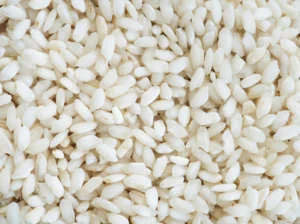
Properties of Short-Grain Rice
Shape and Size: Short-grain rice is round, shorter, and plump but shorter in length as compared to medium or long-grain types.
High Starch Content: Its starch amount is higher compared to other rice types.
Sticky Texture: It is best if you need to make rice pudding, rice balls, etc. It can hold its shape.
Moist and Tender: Short-grain rice absorbs water easily and becomes moist, glossy, and tender after cooking. It maintains a pleasant bite without becoming mushy.
Mild Flavor: It has a delicate, slightly sweet taste that can be used with desserts, vegetables, and seafood. It is eaten well.
Best for Asian Cuisine: Short-grain rice is commonly used in Korean, Japanese, and Chinese recipes
Less Fluffy: Unlike long-grain rice, short-grain varieties are not fluffy or separate. Their natural stickiness is desirable for specific recipes requiring cohesion.
Medium Grain Rice
Not too long and not too short, grain rice is suitable for almost all dishes.
Properties of Medium Grain Rice
Medium grain rice is available in all sizes and textures. It is perfect in all dishes that need shape and softness. Here are its main characteristics:
Grain Length and Shape:
- Medium grain rice is about 2-3 times longer than it is wide.
- The grains are shorter and plumper compared to long-grain rice.
Texture:
- When cooked, it becomes tender, moist, and slightly creamy.
- It does not become as sticky as short-grain rice.
What If Cooked
- Cooks faster than long grain varieties.
- Soft and slightly chewy texture, perfect for every recipe.
Flavor:
- Perfect for seasonal and sauces.
Culinary Uses:
- Commonly used in pudding, paella, risotto, and sushi.
- Popular in Middle East, Japanese, and Korean cuisines.
Examples of Medium Grain Varieties:
- Arborio rice
- Calrose rice
- Valencia rice
Nutritional Value:
Like other rice types, it is rich in carbohydrates, low in fat, and a source of vitamins and minerals like manganese and B vitamins.
Short Grain Rice
The length of this grain. It is consistent and sticky when cooked. Perfect for required dishes due to stickiness.
Other Important Rice Types
Brown Rice Grains
Bran layer is removed from this type of rice, nutty flavor and texture.
Aromatic Rice Grains
This is a distinct and pleasant variety when cooked.
Other Grains
There are some other categories like red, black, 1121 kainat rice, IRR6, IRR9, which have unique taste and texture.
Understanding the Rice Grain
Structure of a Rice Grain
It consists of 3 parts:
Husk (Hull): The outer part is the most important part that protects the growth of the seed. It is inedible and tough. During the milling process, it is removed.
Bran Layer: It has minerals and vitamins B, and is rich in Fiber. This layer gives brown rice its color and nutritional edge.
Endosperm: It contains the maximum amount of grain, protein ,and starch. Looks perfect after milling and polishing.
Germ (Embryo): The living part of the seed, containing essential nutrients, fats, and enzymes required for germination.
Grain’s Processing
Harvesting, Drying & Milling
Grains are transformed into other forms such as food items, flour or other cleaning, drying, milling or dehulling processes. The cleaning process removes extra things, and the milling process is also executed and produces results.
- Brown Rice: It is produced by only removing the husk, keeping the bran layer active.
- White Rice: After the polishing process, white rice appears in its natural color
- Parboiled Rice: It is boiled before milling, making the grain more healthy and harder as vitamins are added to it.
- Broken Rice: Broken rice has fragments that cause damage in harvest, drying, transport or milling, and are separated from whole grains. It is cost-effective and is used to make baby food, rice flour, cereal grains, bird food, etc.
Classification by Color and Processing
It includes red, black, gold, white, brown, etc.
Specialty Rice Varieties
Beyond basic color and size, rice also varies by fragrance, cultivation method, and culinary use. Let’s look at some notable types around the world:
Basmati Rice
Famous for its long grains and floral aroma, Basmati rice is grown primarily in the foothills of the Himalayas. It elongates significantly when cooked and remains fluffy.
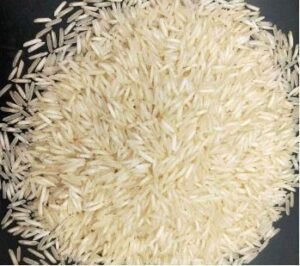
Important Points
- Origin: Asia
- Uses: Biryani, pulao, and festive dishes
- Unique Feature: Aromatic compound 2-acetyl-1-pyrroline gives its fragrance
Jasmine Rice
Uses: Thai curries, stir-fries, and Asian dishes
Flavor Profile: Mildly floral and buttery
Arborio and Carnaroli Rice
Uses: Italian risottos, rice pudding
Texture: Creamy yet firm to bite (al dente)
Glutinous Rice
Uses: Rice cakes, desserts, snacks
Texture: Sticky and chewy
Wild Rice
Uses: Salads, soups, gourmet dishes
Nutrient Profile: High in protein and fiber
Nutritional Value of Rice Grain
Nutrient (per 100g uncooked) |
White Rice |
Brown Rice |
Black Rice |
| Calories | 360 kcal | 355 kcal | 350 kcal |
| Carbohydrates | 79 g | 77 g | 75 g |
| Protein | 7 g | 8 g | 9 g |
| Fat | 0.5 g | 2.5 g | 3 g |
| Fiber | 0.5 g | 3.5 g | 4 g |
| Iron | 1.5 mg | 2 mg | 3 mg |
Global Importance of Rice Grain
Rice is more than a food crop—it’s a foundation of food security and economic stability across Asia, Africa, and Latin America.
- Asian countries produce approximately 90% of the world’s rice, with China, Indonesia, and Bangladesh as the top producers.
- In Pakistan, rice (especially Basmati) is a major export crop, contributing billions in revenue.
- Culturally, rice symbolizes prosperity and fertility in many traditions. It’s used in religious rituals, weddings, and festivals.
Selection of Category
Purpose |
Recommended Type |
Reason |
| Daily meals | Long-grain white or parboiled rice | Light, fluffy texture |
| Healthy diet | Brown or red rice | High fiber, vitamins |
| Asian cuisine | Jasmine or sticky rice | Authentic flavor |
| Festive dishes | Basmati rice | Aroma and long grain |
| Desserts | Short-grain or Arborio rice | Creamy texture |
Prosperity reasons due to rice grains
As per the study:
- Biofortified rice with enhanced nutrients
- Drought- and flood-resistant varieties
- Sustainable cultivation to reduce water use and methane emissions
- Hybrid and organic varieties catering to modern consumers
Overview
Sella rice is also known as ‘golden grain’ and holds special value in the Pakistani rice market. Before milling, it is parboiled which has a nutty flavour and firm texture. This process also imparts a light golden colour and strengthens the grain, locking nutrients into it, making it palatable. Sella rice is used in traditional dishes like biryani, pulao, and other meals. Its grain holds shape after cooking, so big restaurants and exporters use it.
Sella Rice Key Characteristics in Pakistan
Title |
Description |
| Golden-Yellow Color | The parboiling process gives the rice a distinctive golden or yellow color. |
| Strong Grain | The parboiling and drying process strengthens the grain, preventing it from breaking. |
| Non-Sticky Texture | Ideal for dishes that require separate grain |
| High Nutritional Value | Making it healthier and more nutritious |
| Geographic Origin | Punjab |
Sella rice—if we look at its commercial side, then it contributes to the trade of Pakistan and is exported to Asia, Africa, and the Middle East. It is affordable rice and popular due to its quality. It is grown in a fertile area, where mills prepare it for both local and international markets. In this post, the story reflects on the importance and major factors of Sella rice. The multiple methods increase its price as well. Sella rice is the first choice during Eid festivals and weddings.
Is Sella rice more attractive?
Sella is important due to many reasons, like processing methods, which are discussed above, and the best quality rice for different recipes.
- Superior Grain Quality
- Rich in Nutrients
- Perfect for Every Dish
- Trusted for Longevity
- Sella’s versatility offers a Culinary Experience
- Biryani and Pulao
- Day-to-day Meals
- Festive Dishes
Sella A Trusty Grain
Sella has earned the trust of rice lovers and customers with high-quality pure rice.
Role of Farmer: From Seedbed to Paddy
The Sella rice starts on the farm. Sella cultivars are used for high yield compared to other aromatic varieties—adaptive tolerance. Nurseries are prepared by farmers; it is also grown in Swath, especially in regions where stability, marketability, and quantity have priority.
Milling, grading, and the supply chain
After drying and the parboiling process, grains are polished. Rice is moved to mills where the husk is removed and the grains are polished. Too-aggressive or too-light polishing reduces its texture. Now rice is ready for sorting and graded by size. Now rice is ready to go in wholesale markets- like arteries of Pakistan trade. Exporters, wholesalers, and multinational buyers purchase in bulk; smaller retailers and grocery shops also buy it in limited quantities. Still, there is a risk of loss in the storage process and pest diseases that reduce returns in the value chain.
Challenges along the way
- Climate risk
- Water use
- Input costs
- Post-harvest losses
- Quality inconsistency
- Market volatility
Opportunities for growth
- Better agronomy
- Mechanization & training
- Improved storage
- Quality standards
- Value-added products
- Sustainability practices
Is Sella Rice Considered better?
Yes, its main reasons are given below: –
- Long-Grain Marvel
- Aroma Extravaganza
- Nutritional Value
- Affordable rice
- Versatile Culinary Companion
- Unique Processing Technique
- Excellent Absorption
- Consistent Quality Standards
Know about the difference between Sella Rice and Steam Rice
Pakistan is exporting a popular variety to the world. That’s why Pakistan has got 4th largest exporter position. If we talk about Sella rice and steam rice, then both are different due to their properties. The process of other rice and Sella rice is entirely different. For example. steam passes through rice in steam rice. Its outer layer is removed after drying process. It also doubles the size, flavour, and taste of size. Let’s explore key reasons with us!
The Significance of Rice Processing in Pakistan
Rice is food of billions of people in the world. All depends on the technique or method which is used to boost quality and cost as well. Get a best price in Pakistani rice.
- Higher Yield
- Market Appeal
- Nutritional Value
- Shelf Life
- Versatility
Challenges and Solutions
- Processing Costs
- Consumer Awareness
- Equipment Needs
- Steps to Choose and Implement Rice Processing
- Assess Market.
- Test and analyse.
- Select Equipment
- Partner with Vendors
- Budget
- Educate Consumers