
OUR BLOG
The point of using Lorem Ipsum is that it has a more-or-less normal distribution of letters, as opposed to using 'Content here, content here', making it look like readable English
GET IN TOUCH
Latin words, combined with a handful of model sentence structures, to generate Lorem Ipsum which looks reasonable.
Overview
Wheat straw was once thought of as just farm waste, usually left in the fields or burned
Growing wheat gives farmers not only grain but also a significant amount of leftover straw. For a long time, many farmers saw straw as waste or something difficult to handle.
But now, with growing markets and new uses, wheat straw is becoming a source of extra income for farmers. Knowing how much straw grows per acre, what factors change its yield, and the ways it can be used helps farmers decide if they should sell it, keep it, or put it back into the soil.
Average wheat straw yield per acre
On average, 1.5 -3 tons of straw is produced from 1 acre of wheat; the actual amount varies.
Farmers must consider the straw-to-grain ratio, which generally ranges from 1:1 – 1:1.5. This means that for every ton of grain harvested, there is roughly one to one and a half tons of straw available.
Key factors affecting straw yield per acre
Many factors affect how much straw a farmer can get from each acre:
1. Wheat variety
- Tall wheat types
- Special biomass or dual-purpose varieties
2. Soil fertility
- Healthy, nutrient-rich soil.
- Poor or depleted soils reduce plant size.
3. Weather conditions
- Good rainfall or proper irrigation supports better growth
- Storms, hail, or strong winds can damage stems
4. Harvesting methods
- Using combines and balers helps reduce straw loss in the field.
- Different buyers may prefer different bale types (small, large, or round)
- Proper handling after cutting is required.
5. Pest and disease pressure
- Healthy produce stronger stems.
- Pests that damage stems
Uses of wheat straw
Wheat straw has multiple benefits, so it is gaining importance in the market. Below are some of the most common applications:
1. Livestock bedding
Straw is widely used as bedding material for all animals, like beef, dairy, sheep, goat, and poultry farms. Wheat straw is soft
- Control moisture.
- No risk of hoof
- Clean, dry, and dust-free straw
- Save handling time
2. Animal feed supplement
Even though straw has little protein and energy, it can still serve as roughage for animals like cattle, especially when mixed with other feeds or treated with urea to make it easier to digest
- Low in nutrients but provide roughage for cattle, sheep, and goats.
- Helps fill the stomach of ruminants and supports digestion.
- Improve its nutritional value.
- Important backup feed source.
3. Mushroom farming
Mushroom farmers use cut straw as a main ingredient for making compost. Buyers prefer clean straw, even in size, and has low moisture.
- Key material for preparing mushroom compost.
- Prevents spoilage during composting.
- Supplying directly to mushroom growers can bring higher prices for straw.
- Consistent quality
4. Soil improvement
When returned to the land, straw adds organic matter, improves soil texture, and enhances water retention.
- Adds organic matter that improves soil health.
- Straw helps the soil hold more water, which supports crops in dry periods.
- It reduces soil erosion by protecting the surface.
- Regular incorporation of straw improves soil structure.
5. Bioenergy and fuel
Straw pellets or bales can be burned in boilers to generate heat. It is also used in biogas plants and cellulosic ethanol production.
- Wheat straw can be pressed into pellets or briquettes and burned to produce heat.
- It is also used in biogas plants to generate renewable energy.
- Cellulosic ethanol projects turn straw into liquid biofuels.
- Using straw for energy reduces dependence on fossil fuels.
- Consistent supply and proper storage are important for energy buyers.
6. Packaging and paper industry
Straw can replace wood in making paper, boards, and biodegradable packaging.
- Wheat straw can be used as a raw material for making paper and cardboard.
- In biodegradable packaging products as an alternative to plastics.
- Using straw reduces the need for cutting trees, helping protect forests.
- Demand is rising as industries move toward eco-friendly packaging solutions.
- Buyers require for clean, uniform, and free from dust or soil.
7. Construction and composites
In eco-friendly construction, straw is used for insulation panels, mixed with clay for walls, and applied as natural thatching material.
- Straw is used in eco-friendly building materials.
- It can be mixed with clay.
- In sustainable housing designs.
- Traditional thatching material.
Profit potential for farmers
Selling straw can give farmers good extra income per acre, especially if buyers are close to their fields. The price of straw changes depending on the area, market demand, bale shape, and overall quality. In general, farmers can earn anywhere from $30 to $80 per ton, depending on local conditions. With yields of 1.5 to 3 tons per acre, this means an additional $45 to $240 per acre of revenue.
Overview
Wheat straw was once thought of as just farm waste, usually left in the fields or burned to prepare the land for the next crop. Nowadays, farmers and industries no longer see wheat straw as waste; it is increasingly recognized as a valuable resource with applications in manufacturing, energy, and agriculture.
Wheat straw is now used in many ways, such as bedding for animals, improving soil, making packaging, and producing clean fuel. These uses give farmers extra income and support industries looking for eco-friendly materials. In this post, we’ll highlight wheat straw buyers, who they are, what they need, what negotiable rate, and practical steps to reach the market while protecting soil health.
Rising Need for Wheat Straw in Modern Markets
Three main factors are increasing the demand:
- Cost and availability: Straw is available in all areas where wheat is harvested. It usually costs less per ton than wood, hay, or man-made materials, and can be used as a substitute in many ways.
- Sustainability pressure: Many companies are looking for renewable materials that reduce pollution. Since straw is a by-product, using it creates value without needing extra land or crops.
- Technology improvements: pelletizers, better balers, and processing plants make it easier to collect, transport, and convert straw into useful products.
Buyers want a dependable, affordable plant Fiber that is widely available. Wheat straw fits.
Who buys wheat straw?
1) Suppliers of Livestock operations and bedding
Dairy, sheep, beef, goat, and poultry farms use wheat straw for bedding because it’s comfortable, absorbent, and reduces hoof and udder issues. Buyers in this channel want clean, dry straw with low dust. Some will pay a premium for large square bales (e.g., 3×4 or 4×4) that reduce handling time.
2) Composters and Mushroom growers
Mushroom farms blend chopped straw with manure or other materials to make a compost substrate. They care about low contamination (no plastic twine, weeds, or soil clods), uniform length, and moisture around 12–15%. Many request pre-chopped straw to save their processing time.
3) Bioenergy and biofuels
Straw can be turned into pellets that are used as fuel in boilers. Straw is also used in making cellulosic ethanol and in anaerobic digesters to produce energy. Now these buyers will focus on reliable volume, ash content, and stable moisture. Contracts can include year-round delivery schedules and storage standards to prevent mold.
4) Pulp, paper, and Fiber packaging
Straw Fibers can replace wood pulp in molded packaging like trays and egg cartons, in some papers. Packaging companies also use straw to make biodegradable products that help meet target of plastic reduction. Specifications have bale moisture, density, and low dirt/stone content.
5) Biocomposites and building materials
Panel manufacturers, straw-clay builders, and thatching contractors purchase straw for boards, insulation, and roofing. They want long, intact stems, securely tied bales, and consistent dimensions. Some green builders insist on certified low-moisture bales to reduce mold risk.
6) Horticulture, Landscaping, and Erosion control
Straw mulch protects soil, suppresses weeds, and conserves moisture. Municipal projects, landscapers, and nurseries buy straw for newly seeded areas and roadside works. They want weed-free, bright straw that spreads easily and doesn’t introduce invasive seeds.
7) Exporters and trading companies
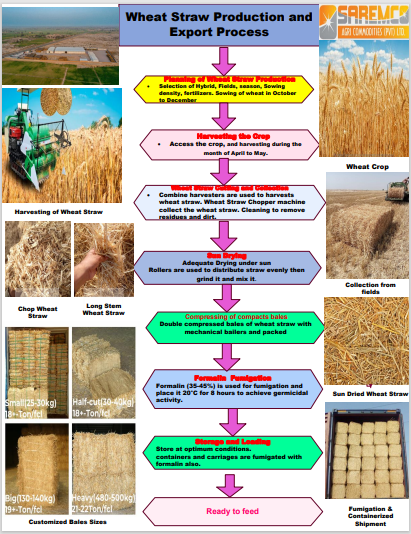
In regions with straw shortages, importers buy compressed bales from surplus areas. Export channels require strict bale size, wrapping, phytosanitary certificates or fumigation, and reliable shipping and logistics.
What buyers look for (quality and specs)
-
Moisture
- Aim for 12–15%.
- Higher moisture increases weight and risk of heating or mold.
-
Bale type and density
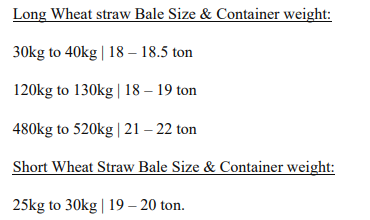
- Large squares are popular for industry and export
- small squares suit retail and hobby farms; round bales are common locally but less preferred for stacking and transport.
-
Cleanliness
- Minimal soil, stones, plastic, and weed seeds.
- Avoid baling too low or in muddy conditions.
-
Color and odor
- Bright golden color
- Low mold risk.
-
Chop length
- Some buyers want intact stalks; others want chopped material (20–50 mm).
- Clarify before baling.
-
Traceability
- Field or lot numbers, harvest dates, and storage records build trust
- Can justify premium prices.
How prices are set
Straw pricing depends on supply, distance, handling, and quality:
- Supply and timing
- Distance and logistics
- Handling and processing
- Quality premiums
Important checklist for farmers
- Fields identified and harvest dates planned
- Target markets selected
- Bale format chosen and communicated
- Moisture meter calibrated; sample method agreed
- Storage space clean, dry, and elevated from the ground
- Transport arranged (trucks, loaders, straps, paperwork)
- Simple contract template ready
Soil plan in place (cover crops/fertilizer to replace removed nutrients)
Overview
Wheat straw ranks among the most widely produced agricultural by-products across the globe. When wheat is harvested, the leftover parts of the plant, like stalks and husks, are commonly discarded or burned in the fields. In modern times, wheat straw has evolved beyond being crop residue and is now recognized as a versatile, budget-friendly resource for agriculture, energy, livestock, and manufacturing. With growing awareness of sustainable practices, the demand for wheat straw for sale is rising rapidly in local and international markets.
In this post, we have highlighted the uses, advantages, market demand, and why it is becoming an affordable and valuable product for industries and farmers.
What is Wheat Straw?
Wheat straw is the dry stalk and leaves left behind after farmers harvest the wheat grains. It is not part of the main food crop but rather the leftover portion that was once considered waste. In fact, this leftover material has many valuable uses. It can provide fiber for animals, serve as bedding on farms, act as mulch to enrich and protect soil, and even be used in making paper, packaging, and biofuels.
Rather than throwing wheat straw away, many farmers now earn money by selling it for different purposes. Because wheat is grown almost everywhere, straw is produced in large amounts, which makes it one of the most affordable farm resources available.
Common Uses of Wheat Straw
1- Animal Feed
Wheat straw is used as roughage in the diets of sheep, buffalo, and goats. However, it is low in protein and energy, but it provides bulk that helps animals digest their food better and keeps their stomachs working properly. Farmers often mix straw with green fodder, silage, or nutritional supplements to balance diet. In dry seasons, when fresh fodder is limited, wheat straw becomes a reliable and affordable feed option for livestock
- Provides bulk and roughage in animal diets.
- Low in protein and energy, so usually mixed with supplements.
- Affordable and easily available for farmers.
- Useful during dry seasons
- Helps reduce overall feeding costs.
- Can be treated (like with urea)
2- Bedding Material for Livestock
Farmers like to use wheat straw because it is cheap, easy to get after harvest, and can be reused as compost or natural fertilizer once it becomes dirty. This makes it valuable and cost-effective for taking care of animals and its ability to soak up moisture helps keep animal sheds and barns clean
- A soft and comfortable surface for animals
- Absorbs moisture
- Helps maintain hygiene
- Prevents skin problems and hoof infections in cattle and other animals.
- Keeps animals warm in cold weather.
- Can be replaced regularly without any expense.
- After use, soiled straw can be composted & returned to fields as organic matter.
3- Soil Improvement and Mulching
In agriculture, wheat straw plays an important role in improving soil health and can be used as mulch to prevent erosion, suppress weed growth, and retain moisture. It also adds organic matter to the soil, improving its structure and fertility. This natural process makes it an eco-friendly and affordable option for farmers.
- Retains soil moisture
- Suppresses weed growth naturally without chemicals.
- Adds organic matter when decomposed, enriching the soil.
- Improves aeration for healthier crops.
- Helps regulate soil temperature
- Enhances the productivity of farmland.
4- Biofuel and Energy Production
As energy prices continue to increase, wheat straw is being recognized as a useful source of biofuel. It can be burned to produce heat or processed into biogas and bioethanol. Now, Governments are encouraging industries and power plants to use it as an alternative to fossil fuels.
- Burned directly to produce heat and power.
- Helps reduce greenhouse air pollution and gas emissions.
- Converts farm waste into a valuable source of energy.
- Creates opportunities for rural industries and farmers to earn extra income.
- Large supply makes it a reliable feedstock for energy plants.
- Supports clean energy goals and sustainable development
5- Paper and Packaging Industry
The paper industry is now making greater use of wheat straw pulp as a raw material. Compared to wood pulp, it is more environmentally friendly and less costly to produce. Beyond paper, wheat straw is also being turned into biodegradable packaging, drinking straws, and single-use tableware, making it a sustainable option for many industries.
Benefits of Using Wheat Straw
- Cost-Effective Resource
- Eco-Friendly Alternative
- Soil Health Improvement
- Support for Livestock Farming
- Contribution to Renewable Energy
Market Demand for Wheat Straw
Let’s review some sectors driving this demand:
- Agriculture Sector
- Livestock and Dairy Industry
- Bioenergy Industry
- Packaging and Paper Industry
- Construction and Household Products
In different countries, wheat is widely grown, and after removing the grain, many stalks and residues stay on the land. This leftover material, called wheat straw, is often ignored while the grain gets most of the attention. However, when bundled into bales, wheat straw becomes a valuable resource for construction, animal feed, environmental sustainability, and agriculture. Industries, researchers, and farmers can realize that this material, which is burned or wasted, plays an important role in eco-friendly practices and modern farming.
Wheat Straw as a Sustainable Resource
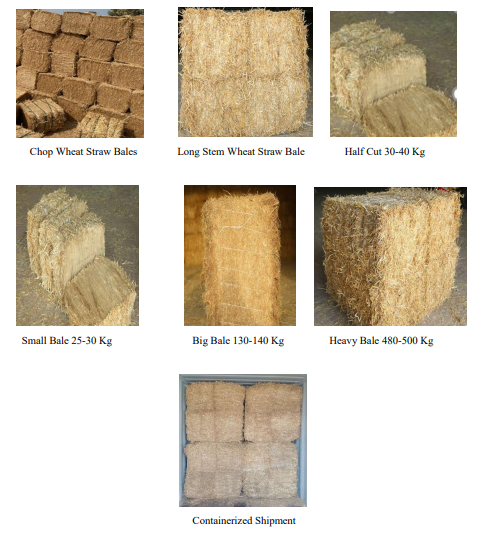
Wheat straw bales are made from stalks of wheat plants that remain in the field after the grain is harvested. Instead of burning this material, farmers collect and compress it into bales, which are easy to transport, store, and utilize. These bales are round or rectangular, depending on the machinery used. Wheat straw has less nutritional value compared to hay, but it is still an important source for protecting soil, feeding dairy animals, and supporting eco-friendly industries.
Straw is hollow, lightweight, and high in Fiber. It has low nutritional value compared to other animal feed; however, it is rich in lignin and cellulose, making it useful as roughage for dairy animals. Beyond feed, straw bales are also widely used as bedding for animals, mulch for soil protection, and as a raw material for various industries.
Wheat Straw in Animal Feeding
Wheat straw is used for dairy animals, especially sheep, goats, buffalo, and cattle. It provides energy but contains less protein compared to hay or green fodder. It plays an important role in maintaining the digestive system.
Farmers often mix wheat straw with concentrates, silage, or green fodder to provide a balanced diet. It is used with molasses or urea to improve the digestive system and make it healthier.
Benefits for Farming and Soil Health
Wheat straw bales are an important animal feed; they bring big value to farming practices. When used properly, straw improves soil fertility and structure. It is useful in dry areas and prevents soil erosion caused by rain and wind, helping farmers protect their land naturally. Another major benefit of using wheat straw is the return of organic matter. It releases nutrients like calcium, potassium, and small amounts of nitrogen back into the soil. This reduces the dependency on chemical fertilizers.
Role in Sustainability and Eco-Friendly Practices
In this century, sustainability has an important value. The role of wheat straw is important in farming practices. Instead of relying on synthetic inputs, farmers can use it as a natural resource.
- Waste Reduction
- Renewable Material
- Carbon Management
- Bioenergy
All these factors make straw bales an important part of sustainable farming and rural development.
Industrial Applications of Wheat Straw Bales
Wheat straw is important in many industries. In the construction field, straw bales are used as building material. Straw bales are important and known for natural insulation, reducing the carbon footprint of building. This straw is also used in mushroom cultivation, compost production, and the manufacturing of eco-products, plates, and boards. These innovative apps show how wheat straw cab replace material and contribute to economy.
Economic Importance for Farmers
Wheat straw has significant economic value for farmers as it provides many opportunities. Farmers can sell straw for mushroom cultivation, animal feed, biofuel industries, and paper production. Farmers can increase their earnings and strengthen sustainability. Due to its environmental and industrial uses, its demand has increased.
- Provides an additional source of income by selling
- Lowers farming costs
- Creates opportunities for small-scale businesses in rural areas
- Encourages efficient use of the crop.
Challenges in Using Wheat Straw
There are some challenges that farmers must face while handling wheat. The bulky factor of straw makes transportation costly, especially in long distances. Proper storage is also important to prevent moisture damage, as wet straw can develop mold and lose its usefulness.
Nutritionally, straw cannot replace high-quality feeds, so it should always be balanced with other ingredients in animal diets. Farmers need awareness and training on how to treat and use straw effectively.
Another challenge is creating large-scale industries and supply chains for straw-based products. While the potential is huge, investment and innovation are required to make these applications practical and profitable.
Overview
Wheat ranks among the most grown or cultivated crops worldwide. As its grain is harvested for food, the plant also leaves behind huge volume of straw, which is considered a crop residue. It is used for fuel, animal bedding or burned in fields to clear the land for next crop.
A closer look at its composition shows that wheat straw is more valuable than just a n agriculture byproduct. It has valuable Fiber and nutrients that supports soil enrichment, industrial applications and dairy animal’s feed.
This article explains the nutritional profile of wheat straw, its benefits, and how it can serve as a best hidden resource in modern agriculture.
Composition of Wheat Straw
Wheat straw consists of lignin, hemicellulose, and cellulose that are combined with each other or formation of plant. This is rich in Fiber and low in easily digestible grains. Thus, the nutrients in straw are important when farmers handle and use them in the proper or right method.
On average, the composition of wheat straw is as follows -values can vary, it depends on climate, soil, and variety):
- Cellulose: 35–40%
- Lignin: 12–16%
- Ash Content: 6–8%
- Hemicellulose: 20–25%
- Crude Protein: 2–4%
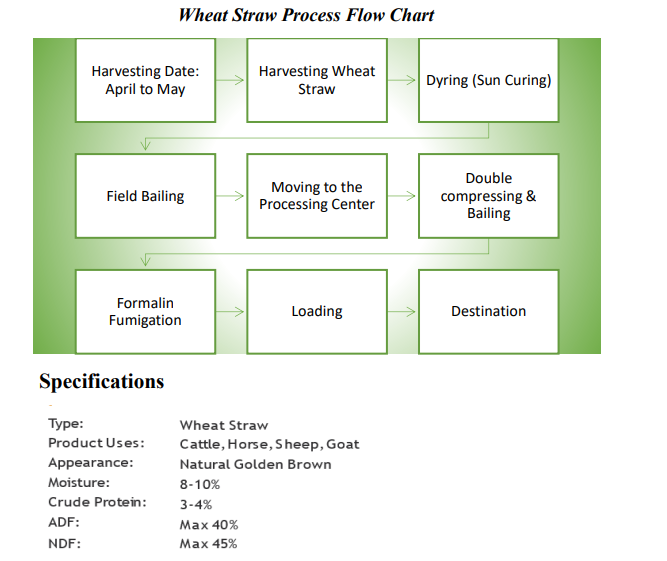
- Moisture: 8–12% (after drying)
Nutritional Elements in Wheat Straw
1- Crude Protein
Crude protein is one of the major nutrients found in wheat straw, however it has low level of crude protein- 2% – 4%. This level is lower than green fodder or legumes, but it still provides basic nitrogen for ruminant diet. However, this small ratio plays an important role in supporting microbes in rumen of buffalo, sheep and cattle. This rumen breaks Fiber and improves digestive system. Farmers can add urea with protein rich feed which is balance option for dairy animal diet.
2- Fiber Content
The high Fiber content makes wheat straw a good source of roughage for ruminants. Fiber supports proper digestion, stimulates rumination, and improves gut health in cattle. However, the presence of lignin makes part of the Fiber less digestible. Treatments like urea, ammonia, or microbial inoculation can improve its digestibility and energy availability.
Wheat straw contains Fiber, that is component of its nutritional composition. There are many types of Fiber present like lignin, cellulose, and hemicellulose. Hemicellulose and cellulose and give energy to animals like cattle and buffalo after microbes in the rumen break them down. But lignin does not digest and reduces the amount of energy animals get from the straw. Because of this, untreated wheat straw is not digested well. Farmer can chop wheat straw into small pieces-makes the Fiber easier to digest.
3- Minerals (Ash Content)
Wheat straw contains small but essential amount of minerals that are stored in its ash content. On average, it makes up about 6%-8% of total weight of straw. It includes magnesium, calcium, phosphorus, potassium, and silica that plays different role in soil fertility and animal health. These minerals are important for farming so farmers can add it with supplements. For example, adding salt licks or mineral mixtures in diet that balance the provided wheat straw.
4- Energy Value
Wheat straw still matters in animal diets as it provides filling and Fiber, even if its energy is low. It helps animals stay full, chew their food better, and keep their digestion in good condition. Wheat straw provides about 1.5 to 1.8 Mcal of energy in every kilo, but this amount is too low for high-producing cows or quickly growing cattle. It supports chewing and rumination, helps animals feel full, and keeps the digestive system working properly.
Importance of Wheat Straw in Animal Nutrition
Its significance includes:
- Maintaining Rumen Health
- Low-Cost Roughage
- Urea-Treated Straw
- Energy Dilution for Dry Cows
Wheat Straw as a Soil Resource
Wheat straw not only feeds animals but also returns nutrients to the soil. When wheat straw decays, it puts organic matter and nutrients such as potassium, calcium, and some nitrogen back into the soil. It will improve water retention, soil fertility, and microbial activity.
Key benefits for soil include:
- Improved Soil Structure
- Moisture Retention
- Carbon Sequestration
Beyond Feed and Soil: Industrial Uses
Wheat straw’s nutritional and structural composition also makes it valuable in non-agricultural industries. Its high cellulose content is suitable for producing biofuels, paper, biodegradable packaging, and even as a raw material in the glass and ceramic industries. By utilizing its fibrous and mineral content, industries can reduce dependency on wood and fossil fuels.
Challenges in Utilizing Wheat Straw
While wheat straw has many benefits, certain limitations restrict its direct use:
- Low Digestibility
- Nutrient Deficiency
- Handling and Storage
- Burning Practices
Overview
Each year, farmers across the world harvest millions of tons of wheat to feed the growing population. Wheat grains are used as food, but the leftover stalks, called wheat straw, often become a problem to deal with. In several farming areas, straw is often set on fire in the fields as a quick way to prepare the land for the next crop.
In many regions, farmers burn this straw in the fields to clear land for the next crop, but by doing this, they lose a valuable resource, and this practice not only wastes a useful resource but also causes severe air pollution, soil damage, and greenhouse gas emissions. A valuable by-product that can be derived from wheat straw is wheat straw ash (WSA), which is produced through controlled burning or heat treatment.
Agriculture Industry and Researchers
The agricultural industry and researchers have concluded that WSA has compounds like silica, calcium, and potassium, which make it useful for sustainable products and processes. In this post, we will explain how wheat straw ash is produced, its characteristics and properties, and the wide range of applications that turn it from waste into value.
Getting to Know Wheat Straw Ash
Wheat straw ash is a fine, gray powder that remains after wheat straw is carefully burned under controlled conditions. Instead of burning straw openly in the fields, which damages the environment, as stated above, carefully burning it in furnaces, boilers, or biomass plants allows safe collection of the ash.
The major components of wheat straw ash include:
- Silica (SiO₂)- A combination of cement, ceramics, and glass.
- Potassium and Calcium- Soil improvement and important for fertilizers
- Carbon Content –In some cases, it adds potential for energy recovery.
Applications of Wheat Straw Ash
1- Cement and Concrete Industry
WSA is mostly used in construction materials, which improves durability, strength, concrete, and resistance to chemicals. Industries lower carbon emission, promotes friendly environment, lower carbon emissions, and reduce costs.
Advantages of cement and concrete include:
- Stronger Concrete
- Cost Savings
- Improved Chemical Resistance
- Waste Utilization
2- Bricks and Lightweight Blocks
Wheat straw ash can be used in making bricks and lightweight blocks, helping reduce reliance on traditional construction materials. When added to clay or cement, the ash reduces the weight of the bricks without compromising their strength. This light material is easy to handle, transport, and install, making construction more efficient and faster. It helps to maintain better temperature control and improves the properties of insulation. It gives value to agricultural waste and supports eco-friendly construction practices.
Advantages include:
- Lower energy use during production.
- Easier transport and construction.
- Improved insulation properties
3- Soil Improvement and Fertilizer
Wheat straw is useful in the construction field, but also important in agriculture. Rich in nutrients like calcium, potassium, and trace minerals, it is used as a natural soil conditioner. When spread on fields, wheat straw ash balances the soil, enriches its nutrients, and holds water better, leading to stronger and healthier crops. Farmers can use it as an alternative to fertilizers, reduce dependency on synthetic products, and promote sustainable farming practices.
Key benefits for agriculture:
Balances Soil pH: Helps neutralize acidic soils for better crop growth.
Improves Fertility: Adds essential nutrients like potassium and calcium to the soil.
- Enhances Water Retention
- Reduces Chemical Fertilizer Use
- Recycles Agricultural Waste
- Supports Sustainable Farming
4- Biofuel and Energy Generation
Wheat straw is an important and widely recognized source of biomass energy, and its ash plays a valuable role in energy-related applications. When wheat straw is burned, it can be used efficiently to generate energy. For example, it is mixed with coal or other fuels to reduce waste and improve combustion.
- Renewable Energy Source
- Reduces Waste
- Enhances Combustion
- Environmentally Friendly
- Supports Rural Economy
- Sustainable Energy Practices
5- Glass and Ceramic Industry
Wheat straw ash is an important material for ceramic and glass production, and industries may use it as a partial substitute for sand in the making of glass. In ceramics, ash improves thermal stability, durability, and strength.
Benefits include:
- Rich in Silica
- Reduces Resource Use
- Cost-Effective
- Improves Strength and Durability
- Supports Eco-Friendly Manufacturing
- Thermal Stability
- Eco-Friendly Construction Materials
- Paper and Pulp Industry