
Overview
Maize silage is one of the important green feeds for beef cattle and dairy animals all over the world. It is important due to its palatability, high energy content, and consistent yield. Although maize silage is not considered a high-protein feed item compared to legumes, its protein content plays an important role in supporting milk production, overall health performance, and animal growth. Maize silage protein content helps us improve dairy animal productivity and design a balanced ratio.
What Is Maize Silage?
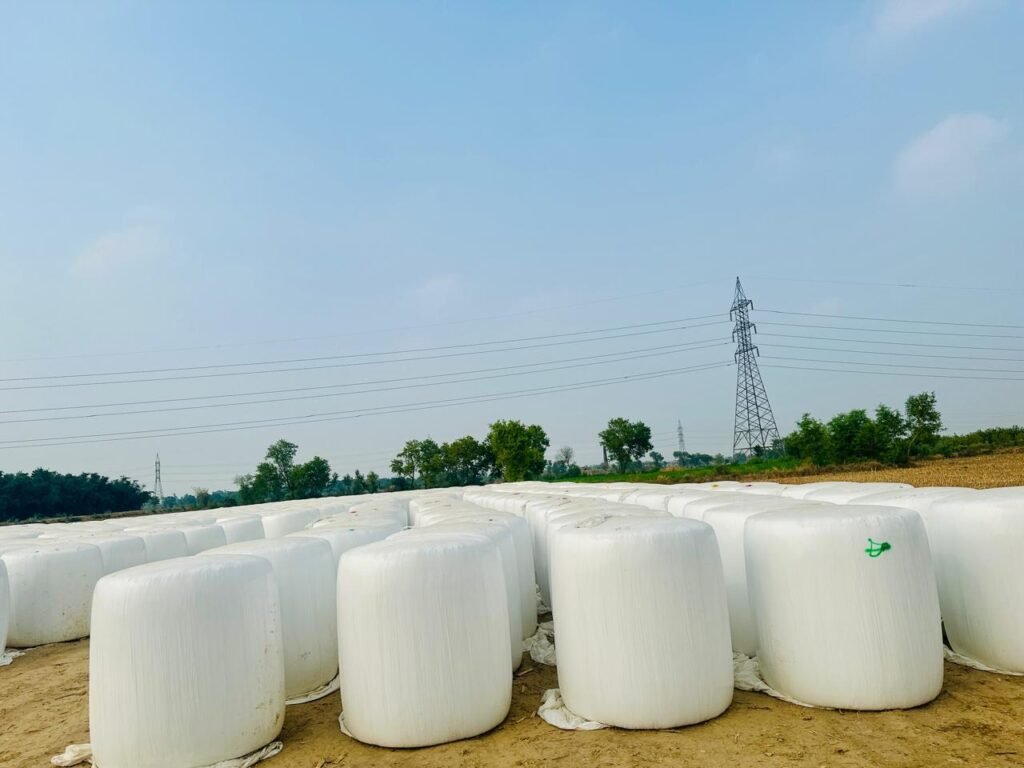
Maize silage is produced by harvesting the whole maize plant, including leaves, stalks, and ears- but at the right stage of maturity. It survives through anaerobic conditions. This method provides a stable feed source and helps retain nutrients throughout the year. Maize silage is known to supply energy from digestible Fiber and starch.
Maize Silage -Average Protein Content
The crude protein content of maize silage varies from 7% to 9% on a dry matter. In some cases, it varies from 6% to 10% but depends on factors like nitrogen fertilization, soil fertility, ensiling practices, and, most importantly, harvest timings.
If we compare it to legume feed like clover or alfalfa that contains 16-20% crude protein, maize silage is low in protein. Its protein is highly digestible and used as a supplement with other feed items.
Factors Affecting Protein Content in Maize Silage
Maize silage has low crude protein, varying from 6%-10% dry matter. It is influenced by a combination of management, environmental, and agronomic factors.
- Nitrogen (N) Fertilization: Applying organic fertilizers or nitrogen that increases the CP level in the whole plant. Higher nitrogen directly increases protein synthesis.
- Harvest Maturity: Crude protein focuses on the early growth stage, which declines plant matures. It happens because grain contains a larger portion of biomass over time.
- Plant Population: High density may lead to a reduction in protein content with full digestibility.
- Genetic Variation (Hybrids): Different maize hybrids have potential for protein content that is based on genetics. Some quality protein varieties are bred for better amino acid profiles.
- Drought and Heat Stress: Drought-stressed maize often shows higher protein concentrations. It occurs as stress may severely limit grain development, leaving leaves and stalks, as it contains more protein.
- Regional Climate: There are some differences, like growth period and growing season length may cause protein variations in the same hybrid.
- Ensiling Process: Fermentation converts true protein into non-protein nitrogen and ammonia.
- Additives: Some common methods are used to boost the crude protein content, which increases by 11-12%.
- Moisture Content: Maize silage that is stored for a long time has higher protein, which also reduces the amount of bypass protein.
- Maize variety: Different maize hybrid has different protein levels.
Protein Quality and Rumen Degradability
Protein is mostly rumen-degradable protein (RDP). It means it breaks down in supplies and rumen nitrogen to microbes, supporting microbial synthesis. The protein in maize silage is mostly rumen-degradable protein (RDP). It is important for dairy cows. It is also used with protein supplements like canola meal, soybean meal, cottonseed cake, or legume feed to fulfill protein needs.
Role of Maize Silage Protein in Animal Performance
Although maize is not a basic protein source, its contribution must not be underestimated. It is merged with:
- Improved feed intake due to good palatability
- Efficient rumen fermentation
- Stable milk production in dairy cows
- Better weight gain in beef cattle
- Reduced feed costs due to high yield per hectare
Improving Protein Utilization from Maize Silage
Farmers know how to enhance protein efficiency by:
- Choosing silage-specific maize hybrids
- Applying balanced nitrogen fertilizers
- Harvesting at the optimal moisture level (32–35% dry matter)
- Using silage additives to reduce protein degradation
- Balancing rations with appropriate protein supplements
Maize silage is based on 2 approaches that improve protein content in the crop itself and optimize its availability in the diet with complete supplementation.
Pre-Harvest & Ensiling Strategies
- Optimal Nutrition
- Hybrid Selection
- Harvest Timing and Processing
- Inoculants
- Protein Supplementation:
- Natural Protein Sources: Alfalfa hay or silage, soybean meal, linseed cake, and dried distillers’ grains with soluble (DDGS) are effective natural protein supplements.
- Urea (NPN): Feed-grade urea can be added as a non-protein nitrogen (NPN) source to supply nitrogen for rumen bacteria to synthesize microbial protein. This can increase crude protein equivalent but requires careful mixing and has a narrow safety margin.
- Forage Blending: Blend it with high protein feed items like legumes or ryegrass to balance the diet (e.g., soybean, lablab). It has 70% maize silage, and 30% ryegrass blend has shown optimal performance in some cases.
Diet Formulation: You can consult with an animal nutritionist for a better growth rate and milk production.

Muhammad Arif CEO, MBA in Finance and Marketing from South Korea University. Result-driven Chief Executive Officer with over 15 years experience leading and increasing growth in businesses. Starting from the scratch, launching and leading increasing in revenue in the three businesses in animal feed and food exports, and renewable energy in Pakistan. Particularly, having plentiful experience on East Asia and Middle East markets, and working with multinational organizations including the UN.

Recent Comments