
Overview
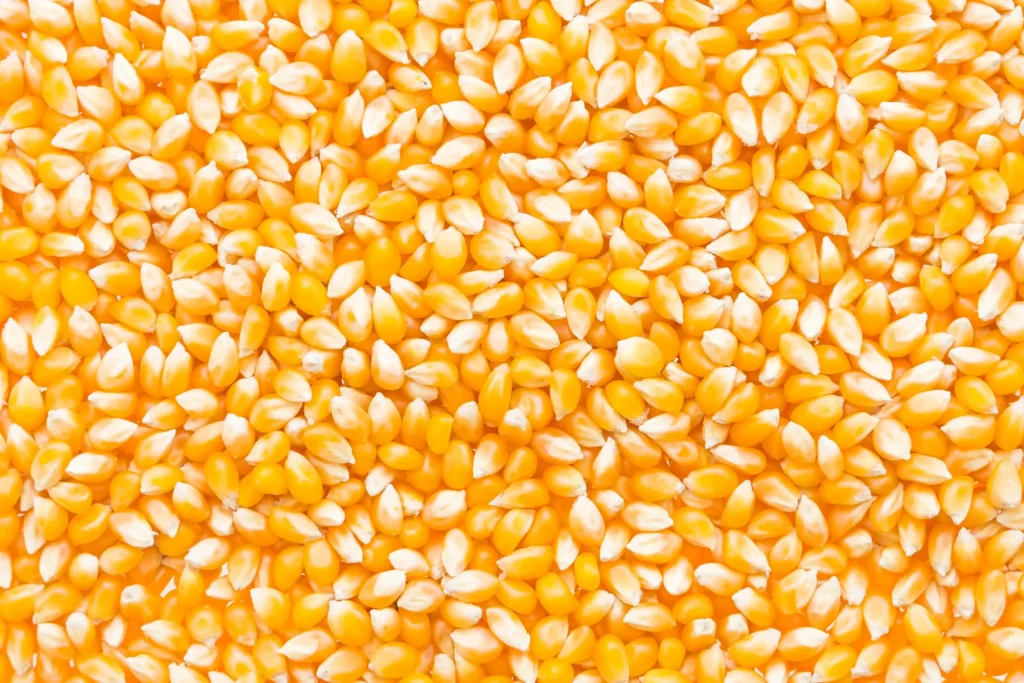
Maize is also known as corn, which is most cultivated grains and originated in the Americas thousands of years ago. Maize is a staple food for millions of people in Latin America, Asia, and Africa. It is versatile and eaten fresh in processed form like flour, grits, cornmeal- making it an important ingredient in our diet but also in the dairy animal feed industry.
As maize grain provides calories and energy, its nutritional profile has unlimited properties. In this post, we’ll explain how it is important for human health and why it is considered best as a balanced diet. Maize is a rich source of protein, Fiber, and essential micronutrients like iron, zinc, magnesium, vitamins B, and antioxidants (beta-carotene, lutein, zeaxanthin). Its diverse phytochemicals provide multiple benefits, like vision-protective, cardioprotective, and anti-inflammatory. But all depends on the maize variety (white or yellow).
1- Macronutrients in Maize Grain
a) Carbohydrates: The Primary Energy Source
Maize or corn grain is rich in carbohydrates (Starch), which makes up 70-80percent of its dry weight. It is the main form of starch which provides sustainable energy and is easy to digest. Maize is rich in carbohydrates which is an excellent source of fuel for daily activity- specially in regions where Labor is available all the time. It contains a significant amount of protein, fats/oils with sugars, Fibers, and important minerals like potassium and phosphorus. Whole maize contains Fiber and merges with starch, which helps maintain stable blood sugar levels and slows digestion.
b) Protein: Supporting Body Functions
Maize contains 8-12 percent protein, as it is added to animal products or legumes, maize proteins supply important amino acids. However, maize is relatively low in tryptophan and lysine (2 amino acids), which are important for human health. For this reason, populations that depend on maize, as it is paired with peas, beans, and animal proteins.
c) Fat: Small but Significant
It has moderate fat content-usually 3-5% whole grain form. These fats are healthy, including acids like linoleic acid. It supports hormone production, nutrient absorption, fat-soluble vitamins, and cell structure.
2- Fiber: Supporting Digestive Health
One of the strongest nutritional benefits of whole maize grain is its Fiber content-7-10 grams/100 grams. Fiber plays an important role in promoting regular bowel movements, healthy digestion, feeds beneficial gut bacteria, controls blood sugar, and weight management. Refined corn items like degerminated or syrup lose Fiber and make them superior.
3- Vitamins in Maize Grain
Maize has multiple vitamins (water-soluble & fat-soluble) that make it rich in micronutrients.
a) B-Vitamins
Maize is rich in Vitamins b1(Thiamine), Vitamin B3 (Niacin), Vitamin B5(Pantothenic acid), Vitamin B6 (Pyridoxine) and Folate (Vitamin B9). It supports metabolism, neurological health, and energy levels.
b) Vitamin E
It supports the immune system and supports skin health like vitamin E functions.
4- Minerals: Essential Micronutrients
Maize provides multiple minerals for body functioning:
- Magnesium based in nerve and muscle function, bone health, and energy production.
- Phosphorus – important for DNA synthesis and bone structure.
- Potassium – important for fluid balance and heart health.
- Zinc – supports wound healing & immune function.
- Iron – needed for oxygen transport in blood.
Although the levels vary by maize variety and processing method, having whole maize often improves mineral intake compared to refined products.
5- Phytonutrients and Antioxidants
Beyond traditional nutrients, maize has phytonutrients- compounds that provide many health advantages.
a) Carotenoids
Maize is high in carotenoids like Lutein, Zeaxanthin, and Beta-carotene. It is linked and important for eye health to reduce cataracts and macular risk.
b) Phenolic Compounds
These compounds or antioxidants help reduce stress and inflammation in the body. As per a study, diets rich in phenolic antioxidants can decrease the risk of cancer, cardiac arrest, and heart attacks.
6- Glycemic Index and Blood Sugar Response
Maize has a moderate glycaemic Index, which means blood sugar at low rate that indicating snacks or bread. It is perfect or good for managing blood sugar control, so it is good or manageable for metabolic or diabetes especially when combined with fats and proteins.
7- Nutritional Differences by Maize Type
a) Yellow Maize
b) White Maize
c) Blue & Red Maize
d) Sweet Corn
8- Multiple Health Benefits
- Energy & Sustained Fuel
- Digestive Wellness
- Eye Health
- Antioxidant Protection
- Blood Sugar Management
- Bone & Heart Health
9- Maize in Diets Around the World
Maize is central to many traditional cuisines:
- Africa: Ugali, nshima, pap
- Latin America: Tortillas, tamales, arepas
- South Asia: Makki ki roti
- USA & Canada: Cornbread, grits, popcorn

Muhammad Arif CEO, MBA in Finance and Marketing from South Korea University. Result-driven Chief Executive Officer with over 15 years experience leading and increasing growth in businesses. Starting from the scratch, launching and leading increasing in revenue in the three businesses in animal feed and food exports, and renewable energy in Pakistan. Particularly, having plentiful experience on East Asia and Middle East markets, and working with multinational organizations including the UN.

Recent Comments