
Applications of Wheat Straw Ash – Turning Waste into Value
Overview Each year, farmers across the world harvest millions of tons of wheat to feed the growing population. Wheat grains are used as food, but the leftover stalks, called wheat straw, often become a problem to deal with. In several farming areas, straw is often set on fire in the fields as a quick way...
Corn Silage vs Maize Silage: Understanding the Difference
Overview Many people often think maize silage and corn silage are different, but they’re the same feed—just known by different names depending on the region. People in North America usually call it corn, but in Europe and other places, it’s known as maize. “Corn” is commonly used in North America, while “maize” is the preferred...
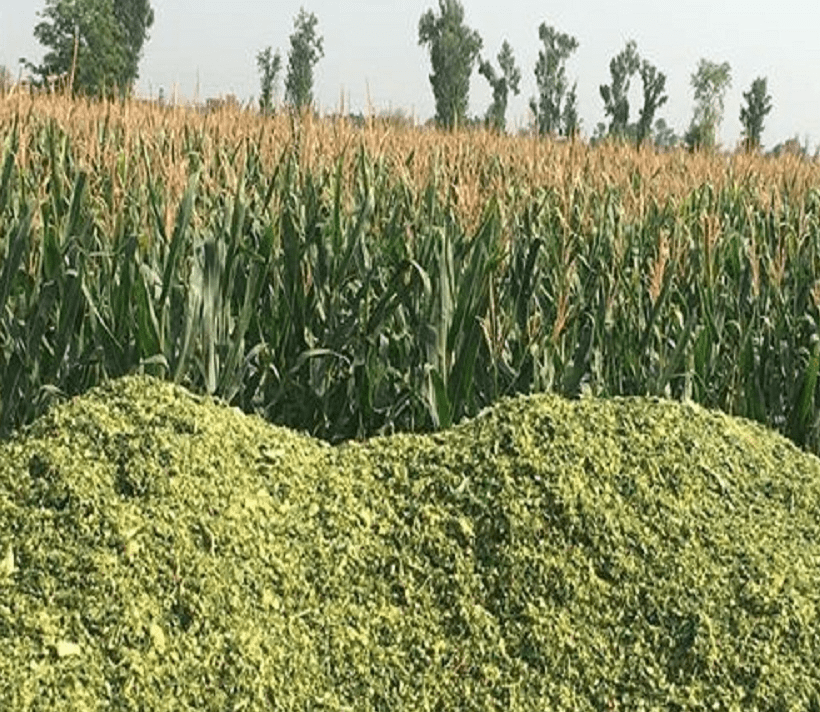
What is Corn Silage- Cultivation to Feeding for Farmers
Overview Corn silage is an important animal feed made by forming corn plants, including its leaves, stalks, cobs, and grains. Farmers like to use it due to its nutrients and rich in energy. It provides a mixture of digestible content and Fiber required for milk production, growth, and overall health. Instead of drying like other...

Investment Conference Beijing 2025 – Saremco International Leads Pakistan’s Agricultural Delegation
On September 4, 2025, the Pakistan Embassy in Beijing, in collaboration with its consulates throughout China, will host the second Pakistan Conference in the Chinese capital. The event will be opened by the Prime Minister of Pakistan, who will also deliver an address, with senior ministers and top officials expected to take part. He will...
Nutritional Benefits & Feeding Strategies of Rhodes Grass Hay for Beef and Dairy Cattle
Rhodes grass hay (Chloris gayana) is one of the commonly used forages and is valued as a flexible and nutritious feed choice. Raising farm animals, especially beef and dairy cattle, depends a lot on having good-quality feed. Because it grows well in almost all climates, produces forage, it is widely used for feeding cattle around...
From Field to Feeder: Using Corn Silage for Goats
While corn silage is widely valued as a nutrient-rich, high-energy feed for livestock, its benefits for goats are underestimated. From harvesting the corn to feeding it to goats, handling silage carefully can improve their growth, milk production, and health. By knowing how to prepare, store, and feed corn silage correctly, farmers provide goats with a...
Best Practices for Using Corn Silage in Dairy Cow Diets
Corn silage is one of the major feed components for dairy cows due to its cost-effectiveness, good digestibility, and high-energy content. If managed properly, it will provide a nutrient-rich and consistent feed source that supports milk production and the overall health of cows. Corn silage’s actual value in dairy nutrition comes from both proper production...
Corn Silage Bales: An Efficient Feed Storage Solution
Corn silage is one of the most important forages for farmers around the world. Its easy digestibility, rich energy value, and role in maintaining balanced performance make it essential in both dairy and meat production. In the past, corn silage was stored in silos, piles, or bunkers —an approach that involves management and substantial infrastructure...
How to Store Corn Silage to Preserve Nutritional Value?
Corn silage is one of the most important feed resources for dairy and beef cattle, as well as horses. It provides balanced nutrition that is essential for animal performance. However, its quality depends on how it is stored after harvest. Poor storage practices can lead to spoilage, reduced feed quality, and nutrient loss. This article...
From Field to Silo: Understanding the journey of Average Corn Silage Yield Per Acre
In modern farming or animal feed production, corn silage is considered an important feed resource, providing an optimal balance of Fiber and energy for both beef and dairy animals. Every ton of silage is due to a careful process that starts in the field and ends with secure storage in the silo. The average corn...
Author

Recent Comments