
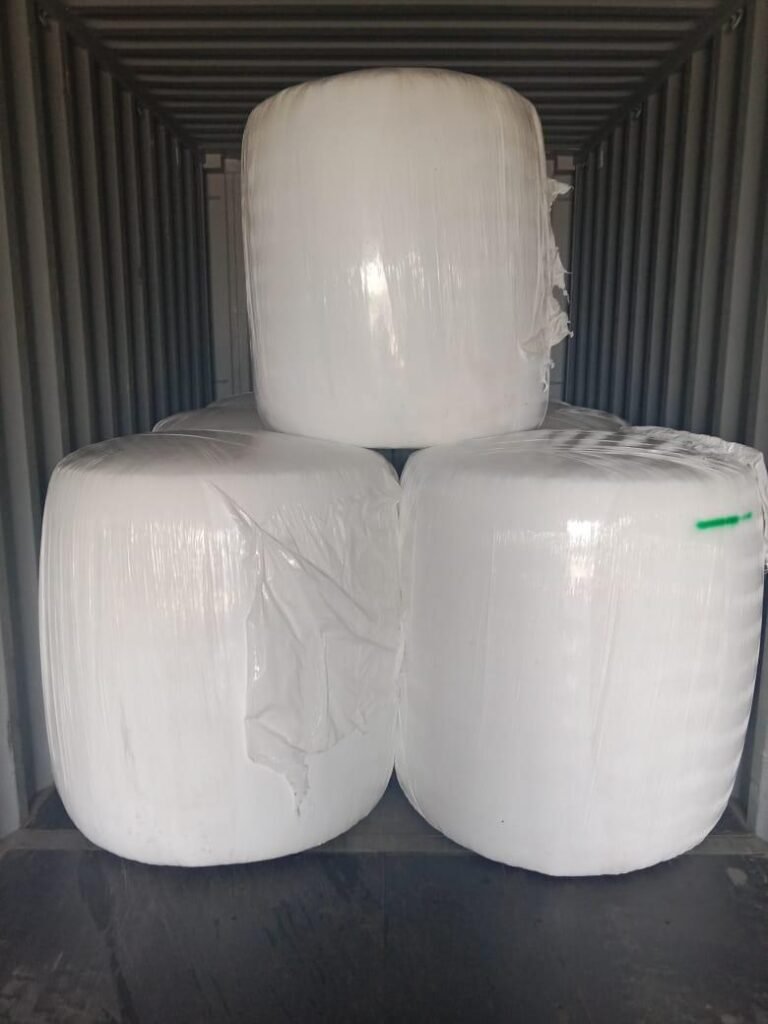
Overview
Maize is one of the most important cereal crops in Pakistan after rice and wheat. The maize crop plays a crucial role in our agricultural sector, supporting animal feed, industrial uses, and food security. Knowing about the maize crop season in Pakistan helps us in planning cultivation properly.
Why is Maize Silage Important in Pakistan?
Maize is a versatile crop that is used for dairy animal feed, human consumption, and industrial purposes like glucose, starch, and corn. Due to increasing demand and high-yield potential, maize has expanded in Pakistan over the last many years, especially in Khyber Pakhtunkhwa and Punjab.
Maize Crop Seasons in Pakistan
In our country (Pakistan), maize is grown in 2 main seasons, which have different cultivation practices and climate requirements:
1- Spring Maize (Autumn Harvest)
The spring season starts in the month of Feb and continues till March, while harvesting is done in June & July. It is practiced in Punjab and some areas of Khyber Pakhtunkhwa.
Spring maize needs warm weather for growth and moderate temperatures during germination. Proper irrigation is important because rainfall is limited in this season. Farmers prefer hybrid maize varieties in this season with full potential.
2- Autumn Maize Season in Pakistan
The autumn maize season remains in the duration of July to August, and this crop is harvested in October -November. As you know, this season has had good rainfall that is enough and reduce irrigation costs. But the excess in rainfall can also damage crops’ health, we need proper pest control and field management.
3- Climatic Requirements for Maize
Maize grows in summer when the temperature is 18 degrees centigrade to 30 degrees centigrade. It requires enough rainfall or proper irrigation in this month. Waterlogging and frost can damage crops, especially in the growth stage.
4- Soil Requirements
Maize performs well in loamy soil when the pH range is 6 to 8. Fields with proper drainage and good organic matter produce a good yield. Land preparation must include deep plowing and root development.
Sowing and Harvesting Time
| Season | Sowing Time | Harvesting Time |
| Spring Maize | February – March | June – July |
| Autumn Maize | July – August | October – November |
Major Maize Producing Areas
The major maize-producing provinces in Pakistan include:
- Punjab (Sahiwal, Okara, Faisalabad)
- Khyber Pakhtunkhwa (Mardan, Swabi, Peshawar)
- Sindh (limited areas)
- Gilgit-Baltistan (small-scale farming)
Requirements for Successful Maize Production in Pakistan
Maize in Pakistan is cultivated in different climate zone that makes it highly productive and flexible. Farmers should grow it in 2 seasons as mentioned above- it allows maize for feed, food, and industrial use- each is according to different regional and weather conditions. Farmers prefer spring due to grain quality, no risk of diseases, and demand in the market. To obtain maximum yield, we need a proper and timely irrigation system.
Quality Seed Selection
We use high-quality and certified seed, which is important for successful maize production. Hybrid varieties is also preferred in Pakistan that their uniform size of grain, disease resistance, and higher yield potential.
Seeds should be:
- Disease-free
- High germination rate
- Suitable for the local climate and season
Why Follow Proper Maize Production Requirements?
Need to follow proper maize production that increases revenue, maximizes yield, reduces environmental impact, and produces good quality grain. Here, farmers need to face minor and big challenges like nutrient deficiencies, diseases, and pest control. Timely planting is important, like grain filling, flowering, which is linked with the weather.
You need to follow some correct requirements for producing maize that provides many benefits:
- Higher yield per acre
- Improved grain quality
- Reduced production risks
- Better market prices
- Sustainable farming practices
Muhammad Arif CEO, MBA in Finance and Marketing from South Korea University. Result-driven Chief Executive Officer with over 15 years experience leading and increasing growth in businesses. Starting from the scratch, launching and leading increasing in revenue in the three businesses in animal feed and food exports, and renewable energy in Pakistan. Particularly, having plentiful experience on East Asia and Middle East markets, and working with multinational organizations including the UN.
Recent Comments