
Overview
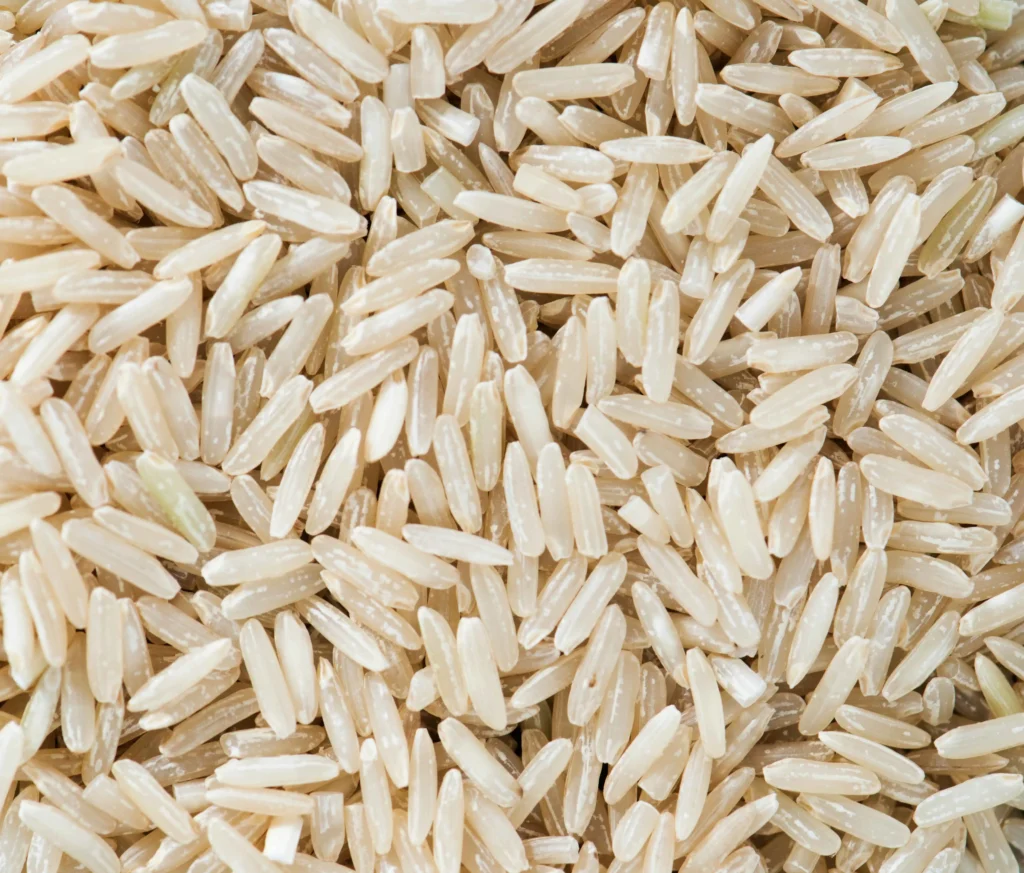
Rice grain is one of the most widely exported agricultural commodities in the world. Rice grain is one of the most important food crops in the world. From households to hotels, and from the domestic market to international exports, rice plays a crucial role in the agricultural economy and food security. Due to its importance, rice grain has gained value for exporters, importers, millers, traders, and consumers.
If you are a consignee, buyer, exporter or shipping, wholesaler, or food processor, know all about current prices of grain that is important to make profitable and good purchasing decisions. At Saremco Agri Commodities, rice grains are sourced directly from mills and farms to ensure a reliable supply, good quality, and affordable rates.
Importance of Rice Grain in the Global Market
Rice is grown in many countries in the world; Asia is the largest consumer and producer and dominates the global price. It is also a key source of income for farmers. Even a small change can affect its agricultural revenue, domestic budget, and food inflation.
Factors Affecting Rice Grain Price
Its price varies as per different factors at both the domestic and international levels:
1- Production and Yield
Rice prices depend on the crop’s production. A good harvest with top quality yield remains stable or lower cost; however, pests, floods, or droughts can increase prices.
2- Weather and Climate Conditions
As you are familiar with the fact that rice is a water-intensive crop. Heavy rainfall, monsoon patterns, or any climate change can impact the cultivation of rice. Extreme weather can result in increasing prices or a shortage of supply.
3- Demand and Consumption
Increase in orders that depend on rice consumption or population growth. Increased export orders can also increase prices with their different varieties.
4- Export and Import Policies
Policies like import duties, export restrictions, price control, or subsidies play an important role. Changes in export regulations by many rice-producing countries also impact on global price of rice.
5- Transportation and Storage Costs
Handling costs, storage facilities, and fuel costs also affect the market price, especially export-quality rice.
Rice Grain Price Trends
In 2025, global rice prices have shown volatility due to:
- Climate-related production challenges
- Changes in export policies
- Increased global demand
- Rising input and transportation costs
How Buyers Can Take the Best Rice Grain Price
- Buy during peak harvest seasons
- Compare prices from multiple suppliers
- Select the right variety based on market demand
- Ensure proper quality checks to avoid losses
- Consider long-term supply contracts for price stability
How Farmers and Sellers Can Maximize Value
- Focusing on quality improvement
- Proper drying and storage to reduce losses
- Selecting high-demand rice varieties
- Checking market trends before selling
Current Rice Grain Price Overview
The price of rice grain depends on several factors such as variety, grain length, moisture level, broken percentage, origin, and order quantity. Market prices may vary daily based on local and international demand.
Average Rice Grain Price Range
- IRRI-6 Rice: Available at the best export price
- Super Basmati Rice: Premium cost due to long grains and aroma
- PK-386 / Long Grain Rice: Mid-range pricing suitable for bulk buyers
- Broken Rice: Lower-cost option for animal feed and industrial use
Factors Affecting Rice Grain Price
Several key factors influence rice grain pricing in domestic and international markets:
- Rice Variety & Quality Grade
- Harvest Season & Crop Yield
- Moisture Content and Broken Percentage
- Packaging Type (bags or bulk)
- Freight Cost
- Depends on Order Volume (Bulk orders receive better rates)
Our Rice Grain Quality Specifications
- Clean and well-milled grains
- Low moisture content
- Uniform grain size
- Free from impurities and foreign matter
- Suitable for human consumption and processing
Packaging Options Available
- 25 kg bags
- 40 kg bags
- 50 kg bags
- Bulk container loading
Why Choose Saremco Agri Commodities for Rice Grain Supply?
- No export documentation Issue
- Competitive rice grain prices
- Consistent quality & bulk availability
- Timely delivery

Muhammad Arif CEO, MBA in Finance and Marketing from South Korea University. Result-driven Chief Executive Officer with over 15 years experience leading and increasing growth in businesses. Starting from the scratch, launching and leading increasing in revenue in the three businesses in animal feed and food exports, and renewable energy in Pakistan. Particularly, having plentiful experience on East Asia and Middle East markets, and working with multinational organizations including the UN.

Recent Comments