


Overview
First, we can say that Wheat hay (cereal hay) and grass hay differ in their function such as usage, Fiber, and nutrient density. Grass hay has less energy and protein for maintenance. Wheat hay has energy and low digestibility compared to other grasses (48%-59%). Wheat hay (a cereal hay) and grass hay differ primarily in their nutrient density, Fiber, and usage. In this article, we’ll describe how it differs with each other.
Wheat Hay
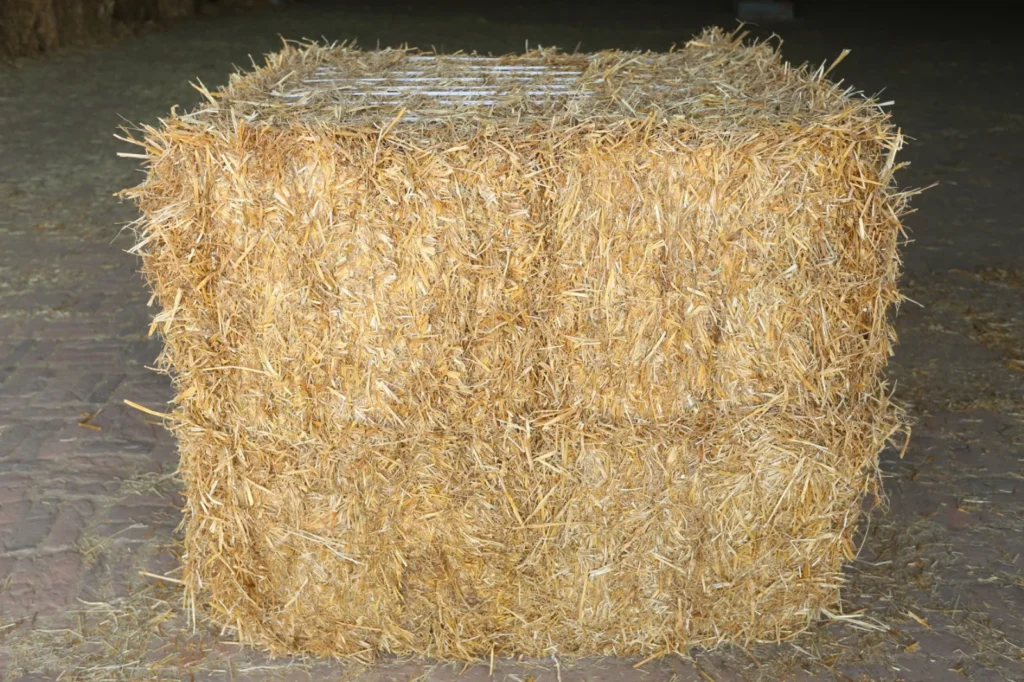
Wheat hay is a high-fiber feed produced by cutting the whole wheat plant at the initial stage. It serves as a versatile, sustainable, and economical feed item. It is considered the best and high Fiber produced by the cutting plant with techniques like cutting it at an early stage. It is good for sheep and cattle. Wheat hay is produced from this plant when the grains turn into a shape or form. Instead of harvesting crops for grain, farmers cut them and produce hay. This type is used in areas that are widely grown. Farmers want to utilize the crop for fodder and grain purposes.
Wheat hay contains moderate levels of protein, which depend on the stage when the crops are ready for harvesting. If farmers plan early harvesting, then as a result, wheat hay provides better digestibility and higher protein. If harvesting is in the late stage, then it becomes less digestible for dairy animals. Dairy animals like sheep, goats, and cattle consume wheat hay effectively. It will provide better digestion for dairy animals. But when you compare it with grass hay, then it will have high stem content that can reduce palatability.
Another benefit of wheat hay is its availability in regions where wheat is cultivated then farmers must be careful regarding damages issue of crop. Another benefit of wheat hay is its availability. In some regions, wheat is cultivated, and farmers can save their crop from losses. It is an affordable feed source for lower and middle-level farmers. Wheat hay has its own limitations. It contains a lower protein level compared to legume hay. Thus, animals need more protein supplements to increase productivity and manage growth.
Grass Hay
Grass hay is prepared from hay that is cut, dried, and baled to serve dairy animals like goats, horses, and cattle. It is important for animals in the winter season. Some types are clover, alfalfa, Rhodes grass, and timothy. Perfect quality hay is green, tender, and of extremely fine quality.
Grass Hay provides consistent nutritional value if harvested at the proper stage. This task is now easier due to recent technological advances, and trained farmers understand all techniques and best practices. Grass contains moderate protein levels and essential minerals for the support of animals. Nutritional quality depends on soil fertility, grass species, and grass maturity.
Grass hay is suitable for horses, sheep, cattle, and goats. It is special as it will provide a protein level that can cause digestive issues. Farmers know that grass hay is flexible in production. It is grown in soil conditions and can bear all climates, so it is available in all over the world. Proper practices like fertilization, harvesting, and good storage improve the quality of grass hay.
Goss hay is also popular due to its soft texture and good aroma that will increase palatability. Animals also prefer grass hay that increases intake, encourages high food and better performance of animals. Make sure its harvesting time is a critical point because if it is harvested late then it affects quality, and excess rain can cause nutrient loss.
There are many hay varieties, including cereal grass hay, legume hay, grass hay, mixed hay, timothy, orchard grass, bromegrass, Fescue, Ryegrass, bluegrass, meadow hay, and legume hay.
Nutritional Differences
The basic difference between wheat hay and grass hay in the nutritional composition. Wheat hay contains a high Fiber level but has thicker stems of the plant. Grass hay depends on the species that can balance digestible nutrients and the balance of Fiber.
Protein level is equal and balanced in both categories of hay; you can say it depends on harvesting time. As you know, young plants have high energy and protein. Mineral content also differs in both wheat and grass hay. It has a higher level of minerals that depend on the fertilization process and soil conditions.
Uses in Livestock Feeding
Wheat hay is used for dairy animals like sheep and cattle. It is also added with supplements to provide balance diet. In these regions, farming is economical.

Muhammad Arif CEO, MBA in Finance and Marketing from South Korea University. Result-driven Chief Executive Officer with over 15 years experience leading and increasing growth in businesses. Starting from the scratch, launching and leading increasing in revenue in the three businesses in animal feed and food exports, and renewable energy in Pakistan. Particularly, having plentiful experience on East Asia and Middle East markets, and working with multinational organizations including the UN.