


Overview
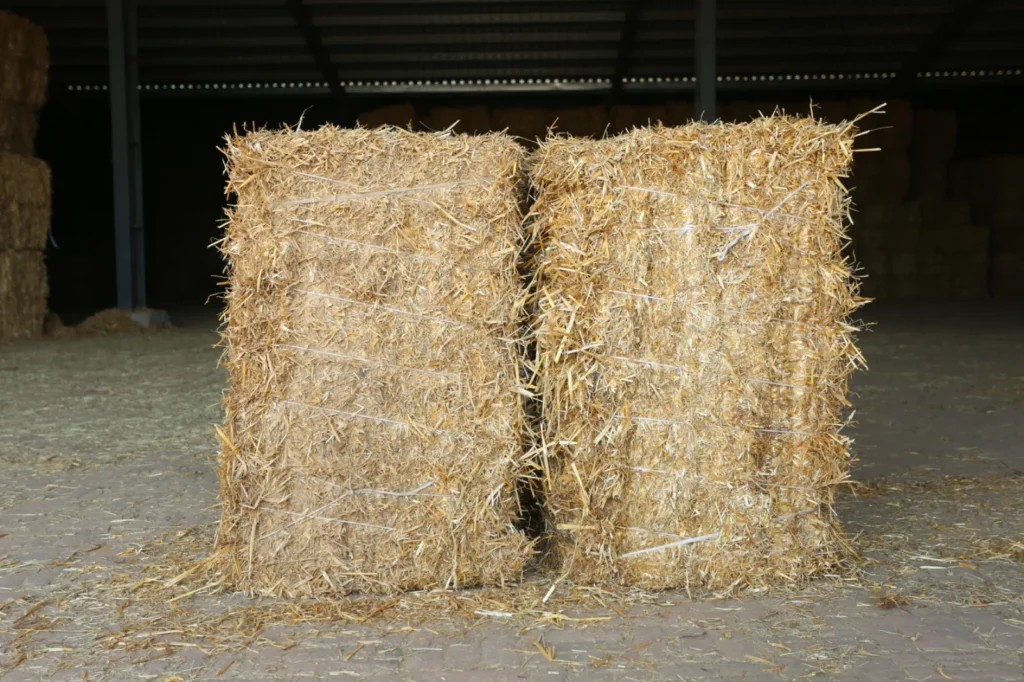
Rice straw is the dry stalk left after rice is harvested. It is considered waste, but rice straw is an important resource with economic and practical uses. Every year, millions of tons of rice straw are produced worldwide, especially in Pakistan, China, and South Asia, where rice is grown in bulk. Instead of burning or discarding it, industries, agricultural companies, and farmers are now searching for eco-friendly and innovative methods to use rice straw. In this post, we have explored the major uses of rice straw, and it contributes to rural development and the agricultural sector.
Animal Feed and Livestock Bedding
Optimal dairy animal management depends on high-quality bedding for health and comfort; it is also paired with other feed to maximize production. Common bedding includes straw, shavings, sand, and popular feedstuffs like corn silage and hay. Dry, effective, and clean bedding also reduces diseases, which is important for energy for pigs, poultry, and cattle.
It is most common in dairy animal farming for buffalo, sheep, and goats. However, it is also important to support the digestive system of animals. Farmers also mix it with fermentation, molasses, and urea for the improvement of nutrient content. It becomes more beneficial and palatable for animals. Rice straw is used as animal bedding, and it provides a dry and soft surface that absorbs moisture, helping maintain hygiene in sheds and barns.
Mushroom Cultivation
Rice straw is a sustainable substrate and an excellent choice for cultivating edible mushrooms that contain Oyster and paddy mushrooms, which are made by utilizing rice harvesting. This process is based on soaking, layering, and pasteurizing, a 7-15 day incubation period in high temperatures (30-35 degrees centigrade) and humidity (80-90%). Rice straw is an excellent medium for mushroom farming, especially varieties like straw mushrooms, and organic composition supports growth. Farmers create perfect conditions for mushroom production. It will add value to the agricultural sector because farmers can create an income source for rural and small farmers and entrepreneurs.
Organic Fertilizer and Soil Improvement
Organic fertilizers like bone meal, compost, and manure improve soil fertility by improving structure, supporting beneficial microbial activity, and boosting water retention. It is added with an organic matter that improves soil fertility. It will reduce dependency on expensive fertilizers and promote farming practices.
Rice straw mulching is another common method that spreads all over the surface. Farmers should reduce growth, regulate soil temperature, and protect crops from erosion.
Bioenergy and Renewable Fuel
Bioenergy is also an important energy source, which is derived from organic matter like waste, plants, approximate 55% of global energy is renewable. It is converted into electricity and heat.
It includes crops like corn, sugarcane, and waste from households, agriculture, and forestry. It includes biodiesel and ethanol for transport. It is based on biofuels Liquid gas, and biopower, solid gas. It is a lower-carbon fuel option, dispatchable, and versatile. Ruce straw is critical for net-zero goals, and is used in transportation and the industrial sector in Brazil, the US, and China.
There are 2 technologies used in this process, one is thermochemical conversion and biochemical conversion, which convert biomass into fuel and organic matter with microorganisms.
Paper and Packaging Industry
Rice straw is widely used as a raw material in the paper and packaging industry. It contains cellulose Fibers that can be processed into pulp for making paper, cardboard, and eco-friendly packaging materials.
Straw-based paper production reduces the need for wood pulp, helping to protect forests and minimize deforestation. Many companies now use rice straw to produce biodegradable packaging, disposable plates, and food containers as part of green manufacturing initiatives.
Construction and Building Materials
The rice straw paper and packaging industry converts agricultural waste into biodegradable and agricultural alternatives to wood, paper, and plastic. It also creates air pollution when burning crops. It is also used for paper, melded and food trays. Rice straw is popular in the construction field due to its eco-friendly and insulation properties. Compressed rice straw bale is also used in building walls for sustainable housing or low-cost.
Straw-based panels or boards are also manufactured for use in partitions, ceilings, and furniture. It has good sound absorption, energy efficiency, and insulation. In rural areas, rice straw is used in mud house reinforcement, wall insulation, and roofing.
Handicrafts and Traditional Products
Traditional products and handicrafts are created by hand, reflecting cultural heritage with techniques like wood carving, pottery, weaving, and metal work.

Muhammad Arif CEO, MBA in Finance and Marketing from South Korea University. Result-driven Chief Executive Officer with over 15 years experience leading and increasing growth in businesses. Starting from the scratch, launching and leading increasing in revenue in the three businesses in animal feed and food exports, and renewable energy in Pakistan. Particularly, having plentiful experience on East Asia and Middle East markets, and working with multinational organizations including the UN.