


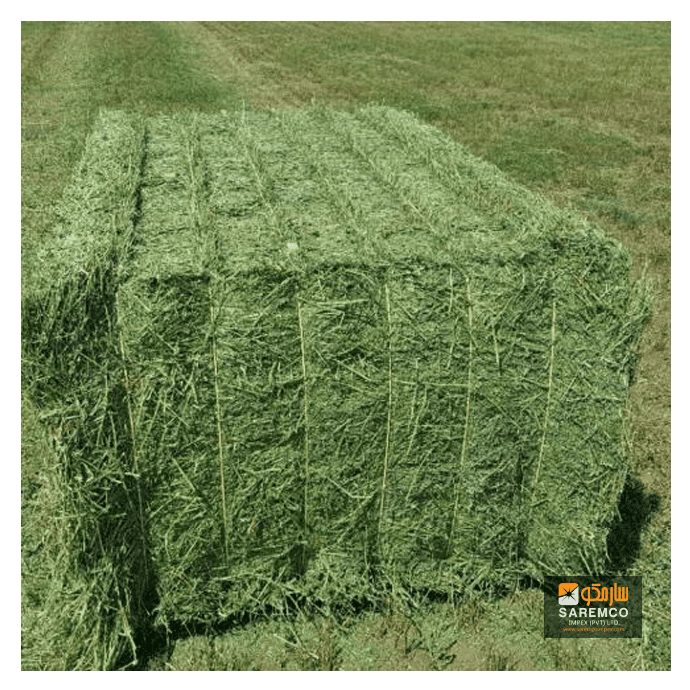
Feeding horses is not just about filling a manger with hay. It’s about providing a balanced nutrition plan that helps performance, energy levels, digestion, and long-term health. Rhodes grass hay has value and is gaining attention among horse owners, stable managers, and trainers. It is popular as it is saved, palatable, and has digestive benefits, an excellent option for many types of horses if fed properly.
What Is Rhodes Grass Hay?
Rhodes grass is derived from Chloris gayana, a hot-summer season grass that grows rapidly in tropical and sub-tropical climates- it is widely grown in Punjab and Sindh (provinces of Pakistan). Every farmer must know their harvest time because if it is harvested at the right stage and dried well, then it becomes a suitable feed item for dairy animals, including horses. Rhodes grass is not like alfalfa; it is a grass hay that is lower in protein and calcium, making it a perfect option for daily feed items. For horses, it is a moderate nutritional profile.
Nutritional Profile of Rhodes Grass Hay
It contains a balanced diet as mentioned below, so it is an ideal choice for horses:
- Crude protein: Around 8–12%
- Fiber: High, which supports healthy digestion
- Calcium: Low compared to alfalfa
- Energy: Suitable for maintenance and light work
Why Rhodes Grass Hay Is Good for Horses
1- Supports Digestive Health
It is an ideal choice for horses as they have a very sensitive digestive system and Fiber for proper functionality. It helps our stomach and reduces acid and no digestive factors like colic and ulcers. It is used forthe best digestive system.
2- Ideal for Horses Prone to Weight Gain
Some horse riders keep horses for riding or light work so that they don’t give high-calorie food- they prefer Rhodes grass. Feeding rich hay is good to weight gain, laminitis, and insulin resistance, or laminitis. For adult horses, provide a minimum of 1.4 to 1.5% of body weight/day of hay-Rhodes grass provides bulk with no excessive calories that makes it a perfect choice.
- Easy keepers
- Overweight horses
- Horses with metabolic syndrome
- Laminitis-prone horses (under veterinary guidance)
3- Safer ratio of Calcium-to-Phosphorus
If we compare Rhodes grass hay with alfalfa, then it has high in calcium and creates an imbalance in large quantities. It provides a balanced ratio with long-term benefits. It is safer for long-term use and mixed with many other food supplements to make a balanced diet, so it is good for mature horses.
4- Highly Palatable for Most Horses
If harvested at correct time, then it gives soft texture and pleasant smell. Horses accept it at once as they love eating Rhodes grass. Its Fiber encourages natural chewing behaviour that reduces boredom and supports mental health.
Rhodes Grass Hay vs Other Horse Hays
Comparing Rhodes Grass with Alfalfa Hay
- Alfalfa is higher in protein and calcium
- Rhodes grass is lower in calories and safer for daily feeding
- Alfalfa suits performance horses; Rhodes grass suits maintenance horses
Comparing Rhodes Grass with Timothy Hay
- Timothy hay is cool-season and often more expensive
- Rhodes grass is more drought-resistant and widely available in warm regions
- Both are good grass hays, but Rhodes grass may be more economical
Which Horses Benefit Most from Rhodes Grass Hay?
Rhodes grass hay is suitable for a wide range of horses, including:
- Pleasure and trail horses
- Retired and senior horses (when soft and dust-free)
- Broodmares in maintenance stages
- Ponies and easy keepers
- Horses on restricted or controlled diets
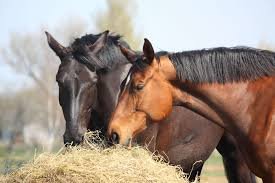
How much feed is required?
You can add 1.5 to 2% of body weight in a day. For example, a 500 kg (1,100 lb) horse needs about 8 to 10 kg daily.
Quality Matters
High-quality Rhodes grass hay for horses should be:
- Green to light green in color
- Free from dust, mold, and weeds
- Soft and leafy rather than coarse and stemmy
- Low in moisture (to prevent spoilage)
- Properly baled and stored
Storage methods
To maintain quality:
- Store hay in a dry, well-ventilated area
- Keep bales off the ground
- Protect from rain and humidity
- Inspect regularly for mold or spoilage

Muhammad Arif CEO, MBA in Finance and Marketing from South Korea University. Result-driven Chief Executive Officer with over 15 years experience leading and increasing growth in businesses. Starting from the scratch, launching and leading increasing in revenue in the three businesses in animal feed and food exports, and renewable energy in Pakistan. Particularly, having plentiful experience on East Asia and Middle East markets, and working with multinational organizations including the UN.