


Overview
Corn silage is one of effective and popular feeds used for cattle all over the world. It has special importance for beef and dairy animal farmers as it provides consistent nutrition, good digestibility, and high energy throughout the year. Corn silage is prepared from the whole corn plant, including leaves, stalks, and grain, harvested at the right stage and preserved through fermentation. In this post, we’ll explain what corn silage is, its advantages for cattle, preparation method, possible storage methods, feed recommendation, and how it is prepared.
What Is Corn Silage?
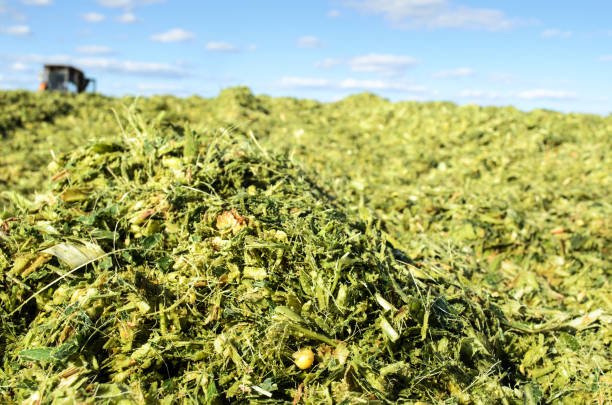
Corn silage is defined as a kind of fermented feed produced from the whole corn plant, which is used as basic feed for dairy cattle all over the world. Its production is based on an anaerobic fermentation process that converts carbohydrates to acid, which improves nutritional value and palatability. Corn silage provides both Fiber and energy that making it a perfect healthy source for cattle, which is used for heifers, dairy cows, beef cattle, and growing calves. Corn silage is important when fresh pasture is not available.
Nutritional Value of Corn Silage
Corn silage is important because of its high energy content and balanced nutrition. It is rich in starch and provides essential Fiber (NDF/ADF), moderate protein, minerals for dairy animals, varies as per growing conditions, hybrid, and maturity level; however protein level Corn silage is known for its high energy content and balanced nutrition.
Corn silage improves weight gain and milk production in cattle. Its nutrient profile varies as per corn variety, storage methods, and harvesting techniques; however generally have:
- Dry Matter (DM): 30–35%
- Crude Protein: 7–9%
- Energy (TDN): 65–70%
- Neutral Detergent Fiber (NDF): 40–50%
- Starch: 25–35%
- Minerals: Calcium, potassium, phosphorus
Advantages of Corn Silage for Cattle
1- High Energy Feed
Corn silage provides a high level of energy that makes it a perfect option for fast-growing beef cattle and high-producing dairy cows. making it ideal for high-producing dairy cows and fast-growing beef cattle. This content supports muscle development and milk yield.
2- Improves Milk Production
Dairy farmers use corn silage as it improves milk protein level and proper balanced protein supplement. Corn silage provides a consistent supply, improves the digestive system, and produces better-quality milk when managed properly for storage and required fermentation. In dairy farming, corn silage directly changes it into milk production and healthier cows, making it an ideal asset in farming globally.
How Corn Silage Boosts Milk Production:
- High Energy & Starch
- Balanced Nutrition
- Rumen Health
- Consistent Supply
- Improved Quality & Yield
3- Enhances Weight Gain
Corn silage improves and supports weight gain in dairy animals, especially dairy and beef cattle. Its digestibility and high energy content make it an important component in dairy animal feed.
Why & How Corn Silage Promotes Weight Gain
- High Energy Density
- Improved Feed Efficiency
- Digestibility and Rumen Function
- Versatile and Balanced Rations
4- Cost-Effective Feed
It is a highly cost-effective feed for dairy animals and reduces dependency on costly concentrates. It allows farmers to produce in bulk from limited resources or land. It reduces expensive supplements, and storability is available for 2 years, which minimizes waste, supports better meat production, overall farm profitability, and better feed efficiency.
How is it Cost-Effective? Look from the other side
- High Yield & Land Efficiency
- Nutrient Density.
- Perfect & excellent Storage
- Reduced Costs
- Versatility
Factors Influencing Value
- Proper Land Preparation: Need airtight storage, so need correct harvesting, right harvesting, and chopping are important to preserve nutrient value and quality.
- Silage Quality: Low Fiber (NDF/ADF), high-quality dry matter, influenced by hybrid corn and harvesting time.
- Management: Good storage, complete ration balancing, and efficient feed-out that maximizes its economic benefits.
5- Year-Round Availability
Once properly stored, corn silage can be fed throughout the year, ensuring nutrition in both cold and dry seasons.
6- Palatable and Digestible
Cattle consume corn silage due to its taste and pleasant fragrance. The fermentation process improves Fiber digestibility.
How Corn Silage Is Made
1- Harvesting Stage
The ideal time to harvest corn is when the kernels are at the middle stage. Now the plant has nutrient content and optimal moisture.
2- Chopping
The corn plant is chopped into small pieces, generally 1-2 cm long. Proper chopping also improves fermentation and compaction.
3- Filling and Packing
This chopped material is filled into silage bales, pits, bunkers, and soil. It’s packed in an airtight condition.
4- Fermentation
Under anaerobic (air-free) conditions, lactic acid bacteria ferment sugars and preserve the feed. This process takes about 2–3 weeks.
5- Storage
After fermentation, the silage is sealed to prevent air and water entry. Proper sealing ensures long-term quality.

Muhammad Arif CEO, MBA in Finance and Marketing from South Korea University. Result-driven Chief Executive Officer with over 15 years experience leading and increasing growth in businesses. Starting from the scratch, launching and leading increasing in revenue in the three businesses in animal feed and food exports, and renewable energy in Pakistan. Particularly, having plentiful experience on East Asia and Middle East markets, and working with multinational organizations including the UN.