
Overview
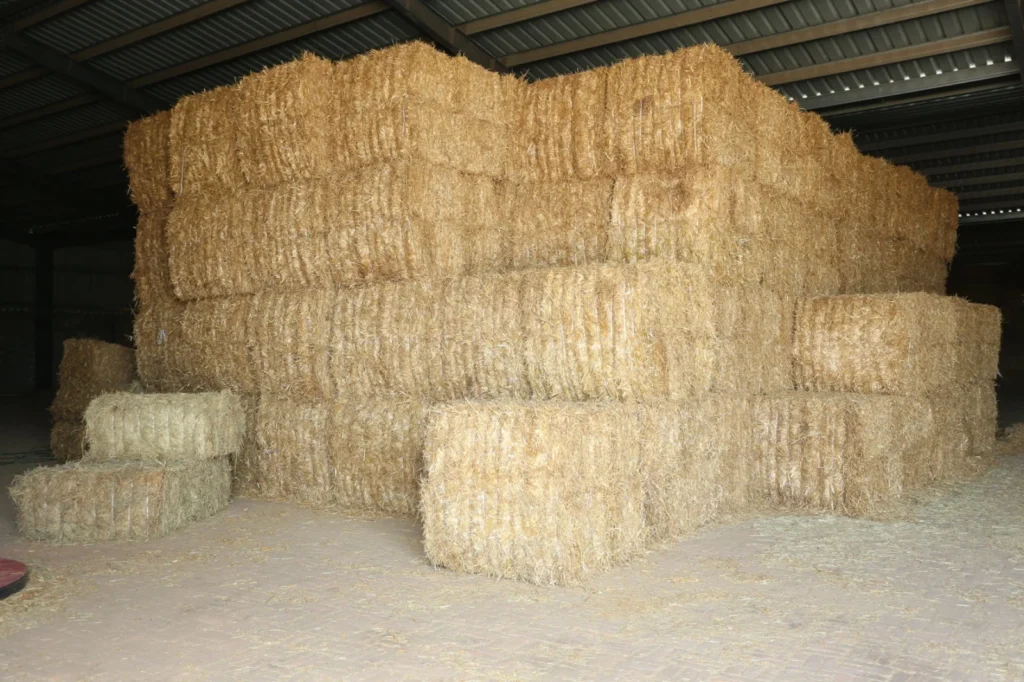
Wheat straw is one of the most important agricultural feed items produced all over the world. It is a dry stalk left when grains are separated or harvested from the plant. In some regions, especially in Asian countries and the USA, it is produced in bulk every year. Farmers use wheat straw for soil mulching, fodder, and animal bedding, which increases interest in renewable energy sources. It is an important attention due to its calorific value as fuel.
The calorific or heating value of wheat straw generally ranges between 14.5 and 17.7 MJ/kg (megajoules per kilogram), depending on ash concentration & moisture content. It is considered a consistent source of ecological, renewable fuel. This value shows the required amount that is released and then completely burned. It is also an important biomass resource that is used for power generation and heat. This content is an important resource that is used for power generation and heat. It is a sustainable option for fuel and has become an important energy source.
Know Calorific Value
It is also called a heating value and measured as the energy that fuel contains and shows the heat produced in a specific quantity which is burned in controlled conditions. It is expressed in kilogram like kg or KJ (megajoules per kilogram (MJ/kg). These 2 types are used in studies, and first its shows a higher heat value that releases energy in the combustion process, like heat is used to condense water vapor. The second value is a lower heat value that excludes lost heat in vapor. If farmers want to check the practical energy potential, then they decrease the heat for biomass fuels like wheat straw.
Calorific Value of Wheat Straw
It is an important and effective biofuel that provides energy.
- Energy Density: Wheat straw possesses a low bulk density, and it is called the lower heating value (LHV). Pelleting can also increase energy density specially about 10 times more. It contains high-volume fuel and is viable.
- Variability: It shows value as a variable in both composition and quality due to genetic difference in climate, soil, and maturity. It includes key components such as silica and lignin that affects on feed and value. If rainfall increases, then it will produce less fibrous straw. Moisture content impacts the net energy (15 % in the market).
- Composition: Wheat straw is composed of 33%–45% cellulose, 20%–30% 5-15% minerals. hemicellulose, & 10%–20% lignin. It is composed as valuable and important feedstock for bio-based products and bioethanol due to its high energy content.
- Ash Content: It contains 5-10% mineral content on a dry matter basis, according to studies, it is rich in silica and contains potassium, magnesium, calcium, and phosphorus.
- Usage: It is used in industries as a versatile agricultural product for dairy animals and to improve mulch. It is used as a raw material for paper and packaging.
Chemical Composition and Energy Content
Chemical composition means the atomic or molecular makeup, for example, protein, carbon, hydrogen, lipid, etc. That shows calorific value or energy content within a bond. Energy is released with combustion or metabolic oxidation. The combination of these compounds makes a suitable material for different applications like biofuel production, protein, ash, and minerals. It will confirm how efficiently it burns and how it releases.
Chemical Energy Content (Calorific Value)
As we discussed energy density, measurements in simple energy form, similarly, chemical energy is stored in forms of substances like coal, biomass, and petroleum which is released as thermal energy.
Factors Affecting Calorific Value
Several factors influence the calorific value of wheat straw. It is important due to its moisture content. Freshly harvested wheat straw contains significant moisture, which can reduce heating value. For perfect and efficient combustion, it dries moisture levels less than 15%.
Another important factor is ash content. It has higher ash content compared to other fuels. Ash will not contribute to the energy content and will reduce efficiency. Special tools or equipment are used to manage the levels according to requirements. Straw is then stored to maintain its energy content and protect it from humidity and rain. It also maintains fuel quality. In power plants, it is burned and produces steam that is required to generate energy.
Environmental Benefits
It has multiple benefits, like the reduction of gas emissions; carbon dioxide is released by plants. Wheat straw can also create a neutral energy system (reduces damage & increases productivity).

Muhammad Arif CEO, MBA in Finance and Marketing from South Korea University. Result-driven Chief Executive Officer with over 15 years experience leading and increasing growth in businesses. Starting from the scratch, launching and leading increasing in revenue in the three businesses in animal feed and food exports, and renewable energy in Pakistan. Particularly, having plentiful experience on East Asia and Middle East markets, and working with multinational organizations including the UN.

Recent Comments