
Overview
Rice is not only a staple food for millions; it is an important part of the agricultural economy of Pakistan and a major contributor in export of Pakistan. Pakistan has become one of the major contributors and exporters of rice due to its ideal climate or growing conditions and focus on quality to meet international standards.
Pakistan is acting as a major foreign exchange earner and contributing 1.67% to GDP and became 4th largest exporter of rice in the world. Pakistan is one of the top rice exporters due to its traditional values and competes with Asian countries in annual export volume so you can say it is the backbone of Pakistan with multiple varieties. This article explores the importance of rice in Pakistan’s economy.
Types of Rice Exported
1- Basmati Rice
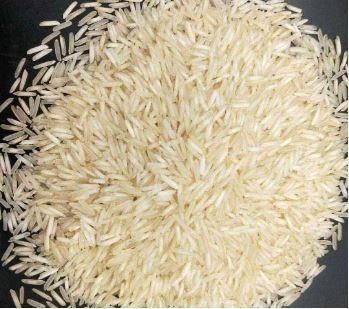
Pakistan is known for its unique, long-grain, and best-quality basmati rice. This product contributes billions to foreign exchange earnings specially in Punjab province and Kashmir area. It has an important agricultural value as it supports 4.9% in Pakistan-supports to millions of people and facing challenges of climate-risk, high cost of production, and export quality competition.
Basmati rice (especially C1121 variety) of Pakistan is recognized due to its cooking properties and affordable cost in the international market.
- Middle Eastern countries (UAE and Saudi Arabia)
- Europe (UK and the European sector)
- North America (USA & Canada)
2- Non-Basmati Rice
Non-basmati rice is available in different varieties like IRRI-6, 9 & PK-386, which is affordable and exported to Asia, the Middle East, and Africa. It is available in white colour, long-grain, and non-sticky texture, which makes it an ideal product for cooking.
Varieties of Non-Basmati Rice in Pakistan:
- IRRI-6
- IRRI-9/C9
- PK-386.
- KS-282
Markets:
- East and Central Africa (Kenya, Tanzania, Ivory Coast, Madagascar)
- Middle Eastern nations
- Southeast Asia
Export Performance & Trends
In 2026, Pakistan’s rice export is increased by 22% and exported 773,000 tons compared to last year. This credit goes to exporters as they have fulfilled work and meets the standard of high-quality rice in international market. Pakistan has exported 700,000 tons of non-basmati rice per year.
Mixed/Declining Annual Results
However, due to prices, the rice sector also faced a decline in international prices due to demand and taxes. As per study and analysis, the ratio was 6 million tons to 5.8 million tons and approximately 15% dropped from USD One analysis showed exports decreased about 3.93 billion to 3.36 billion in a yearly basis. Rice export faced serious dips in export of rice shipments, with a large impact on global prices.
Short-Term Monthly Surges
Pakistan has exported 600,000 tons to different countries like China, the UAE, and Asian countries. Its top markets are in China, the UAE, and other African countries.
Key Short-Term Monthly Surges & Data
- January 2026 Surge: It is exported to the world with Basmati exports touching 184k tonnes in one month, which is about 136%.
- December 2025 Surge: |Export jumped to 14% and reached 500,000 tons with basmati rice cargo, making it the 3rd largest exporter in that month.
Drivers of Temporary Surges
- Pakistani Export Policy: Pakistan’s rice export policy is focused in private export sector and now supported PKR 15 billion or 53.7 million USD with effect from 2026.
- Market Diversification: if it is not on costly routes, then shipment export is possible to all nearest destinations.
- High Demand: Its demand is increased in Kenya, UAE, China, and Tanzania.
Key Export Destinations
Pakistan’s rice reaches diverse global markets. Top destinations often include:
- Middle East (UAE, Saudi Arabia, Oman)
- European Union & UK — particularly for premium basmati
- East and Central Africa (Kenya, Tanzania, Ivory Coast, Guinea-Bissau)
- China
- North America (United States, Canada)
Challenges Facing Pakistani Rice Exports
1- Competition with Other Countries
Pakistan must fulfill international price which is a huge pressure on global rice export. It includes the ability to sell it at an affordable cost specially in Africa and North Asia.
2- Policy & Regulatory Bottlenecks
Exporters also discuss regulatory hurdles, including certifications from NAEFSA and the Plant Department. In case of delay, the shipment is cancelled from the buyer’s side.
3- Exchange Rates & Export Financing
Pakistan’s rice export prices remain stable, which is a positive thing, noted as a competitive edge. The offered export price is also the biggest channel.
4- Production & Supply Constraints
Periodic floods, weather shocks, and crop losses — especially in key basmati-growing regions of Punjab — reduce exportable surplus and can drive up domestic prices, making exports less competitive internationally.
5- Compliance & Quality Standards
Increased alerts for pesticide residues and food safety concerns in exports to strict markets like the EU, UK, and the U.S. have occasionally resulted in shipment rejections, undermining reputation and market access.
Opportunities & Prospects
- Premium Market Focus
- Diversification of Markets
- Technological & Supply Chain Improvements
- Strategic Government Support

Muhammad Arif CEO, MBA in Finance and Marketing from South Korea University. Result-driven Chief Executive Officer with over 15 years experience leading and increasing growth in businesses. Starting from the scratch, launching and leading increasing in revenue in the three businesses in animal feed and food exports, and renewable energy in Pakistan. Particularly, having plentiful experience on East Asia and Middle East markets, and working with multinational organizations including the UN.

Recent Comments