
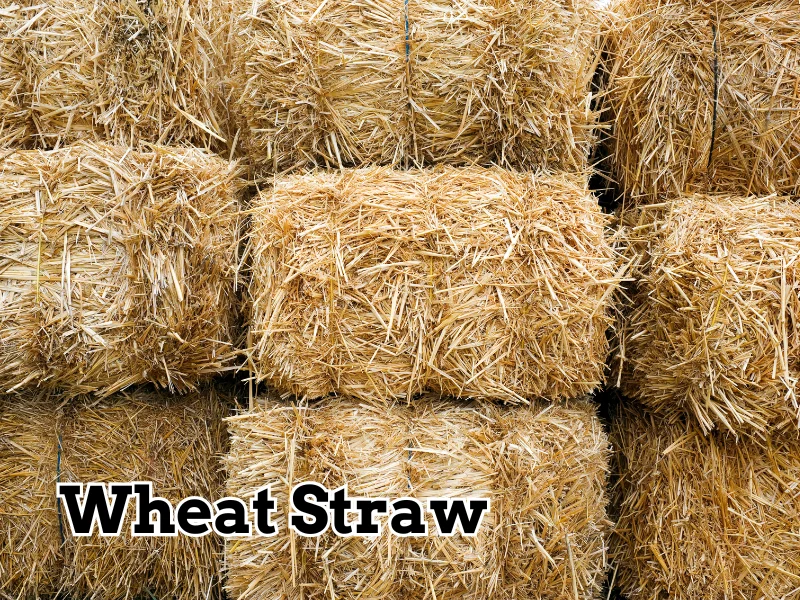
Wheat straw is a dry stalk that remains after what grain is harvested. If a farmer cuts this crop to collect the grain, the golden stems left behind is called wheat straw. It is a natural agricultural product which is used as animal feeding, farming, construction, bedding, and for industrial purposes. Wheat straw is used by humans for millions of years. It plays an important role in sustainable farming, dairy animal management, and agriculture.
How Wheat Straw is Produced
It comes from the wheat plant (Triticum aestivum and other species). This plant consists of 3 main parts- Grain, Leaves & stem(straw). A wheat plant has three main parts.
- Grain is used to make pasta, flour, and bread.
- Leaves –a component of a plant used in growth.
- Stem (Straw) – a long, stalk that supports the grain
Once harvesting ends, farmers separate the straw with the help of harvesters, then it is dried, baled, and stored for different purposes. It is golden or light yellow in colour and has a dry texture.
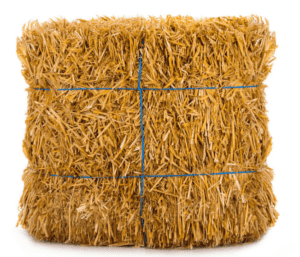
Physical Characteristics of Wheat Straw
It is used for supportive and practical purposes. It has multiple features that make it important in some industries mentioned below:
- Lightweight – Easy to handle it and its transportation
- Dry and fibrous – low moisture content
- Hollow stems – provide insulation and softness
- Low nutritional value – compared to hay or silage
- High Fiber content – mainly cellulose and lignin
What are the uses of Wheat Straw
1- Animal Bedding
It’s one common purpose is to use as bedding for dairy animals like:
- Cattle
- Horses
- Sheep
- Goats
- Poultry
Wheat straw also provides a warm, dry, and soft surface for them as it absorbs moisture and helps them feel comfortable and clean. It is more affordable compared to wood shavings or sawdust.
2- Animal Feed (Limited Use)
Wheat straw is used as roughage for animals, especially when no alternate feed is available. It is mixed with other feed supplements like grains, molasses, and protein supplements. Treated wheat straw improves health value in Pakistan:
- Low digestibility
- Low protein content
- High Fiber
3- Mulching in Agriculture
Wheat straw decomposes and adds organic matter to soil. It is also used as cover crop for many important crops. Wheat straw can add organic matter to the soil and improve fertility and soil structure. It helps:
- Retain soil moisture
- Prevent soil erosion
- Reduce weed growth
- Improve soil health
4- Compost and Organic Fertilizer
Wheat straw is the best material for composting if mixed with animal manure, then creates a healthy diet that is used to improve soil quality naturally.
5- Construction and Insulation
Wheat straw is used in modern and traditional construction purposes. Straw bale is used to build eco-friendly houses as they offer low cost, sustainability, and good insulation. Straw bale is environmentally friendly and energy efficient, which makes it an important part of the material in construction.
6- Industrial Uses
Wheat straw is used in several industrie,s like mushroom farming, packaging material, paper production, and biofuel.
Nutritional Composition of Wheat Straw
Wheat straw is important for animal health and Fiber. It is based on:
- Cellulose – about 35–40%
- Hemicellulose – around 20–25%
- Lignin – about 15–20%
- Crude protein – very low (2–4%)
Wheat Straw vs Wheat Hay
You can compare wheat straw & wheat hay, as some people confuse:
| Feature | Wheat Straw | Wheat Hay |
| Harvest time | After grain harvest | Before grain formation |
| Nutritional value | Very low | High |
| Use | Bedding, mulch, roughage | Animal feed |
| Texture | Hard, dry | Softer, greener |
Environmental Benefits of Wheat Straw
You should not burn wheat straw, as this causes pollution; instead, reuse or utilize it to prevent waste. It plays an important role in the sustainable agricultural sector, like:
- Reduces agricultural waste
- Prevents open field burning
- Improves soil organic matter
- Supports renewable energy production
Storage of Wheat Straw
It must be stored in dry places, and then it is protected from moisture and rain. It is packed tightly to conserve space, which also helps keep pests away. It means you need to keep it in a dry, covered, elevated, and pest-free environment so that no loss of quality in any case. Our objective is to control moisture.
Muhammad Arif CEO, MBA in Finance and Marketing from South Korea University. Result-driven Chief Executive Officer with over 15 years experience leading and increasing growth in businesses. Starting from the scratch, launching and leading increasing in revenue in the three businesses in animal feed and food exports, and renewable energy in Pakistan. Particularly, having plentiful experience on East Asia and Middle East markets, and working with multinational organizations including the UN.
Recent Comments