
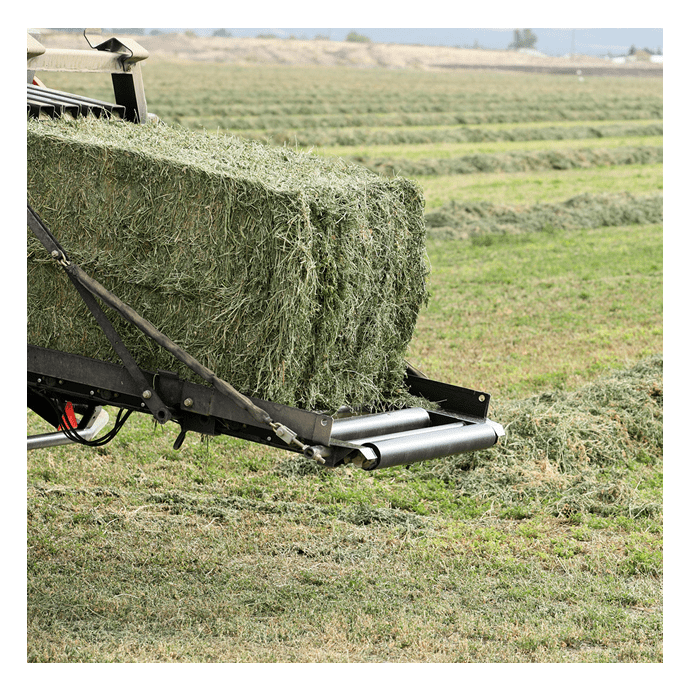
Overview
Rhodes grass hay is a popular choice among farmers all over the world. It is an effective method to maintain the health of dairy animals-sheep farming is rewarding and ensures productivity and health that requires proper and high-quality feed. Rhode grass is a proper solution that is known for its palatability, nutritional content, and adaptability.
What is Rhodes Grass?
Rhodes grass is derived from Choris gayana, which is a perennial tropical grass native to Africa but widely cultivated in some regions due to its adaptability and resilience. It is based on different types of soils, tolerates heavy rain, and withstands heavy grazing, so it has become a perfect crop for sheep farmers. Its high biomass production and growth rate are fast. It remains available throughout the year.
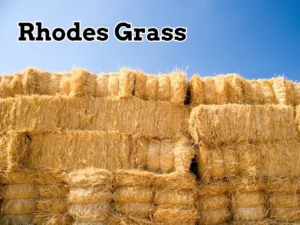
Nutritional Value of Rhodes Grass Hay
Its nutritional composition depends on some factors like curing process, harvesting time, and soil. Quality and curing process. It is rich in Fiber, protein, and essential minerals that make it an ideal crop for sheep.
1- Protein Content:
Protein is important for wool production, reproductive health, and muscle development in sheep. Rhodes grass hay has 8-15% crude protein, depending on grass maturity. Younger hay is rich in protein that is perfect for lambs.
2- Fiber Content:
The Fiber in hay digestion and rumen function. It promotes saliva production and maintains a healthy environment. Its Fiber prevents digestive issues like acidosis and bloating.
3- Minerals and Vitamins:
Sheep require magnesium, phosphorus, and trace elements like copper and zinc for reproduction and healthy growth. Rhodes grass hay requires a moderate amount of minerals and is mixed with supplements and provide more healthier meal to dairy animals.
4- Energy Value:
Rhodes grass hay is a rich source for sheep, especially if combined with legumes or grains. This energy supports milk production, overall vitality in old sheep.
Advantages of Feeding Rhodes Grass Hay to Sheep
1- Improves Growth and Weight Gain:
Feeding Rhodes grass hay to sheep provides advantages like nutrition, improved digestion, palatability, and lower risk of bloat, steady growth, weight maintenance, and farm efficiency, especially in the summer season, which provides reliable, cost -effective, and consistent feed.
2- Supports Reproductive Health:
Sheep require proper nutrition for lambing and breeding. It works well, especially in late pregnancy, supports fetal development, maintains body condition, and milk feeding. Rhodes grass hay, especially during late pregnancy, helps maintain body condition, supports fetal development, and promotes healthy milk production after lambing.
3- Enhances Wool Quality:
Its protein content contributes to quality and wool growth. Farmers can feed Rhodes grass hay to sheep, which increases profitability in wool production for them. Denser wool may increase the revenue for farmers in wool production.
4- Highly Palatable:
Sheep find it highly palatable, which means it is consumed without wastage. It ensures that you can pick it as per the requirements.
Cost-Effective and Sustainable:
It can tolerate heavy rain and grows in any climate, especially in the summer season, and it is long in Pakistan- it makes it a cost-effective option for farmers.
Harvesting and Storage Tips
For perfect nutritional value, it should be ready for harvesting time and stored well. To:
1- Harvesting at the Right Stage:
For better growth results, when grass is mature, so increases Fiber and reduces protein, which can decrease digestibility for sheep.
2- Drying:
After the cutting process, the grass must be dry in the sun to reduce moisture content (15-18%). If it is dried well, then it can preserve the nutritional quality of hay.
3- Baling:
When dried and maintained in quality then it’s converted into a small square bale that is easy to handle in large farms.
4- Storage Conditions:
Once it is stored in a dry area to prevent spoilage, it is covered properly with a trap. It can also be stored in a hay barn, which ensures it remains healthy for sheep.
Feeding Recommendations
- Lambs: Includes 50-60% hay.
- Adult Sheep: Mature sheep consume hay as their basic source.
- Pregnant and Lactating Ewes: Provide high-quality, leafy Rhodes grass hay
Combining Rhodes Grass Hay with Other Feeds
- Legumes:
- Concentrates:
- Mineral Supplements
Potential Challenges
You need to focus on:
- Maturity of the Grass
- Moisture Issues
- Mineral Imbalance

Muhammad Arif CEO, MBA in Finance and Marketing from South Korea University. Result-driven Chief Executive Officer with over 15 years experience leading and increasing growth in businesses. Starting from the scratch, launching and leading increasing in revenue in the three businesses in animal feed and food exports, and renewable energy in Pakistan. Particularly, having plentiful experience on East Asia and Middle East markets, and working with multinational organizations including the UN.

Recent Comments