
OUR BLOG
The point of using Lorem Ipsum is that it has a more-or-less normal distribution of letters, as opposed to using 'Content here, content here', making it look like readable English
Best Type of Corn for Feeding Cows
Overview The best corn for cows depends on diet and processing method, which is easy to digest, steam flaked corn with full of energy. Green chopped or freshly harvested corn…
Read more
How to Distinguish Between Cattle Corn and Regular Corn?
Overview Corn is one of the most dominant and productive crops in the world. It is used for both humans, animals, and the material industry. Corn is the third-largest plant-based…
Read more
What Kind of Corn Is Best for Silage?
Overview The best corn silage is used in dual-purpose and high varieties that mature after some time, and grain varieties are best for silage due to flexibility. Before harvest, the…
Read more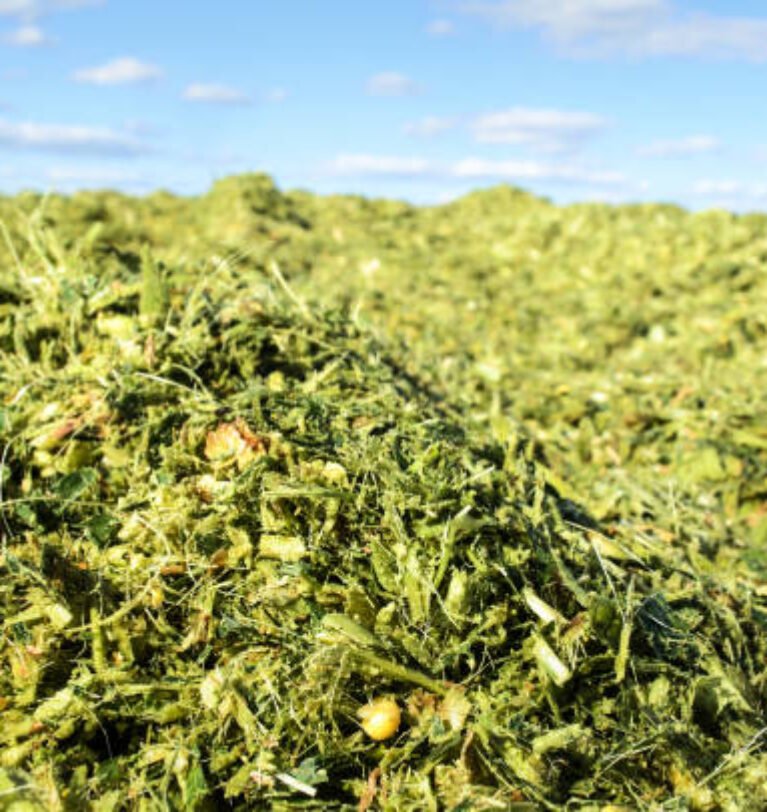
Know the Difference in Silage Corn and Regular Corn
Overview The main difference between corn silage and regular silage depends on their use, particular hybrid varieties, and harvesting method. Silage corn is harvested when the entire plant is used…
Read more
Corn Silage’s Potential and Production from Pakistan
Overview Corn silage is an important part of the latest Pakistan dairy livestock due to its consistency, digestibility, and high energy content throughout the year, especially in feed shortages. This…
Read more
Cereals and Grains / Long Grain Rice / Rice Grain
Medium Grain Rice Get both Texture and Taste
Medium-grain rice is soft, creamy, and tender when cooked. It has vitamins, minerals, and carbohydrates, and is popular in the Middle East, South Africa, Europe, Korea, and Japan. Rice plays…
Read moreGET IN TOUCH
Latin words, combined with a handful of model sentence structures, to generate Lorem Ipsum which looks reasonable.
Overview
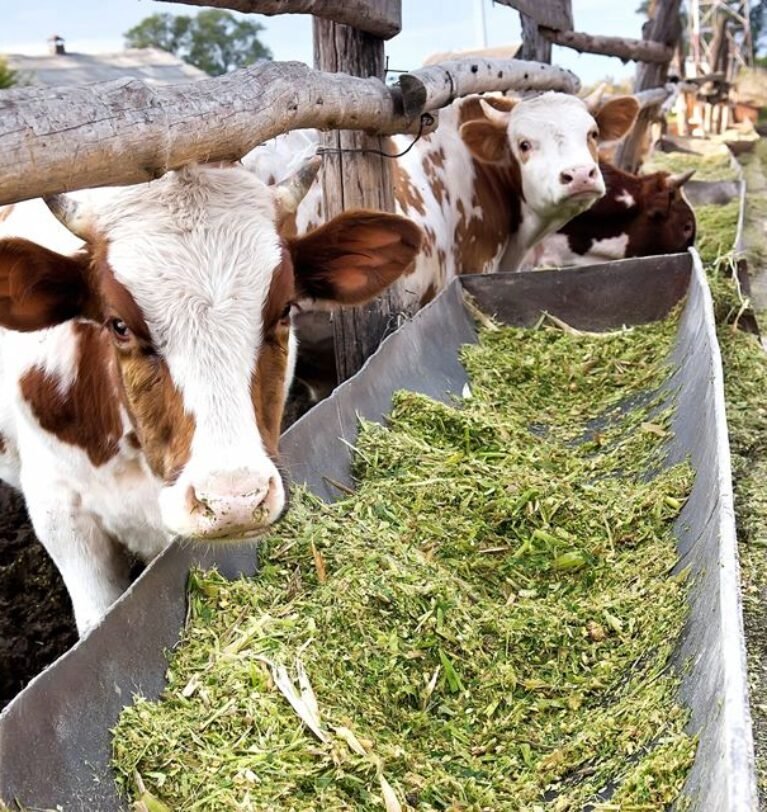
The best corn for cows depends on diet and processing method, which is easy to digest, steam flaked corn with full of energy. Green chopped or freshly harvested corn is used for dairy cows and is good for improving nutrient absorption. Corn is the best and important feed cop for cattle in the world. Its energy power, health benefits, and versatility make it the first choice for beef and dairy farmers. Every corn variety has different purposes and uses. Not all are the same. It depends on requirements like beef fattening, silage preparation, and dairy production.
Cows also need a healthy and balanced diet, just like human beings. If cows eat unhealthy food, they can kill animals, and animals can become weak due to acidosis. Cattle need a balanced diet like corn, grains, and supplements. Corn is suitable for both non-ruminant & ruminant animals. It is known for high energy, and farmers can feed cows in a crimped or whole form.
In this post, we’ve mentioned feed for cows and discussed the types and factors of cows for animals.
Nutritional Composition, Protein levels, and Acid of Corn
When corn is mature then it is rich in starch (2081 kcal/pound). It is low in protein but a perfect choice if you need it as a supplement. You must not use it as a diet less than 0.4%. There are many methods to give corn to cows, like in form of grains. In the early growth phase, you can harvest cattle for silage.
Nutrient |
Average Content |
Properties |
| Dry Matter (DM) | 86–90% | Indicates the solid portion of the feed after water removal. Essential for accurate ration formulation. |
| Crude Protein (CP) | 7–9% | Provides amino acids for body maintenance and milk synthesis. However, corn is relatively low in protein compared to other feeds. |
| Crude Fat (Ether Extract) | 3–4.5% | Supplies concentrated energy, improves palatability, and supports milk fat content. |
| Starch | 65–72% | Primary energy source for cows. Fermented in the rumen to produce volatile fatty acids (VFAs) used for milk production. |
| Fiber (Neutral Detergent Fiber – NDF) | 8–12% (grain); 40–50% (silage) | Important for rumen health and digestion. Fiber content varies depending on the corn form (grain vs. silage). |
| Acid Detergent Fiber (ADF) | 3–5% (grain); 25–35% (silage) | Represents the less digestible fiber portion. |
| Ash (Minerals) | 1–2% | Includes calcium, phosphorus, potassium, and magnesium — vital for metabolism and milk production. |
Energy Variables
Energy Variables |
Average Value |
| Total Digestible Nutrients (TDN) | 88–90% (grain), 65–70% (silage) |
| Net Energy for Lactation (NEL) | 2.0–2.1 Mcal/kg (grain), 1.5–1.6 Mcal/kg (silage) |
| Metabolizable Energy (ME) | 3.3–3.5 Mcal/kg |
Amino Acid
Amino Acid |
Approximate Content (% of protein) |
| Lysine | 2.6–3.0% |
| Methionine | 1.7–2.0% |
| Cysteine | 1.8–2.2% |
| Threonine | 3.5–4.0% |
Minerals and Vitamins
Mineral |
Approximate Content (per kg DM) |
Remarks |
| Calcium (Ca) | 0.02–0.03% | Very low – requires supplementation |
| Phosphorus (P) | 0.25–0.30% | Adequate for most rations |
| Potassium (K) | 0.35–0.40% | Supports muscle and nerve function |
| Magnesium (Mg) | 0.10–0.12% | Important for enzyme activity |
Role of Corn in Cattle Feed
Cows require a balanced diet as a major source of energy. Corn is rich in carbohydrates, starch that helps animal in weight gain, animal health, and milk production. A balanced diet includes carbohydrates, proteins, minerals, and Fiber. Corn provides the energy portion of that diet efficiently and economically. You can choose corn type according to its processing- high-moisture, cracked corn, and silage.
Types of Corn Used for Feeding Cows
There are several types of corn grown for different agricultural purposes. The following varieties are most used for cattle feed:
- Field Corn (Dent Corn)
- Sweet Corn (Human Consumption Corn)
- High-Moisture Corn
- Silage Corn
- Brown Midrib (BMR) Corn
Why Field Corn Is the Best Choice for Cows
The first choice for cows is field corn due to its affordability, high-energy content, and palatability. It is required by humans.
Important Factors
- High Energy Density: It is high in carbohydrates and important in case of weight gain and high milk production in cows.
- Affordability and Availability: It is a cost-effective solution and suitable for small-scale farmers. The most viable crop is corn, and available in all major areas of Pakistan. It has a strong shelf life and ensures for essential nutrients.
- Palatability, Efficiency and Versatile Use: Cows love to eat it, Cattle readily eat field corn due to its desirable taste, which encourages consistent feed intake and helps ensure adequate nutrition.
Overview
Corn is one of the most dominant and productive crops in the world. It is used for both humans, animals, and the material industry. Corn is the third-largest plant-based food source in the world. If we talk about corn, then people know about sweet corn, a very delicious variety like used in salads or cobs. However, some types of corn look the same, but there is a difference between cattle corn (dent or field) and regular (Sweet) corn. In this post, we’ll examine the difference between cattle corn and regular corn.
Regular corn is harvested fresh in its peak sweetness for human consumption however, cattle corn is left till it dries. Cattle corn is important for dairy animals and is used in the production of ethanol and other food items.
What Is Cattle Corn or Field Corn?
Cattle or Field corn is the most common category of corn in USA-99% grown us cattle corn. Cattle corn is harvested when plants are mature and dry. Farmers harvest the cattle crop when they select dried corn plants and separate the kernels.
What is Regular Corn and its uses?
Regular corn is very delicious corn that humans like it is fresh and juicy. The plant of regular corn looks like the cattle corn, but it is not as tall as cattle. The regular corn is consumed by humans. You can use frozen or canned corn. Regular corns are available in multiple varieties and used in many food items like corn chips, tortilla, and tortillas. Regular corn is for human feed. There is some confusion, but regular corn and cattle corn belong to the same species (zee mays). It differs in look, appearance, nutritional composition, and harvesting time.
Types of Corn
- Cattle corn: It is also called dent corn or field corn. It is not directly eaten by human. Cattle corn is basically for animal feed and produces ethanol or biofuel.
- Regular corn: It is available as a frozen vegetable or in canned form. It has sugar compared to other corn.
- Popcorn: It will expand when heated, ideal choice for people.
- Flint corn: It is hard, low-moisture, and glossy. It is used in decorations.
- Waxy corn: This type is used in industries like thickening agents and adhesives.
- Blue corn: It is also called flint or dent corn. Let’s discuss their difference:
1. Function and Implementation
The main difference between cattle corn and regular corn lies in their purpose.
Cattle corn—often called field corn or dent corn—is grown primarily for animal feed, silage, and industrial uses. It is harvested after the kernels mature and dry, making it ideal for grinding into feed, producing ethanol, and creating corn-based industrial products.
On the other hand, Regular corn, usually called regular corn, is grown for direct human consumption. This type of corn is harvested while the kernels are still soft and filled with a sweet, milky juice. Sweet corn is the kind you find on dinner tables, in cans, or frozen for cooking.
2. Physical Structure
If you are a farmer or related to the agricultural field, then you must know the difference. Cattle corn-field corn or dent corn has different physical appearance than regular corn.
Plant Appearance
- Height: It is thicker and sturdier than a regular plant. Height is 13 feet pr 4 meters.
- Leaves/Stalks: This plant has a solid stem with narrow leaves and wavy edges. Its harvest starts when the colour changes to golden brown and is shown in dry form.
Kernel Appearance
- Color: It is available in white, black, pink, blue and yellow.
- Shape or texture: It has soft starchy. This field corn has visible dent.
- Hardness: It is starchy and hard.
Regular corn
- It is shiny, smaller, and tender. Its moisture gives a sweet taste. The regular corn has one colour and usually white and yellow.
3. Taste and Texture
Taste is another clear indicator. Regular corn is juicy and sweet. It is ideal for grilling, roasting, and boiling. It has high sugar content that makes it pleasant.
Cattle corn is bland and starch. Without processing, it remains hard and dry. You can’t use it directly. An Example is silage.
4. Harvesting Time
Regular corn harvest time is between 70-90 days.
Cattle corn, harvest time is 120-150 days.
5. Nutritional Composition
Cattle corn (field corn) has a high carbohydrate and starch content; however, very low sugar. Therefore, it is an excellent source for animals. It has Fiber, protein, and required minerals.
Regular corn is higher in sugar but low in starch. It has vitamin B-complex, natural sugar, and antioxidants such as zeaxanthin and lutein. It is very good for human eyesight.
6. Field Observation
Regular corn can be grown in a small area, but field corn is planted in farms (large scale).
Overview
The best corn silage is used in dual-purpose and high varieties that mature after some time, and grain varieties are best for silage due to flexibility. Before harvest, the entire plant develops over time.
The statement is correct: high-yielding, dual-purpose hybrids that mature slightly later than grain-only varieties are often considered the best for silage because they offer flexibility and a longer harvest window.
Properties of ideal Silage Corn
Dual-purpose hybrid:
It provides a flexible crop design to harvest for whole-plant silage or grain. This hybrid is bred for high grain potential and has properties or characteristics like agronomic traits, good standability to produce high quality crop of silage. If you have complete operational requirements as per market demand or required for the event, then you can decide on harvest.
- It provides flexibility like farmers can select according to market conditions and needs.
- It provides in bulk with good potential and good Fiber content in all hybrid properties.
- Due to good sustainability and disease tolerance, it becomes a good choice in difficult times.
- It is also easy to manage it because it has no special requirements.
Brown Midrib Hybrids:
Brown midrib hybrid is a special type of corn variety that is developed with improved nutrient characteristics. BMR is most important options or beef producers and dairy farmers who need high-quality silage for animals.
- BMR was first discovered in sorghum and then known as Corn
- It has lower lignin in the tissues of the plant, which is complex Fiber and provides a wall, but not easy to digest. BMR provides extra energy in the same feed to animals with Fiber.
- Nowadays, many companies provide BMR corn hybrids because it is easy to digest and more palatable.
- BMR provides multiple benefits that make farmers live easy. But one issue is that it is costly.
- BMR hybrid can manage fertility harvesting practice, and pest control system. No loss.
Dent Corn (Field Corn)
Dent corn is also field corn is used for silage production. It has high starch content. Dent corn is important because it will provide energy, so it is the best choice for beef cattle. Dent corn is particularly cultivated and used for industrial purpose, and animal feed. It includes ethanol, cornmeal and Strach.
- It has high starch content that provides energy to dairy animal so highly used for cows that gives milk.
- Dent corn has perfect mixture of moisture and sugar which is reason of efficient fermentation. It improves palatability and nutrients as long-term feed source.
- Good Fiber and energy make it high quality silage and yield.
- It provides a balanced feed like a mixture of protein, Fiber, and starch.
- If the weather is hot, then this type is considered best things and includes height of plant (8-12 ft), adaptability, disease resistance, and consistency.
- It contains
- Dry Matter: 30–35%
- Crude Protein: 7–9%
- Starch: 30–40%
- Neutral Detergent Fiber (NDF): 40–45%
Flint Corn
It is also called Indian corn, which is the oldest type of corn cultivated in the world. This type has a hard external layer and bright coloured kernels that are available in blue, red, orange, and yellow.
- It is available in cooler climate and challenging environment conditions.
- Flint is an important crop for both animal and food production
- Inner portion of plant is soft, and outer layer is hard. The overall structure makes it durable.
- Its vibrant colour shows different shades like a multi-coloured pattern.
- It has excellent cold tolerance and is ideal for hilly regions.
- It is produced in a wide range of industrial, feed, and agricultural purposes.
- 10–11% protein
- 65–70% carbohydrates (mostly starch)
- Low fat content (about 4–5%)
- High levels of antioxidants, especially in colored varieties
Characteristics of Good Silage Corn
- Plant Height and Leafiness: If the plant is taller, then it will produce a good silage yield.
- Kernel to Stover Ratio: It’s balanced characteristics are everything, like both Fiber and high energy.
- Moisture Content: The accurate ratio is between 60-70%. No loss in return
- Digestibility: Extremely good! Easy to digest due to Fiber content
- Disease and Pest Resistance: Consistent feed quality and disease-resistant plants.
Overview
The main difference between corn silage and regular silage depends on their use, particular hybrid varieties, and harvesting method. Silage corn is harvested when the entire plant is used for animal feed and regular corn is harvested (small level business) for its dried kernels. The main difference is that corn silage is harvested as a whole plant to prepare animal feed, however regular corn is harvested for its grain that is used for other purposes.
Silage corn is first cut when the plant is wet, then chopped into small pieces, fermentation to preserve it for long-term consumption. On the other hand, regular corn is left to dry before kernels are separated from the cob.
Understanding Their Key Differences:
Corn is one of the most important cultivated crops all over the world, used as human food, animal feed, and industrial purpose. Regular corn is also called grain corn. But all corn is grown for different purposes. It is used as a basic source of calories for millions of people in regions like Africa. Both are grown, harvested and used in the same way but differently. In this post, we’ll highlight the different for buyers, feed producers, and farmers in the agricultural sector. It is compulsory for animal feed and a good source for industrial products such as starches, biofuels, and sweeteners. Its versatility makes it an important component in agricultural economy.
Global Significance
Pakistan generates money through corn silage crop as it supports million of farmers and so contributes to the economy. In production phase, you will face challenges from diseases, climate change, and pests, however; it is available in all types of updated varieties. Corn silage has importance all over the world due to cost-effectiveness and high-energy feed source for the beef and dairy industries. It remains available throughout the year. It can support weight grain and high milk production. It has multiple benefits and improves efficiency for farmers.
Nutritional and agricultural significance of Corn silage
- High energy and nutrients: Silage corn has energy and provides minerals (calcium, potassium, and phosphorus), vitamins, and proteins.
- Supports livestock performance: It can increase milk production in dairy cows compared to other animal feed items.
- Continuous and reliable feed: Acid is formed after ensiling process and make it easy to digest and preserves its nutrition.
Economic and trade Significance
- Cost Efficiency in Livestock Production: Corn silage helps in reducing dependency, like if you must buy animal food supplements. It’s about 70 percent feed is used for important purpose. To produce a high yields per acre, it will reduce overall cost.
- Enhanced Animal Productivity: to increase farm profitability and income, farmers should plan providing high energy for dairy animals or cattle.
- Year-Round Feed Security: Farmers and exporters can store it for at least 18-29 months, especially when seasonal shortage. It will generate revenue for farm.
- Economic Benefits for Farmers: China has increased orders from Pakistan for corn silage. Corn silage is an alternate solution for small-scale farmers for costly buying of grain. Moreover, it is also a solution of no reduction.
Trade Significance
With passage of time, international orders are increased, so growth is also increased as per the requirement of milk and meat. Its estimated time is USD 11 till 2033.
- Growing International Market
- Standardized Trade Practices
- Logistics and Transport Efficiency
- Boosting Agricultural sector for Export Opportunities
- Value-Added Product
- Reduces feed costs
- Improves farm income
- Facilitates international trade: Pakistan has a stable climate and exports to different countries like Central Asia and the Middle East market.
Environmental Significance
- Part of a sustainable system: The use of corn silage can be part of a sustainable dairy system, with emissions being balanced by the carbon absorbed during the crop’s growth
Key difference or Summarized form of Silage Corn vs Regular Corn
Feature |
Silage Corn |
Regular (Grain) Corn |
| Harvested Part | The entire above-ground plant is chopped and used. | Only the kernels are harvested |
| End Use | Primarily used as a high-energy, high-fiber fermented feed for livestock, especially dairy and beef cattle. | Used for human food (e.g., cornmeal, starches, sweeteners), animal feed (as grain), and industrial purposes (e.g., ethanol production). |
| Plant Breeding | Hybrids are specifically bred for high total plant yield, high digestibility of both fiber and starch, and a long harvest window. | Hybrids are bred for maximum, durable grain yield with kernels that dry quickly and are tough to withstand transport. |
| Storage | Improve digestibility. | Kernels are dried mechanically and stored. |
| Health benefits | Balanced Feed | High in Starch. |
Overview
Corn silage is an important part of the latest Pakistan dairy livestock due to its consistency, digestibility, and high energy content throughout the year, especially in feed shortages. This potential is due to required agro-climatic conditions like the maize production base and increasing awareness in farmers or people in the agricultural field and economic results.
Key factors of Corn Silage’s potential
- Regular feed supply: Corn silage can be stored for a long time. It is the most important benefit of corn silage because traditional feed crops are seasonal, like those available in extreme summer or extreme winter. Farmers need a solution that provides continuous feed throughput the year without any nutrient’s loss. We can say that it is a stable feed source.
- Improve dairy animal’s health and productivity: There is not doubt that corn silage improves the productivity and health of animal and provide digestible feed and the required nutrients. It includes better feed efficiency, gut health, and milk production. It will provide a balanced diet of Fiber, protein, and carbohydrates. To get better output, you should use good quality silage that can be used in the diet during managed feeding time. As a result, it will provide essential milk and rapid weight gain in beef cattle.
- Expansion of Commercial Farming: In Punjab and Sindh it is widely used and adopted for dairy animals and industries. Its expansion is an important factor, and it has become a global trend that increases continuous demand for protein in animals. This expansion is only possible due to the latest technology implementations. Related to logistics or shipping, quality control, and environmental sustainability.
- Rising Demand for Animal Protein
- Cost-Effectiveness and High Yield
- Year-Round Feed Security
- Technological Advancements
- Bioenergy Production
- Sustainable Farming Practices
Challenges and Considerations
If you must maintain quality, then this task can be very challenging because it depends on factors like harvest time, proper compaction, length of cut, and the process of fermentation. If you are a small-level worker, then it would work, but in the case of commercial-scale production, you need proper investment such as machinery (baggers, choppers), efficient transportation to minimize energy loss, and storage infrastructure (small & large bags).
You need to take risks like mycotoxin, nutrient management, irrigation system or water management, market volatility, or competition in multinational companies.
Best Practices for Expansion
Successful expansion of commercial corn silage farming requires a science-driven approach:
- Hybrid Selection
- Optimal Timing
- Proper Ensiling
- Regular Testing
- Investment in Technology
Cost-Effectiveness and Land Efficiency
Due to its high demand, corn silage is less expensive compared to other feed items available for dairy animals in the market. It increases or maximizes production per acre and optimizes agricultural land. Corn silage is preferred as the best choice due to its cost-effectiveness and land usage. It is grown in acres and used throughout the year.
- Lower Feed Costs
- High Nutritional Value
- Year-Round Availability
- Reduced Waste
- Economical vs. Other Forages
Land Efficiency
Corn silage provides a minimum 18-25 tons/acre and ¾ optimal milk production. Farmers need to check some factors like weather, soil type, and practices that are used for efficiency and better output. All these factors will continue its nutrient cycle, especially N & K that are applied when the crop is mature. Proper management increases the level or production. Corn silage sounds 1st choice for dairy animals and can produce high-quality feed.
Quality and Export Opportunities
Pakistan exports in bulk of corn silage to countries like South Asia, Qatar, and the UAE (nations). Major centres are in Punjab, and exporters also focus on best quality, proper fermentation, maintaining required moisture, packing bales, and levels of dry matter. However, export is only possible with proper documents like a certificate of analysis, and certificate of origin. The success is based on proper harvesting, packing, fermentation cost, and suitable climate. The important phase of exporters is to establish and provide high-quality corn silage in bulk if demand on a large scale.
Key opportunities
- Growing demand
- Value-added product
- Cost-effective nutrition
- Favourable production conditions
- Adaptability
Factors for success
- Quality control
- Agreement for shipping, Logistics, and partnerships
- Financing and payment with a letter or documentation
Know about market trends, the capacity of buyers, and the exposure of exporters in the international market.
Medium-grain rice is soft, creamy, and tender when cooked. It has vitamins, minerals, and carbohydrates, and is popular in the Middle East, South Africa, Europe, Korea, and Japan. Rice plays an important role in our daily lives. The Medium white grain boiled rice also helps us in reducing weight. Medium grain rice provides essential consistency and is key to making classic dishes. It is popular in the subcontinents with its unique properties. This type of rice can absorb sauces and spices easily.
Export of Medium Grain Rice
Pakistan is one of the largest rice exporters in the world. It exports long grain, medium grain, and short grain rice to Asia, Africa, Europe, and the Middle east (As mentioned above). The exporter completes all documentation before export and fulfills international standards. With the help of traditional and latest techniques, farmers carefully start the harvest process of rice, including drying, cleaning, and storage of process. Before export, medium grain rice is husked, polished, and graded. Broken grains are separated before shipping.
Export Documentation
It is compulsory for exporters to get certification from the food authorities and the export department of Pakistan, like REAP (Rice Exporters Association of Pakistan) & PSQCA (Pakistan Standards And Quality Control Authority). Other documents include an inspection report, a phytosanitary certificate, and a certificate of origin.
Comparison: Medium Grain Rice vs Short Grain Rice vs Long Grain Rice
| Feature | Short Grain Rice | Medium Grain Rice | Long Grain Rice |
| Grain Shape | Short, round, and plump | Slightly longer and wider than short grain | Long, slender, and thin |
| Texture After Cooking | Very soft and sticky | Tender, slightly sticky, and creamy | Fluffy, dry, and separate |
| Flavor Absorption | Absorbs moisture and flavours quickly | Absorbs flavours very well | Absorbs less flavour, stays light |
| Best For | Sushi, sticky rice, rice pudding | Risotto, paella, Mediterranean and Asian dishes | Biryani, pilaf, fried rice, side dishes |
| Common Regions Grown | Japan, Korea, parts of China | Pakistan, India, Spain, Italy | Pakistan, India, Thailand, USA |
| Cooking Style | Uses more water and shorter cooking time | Moderate water and cooking time | Less water, longer cooking time |
| Stickiness Level | High | Medium | Low |
| Taste | Sweet and chewy | Balanced and flavourful | Light and mild |
| Overall Advantage | Ideal for sticky or creamy dishes | Best balance of texture and taste | Perfect for dry, separate-grain dishes |
Global Distribution
It is exported to different countries by sea.
- Middle East: UAE, Saudi Arabia, Oman, Qatar
- Africa: Kenya, South Africa, Madagascar
- Europe: United Kingdom, Germany, Italy
- Asia: Malaysia, Indonesia, China
Nutritional content (per cooked cup)
- Calories: Approximately 242 kcal
- Carbohydrates: Around 53.2 g
- Protein: Roughly 4.43 g
- Fat: About 0.39 g
- Dietary Fiber: Approximately 0.56 g
- Key Nutrients: Magnesium, iron, zinc, and B vitamins
Why it is unique?
Medium-grain rice is unique due to its properties. We must know about its properties. Medium grain rice has a comfortable position between long and short grain. It is very important in completion of our dining table, so it is part of every kitchen.
-
Physical Attributes
Medium-grain rice is available in different sizes and 2-3 times longer than its width. Every grain has a beautiful white colour and shows its amazing appearance when cooked.
-
Flavour and Texture
If you are looking for good texture and tasty rice, then medium grain rice is a perfect choice. It is versatile due to its taste. When cooked, it becomes wonderful combination with any dish.
-
Health in Every Grain
This is only for appearance and texture. It is a perfect source of energy. It provides essential nutrients like phosphorus, Iron, and Vitamins (Balanced diet).
Selecting Medium Grain Rice
At Saremco Agri Commodities, we believe and wish to provide the best medium grain rice quality to your doorstep. This rice represents the value of our kitchen. Due to its unique characteristics and versatility, it has several uses. We provide the best Arborio rice and bomba rice. Arborio is one of the most important types of medium grain rice and used in many recipes, whereas bomba rice is used in all traditional dishes. Calrose rice was developed in the 1950s in USA. All these types of medium grain are also used in bakery items.
At Saremco Agri Commodities, we provide the finest varieties of medium grain rice at an affordable price. We believe in maintaining the high standard and closely observing farmers and growers because we fulfill our commitment.
Cooking Guidelines for Medium Grain Rice
- Don’t over-stir
- Keep the lid on
- Follow the cooking time