
OUR BLOG
The point of using Lorem Ipsum is that it has a more-or-less normal distribution of letters, as opposed to using 'Content here, content here', making it look like readable English
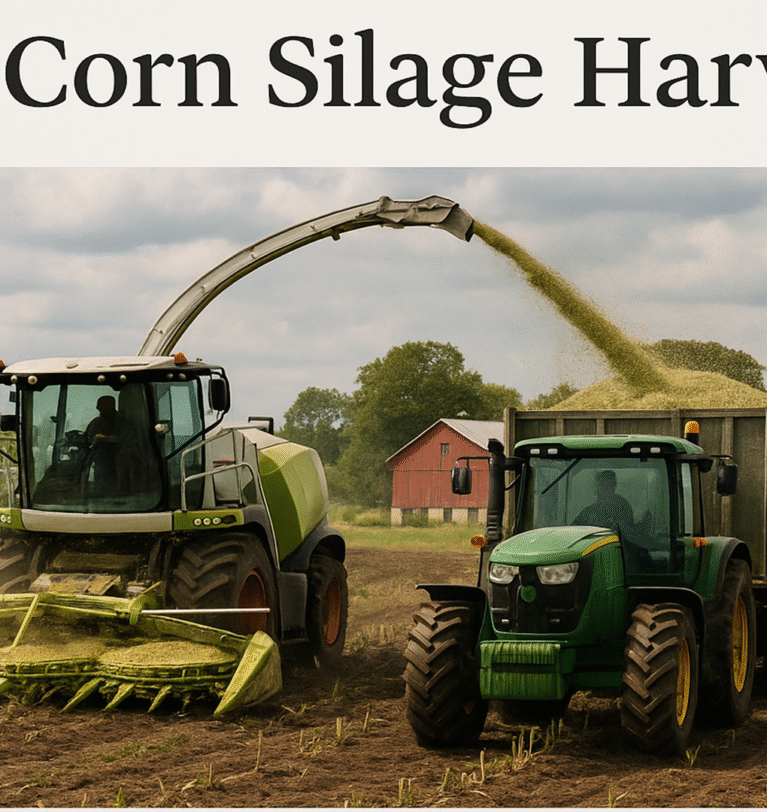
The Corn Silage Harvest Process
Overview Corn silage harvest is a major step and a crucial phase in livestock feed production for dairy and beef cattle operations, involving the cobs, kernels, leaves, and stalks. The…
Read more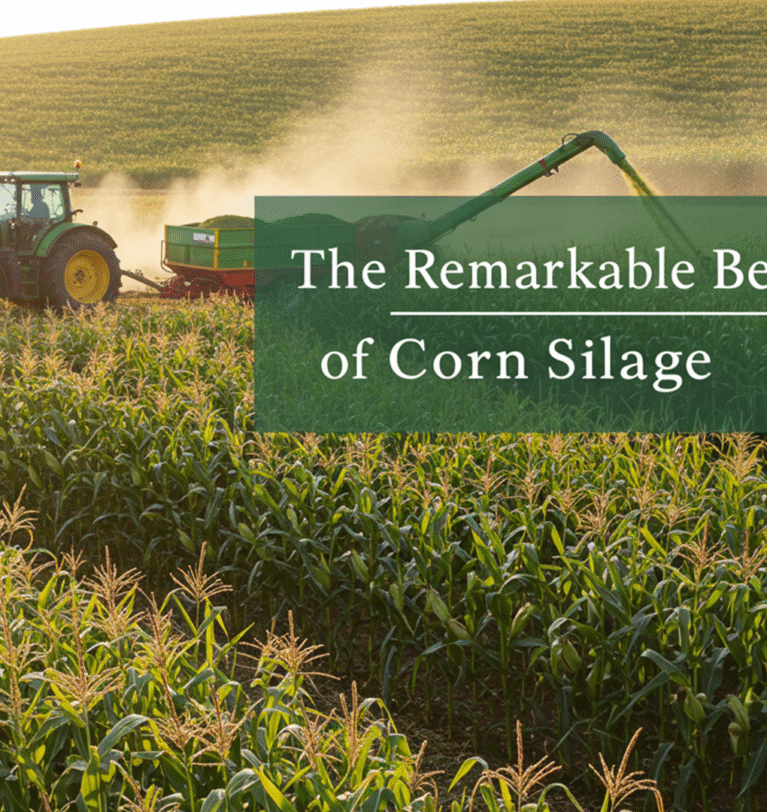
The Remarkable Benefits of Corn Silage
Corn Silage is made through a special method called ensiling, where chopped green corn plants are packed into plastic bags, trenches, or silos. These procedures exclude oxygen. Corn silage is…
Read more
Rhodes Grass Export Deal with China | Saremco International Becomes Pakistan’s First
A Historic Milestone in Pakistan-China Agri Trade Saremco International, a proud sister concern of Saremco Agri-Commodities, has made history by becoming Pakistan’s first exporter of Rhodes Grass to China through…
Read more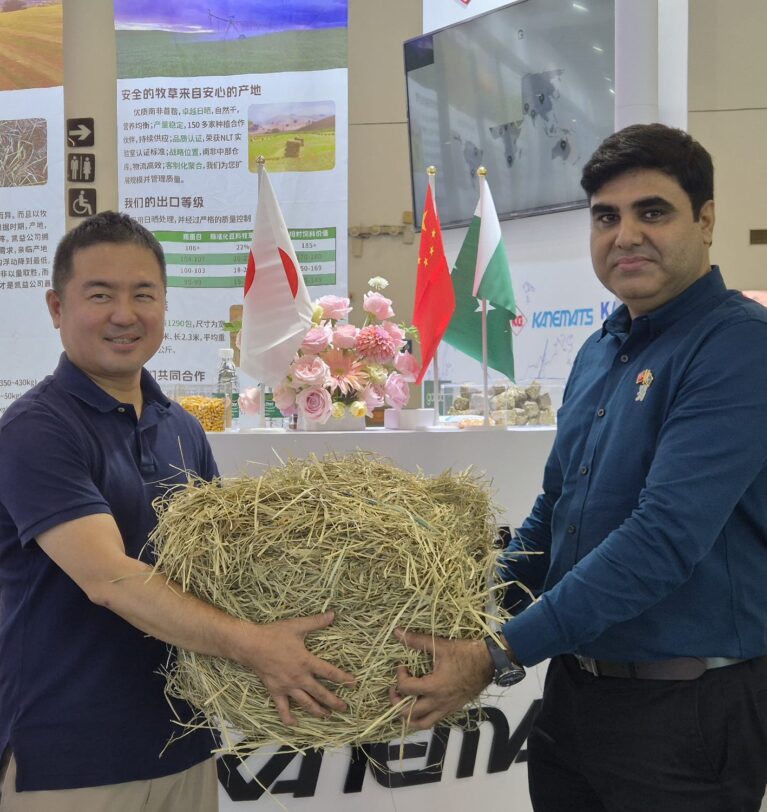
Saremco Agri Commodities Participating at Agro Expo China 2025
Saremco Agri Commodities – Leading Feed Exporter Pakistan’s First Exclusive Animal Feed Supplier Representing the Nation From July 13th to 18th, 2025, Saremco Agri Commodities, along with its sister concern…
Read moreGET IN TOUCH
Latin words, combined with a handful of model sentence structures, to generate Lorem Ipsum which looks reasonable.
1.Provides a consistent and nutritious feed supply year-round.
A Rhodes grass silage provides a nutritious and consistent feed supply throughout the year, as we can store it by preserving its quality. It means animals can take the same healthy feed in cold, dry, or rainy seasons. With the help of required minerals, proteins, animals stay in good condition and have no effect on the animals’ performance.
i. Quality feed available the whole year
1.Maintains a consistent diet and health
2.Supports steady growth and production
ii. Steady nutrition for animal health
1.Supports strong immunity.
2.Promotes consistent growth
iii. Decreases seasonal feed shortages
1.Stores extra grass to feed animals later
2.. Maintains animal health
iv. Maintains growth & production
1.Supports weight gain & health development.
2.Keeps milk yield consistent.
2.Maintains quality and palatability for months when stored properly
Rhodes grass silage remains tasty and fresh for several months if stored carefully. This airtight fermentation method keeps its colour and smells fresh. All these qualities make it attractive and fresh. This stored grass also reduces waste as the animal consumes it properly.
3.Bridges feed gaps during dry, rainy, or cold seasons
Rhodes grass silage also helps bridge gaps in dry, cold, or rainy seasons if stored properly. Seasonal changes also increase grass growth. Solage made in extreme seasonal times ensures growth for animals.
i. Gives food when there is not enough grass in the fields
1.Prevents weight loss & hunger
2.Cost-effective
ii. Animals stay healthy in tough weather.
1.Prevents weakness and illness
2.Reduces stress & maintains body
iii. Weight loss & prevents production.
1.Reduces stress from feed shortage
2.Helps animals’ recovery
iv. Ensures nutrition throughout the year
1.Gives strength.
2.Prevents deficiencies
4.Preserves surplus forage from peak growth periods
Rhodes grass silage is a good way to store extra forage during its peak growth time. In the growing or rainy season, grass grows faster; animals can eat it. At the right stage, the farmer can harvest it and store it in fresh form. Its method preserves the nutrients and keeps it for future requirements.
i. Prevents waste of unused forage
1.Increases more quantity
2.Reduce spoilage
ii. Provides feed during low-growth seasons
1.Increases growth percentage
2.Supports consistent milk
iii. Reduces need for costly purchased feeds
1.Decreases farm costs
2.No dependency
iv. Improves farm efficiency and sustainability.
1.External Feed source
2.Maximize use of land
5.Supports steady livestock productivity regardless of pasture availability.
Rhodes grass silage is a good way to store extra forage during its peak growth time. In the growing or rainy season, grass grows faster; animals can eat it. At the right stage, the farmer can harvest it and store it in fresh form. Its method preserves the nutrients and keeps it for future requirements.
i. Prevents waste of unused forage
1.Increases more quantity
2.Reduce spoilage
ii. Provides feed during low-growth seasons
1.Increases growth percentage
2.Supports consistent milk
iii. Reduces need for costly purchased feeds
1.Decreases farm costs
2.No dependency
iv. Improves farm efficiency and sustainability.
1.External Feed source
2.Maximize use of land
Rhodes grass bales are important in the dairy animal industry because they provide a high-quality and consistent source of rough food for animals. The major benefit is that it can be preserved as silage, which is an important source throughout the year. These bales are rich in nutrients like minerals, protein, and Fiber.
Rhodes grass is easy to digest, and palatable so animals can consume it, resulting in improved health. Its balanced content maintains body condition, performance, and fertility. Rhodes grass is an ideal choice for farmers. The major advantage of Rhodes grass bales is long shelf life and availability if stored properly. As a result, a stable feed is ready in all seasons. The bales make handling, storage, and transportation easy and more efficient for all sizes of farms.
1)Provide a steady and reliable source of roughage
Rhodes grass bales are important for dairy animals providing reliable feed that improves their health. Roughage helps them chew food properly and keep them healthy. Fresh grass is not available the whole year, so it can be stored in dry weather and used whenever required.
i. Available year-round
1. Not affected by seasons
2. Helpful during feed deficiencies
ii. Can be stored for long periods
1. Easy to keep for several months
2. Saves extra grass for future purposes
iii. Reduces daily feeding problems
1. No worries about animals feed on busy days
2. Saves the time of farmers
iv. Regular feeding schedule for animals
1. Keeps the animal calm
2. Increase milk production
2) Rich in nutrients like Fiber and protein for healthy digestion
Rhodes grass bales are rich in very precious nutrients such as protein and Fiber, which are important for the digestion of food for animals. Fiber encourages saliva production and food digestion. It also produces good bacteria’s growth. Protein is important for milk production, muscle growth, and body strength.
i. Boosts Gut Health
1.Improves Nutrient Absorption
2.Supports Muscle and Tissue Development
ii. Improves Nutrient Absorption
1.Boosts Growth and Performance
2.Encourages Saliva Production
iii. Supports Muscle and Tissue Development
1.Promotes Growth in Young Animals
2.Boosts Strength and Long-term
3) Cost-Effective and Easy to Manage
Rhodes grass is a cost-effective option for farmers as it grows properly with no investment. After establishment, no frequent watering or expensive fertilizers are required. It saves the money of farmers and investors. It is not difficult to manage Rhodes grass. It grows quickly after grazing or proper cutting with no Labor cost as compared to other crops, so it becomes a reliable option for farmers, especially at the large-scale level.
i. Low Input Costs
1.Less Labor Intensive
2.Reduces Feed Waste
ii. Provides energy for lactation
1.Boosts animal life
2.No stress of feed shortage
iii. Cost-effective feed storage
1.Good output
2.No increase in feed cost
iv. High Yield per Acre
1.Multiple Harvests per Year
2.No dependency on Commercial Feeds
4) Help improve milk production in dairy animals.
Good quality feed is important for producing more milk in dairy animals. When they eat nutritious feed, their bodies become energetic and can produce milk. Feed is full of protein, Fiber, minerals, and vitamins. The digestive system of animals works well due to proper feeding, which is important for milk production. Fresh fodder, balanced diet, and clean water help them to stay stress-free and strong. We need to care for animals so that they can produce milk in large amounts.
i. Balanced Nutrition
1.Adequate Rest
2.Clean and Fresh Water
ii. Stress-Free Environment
1.Proper shelter
2.No overcrowding
iii. Social comfort
1.Her living
2.Natural Social Interactions
iv. Healthy Environment
1.Proper ventilation
2.Noise control
5) Easy to store and transport in bale form.
It is easy to store Rhodes grass in bales as the grass is cut, dried, and then packed tightly into a bale firm, which keeps it fresh for a long time. A farmer can store it in small areas. Baling saves the grass from insects, dust, and rain. Its transportation is easy as it is loaded on trucks and moved to other areas. The baled Rhodes grass reduces waste, saves time, and helps them to feed better.
i. Prevents Crop from losses
1.Protects from Pests and Diseases
2.Saves Economic Loss
ii. Easy handling
1.No Labor cost
2.Suitable for all farm sizes
iii. Easy to Transport
1.Saves Time and Effort
2.Reduces Animal Stress
iv. Less Equipment Needed
1.Manual management is easy
2.Environment-friendly
Overview
Corn silage harvest is a major step and a crucial phase in livestock feed production for dairy and beef cattle operations, involving the cobs, kernels, leaves, and stalks. The accurate stage is selected to start the harvest process.
Corn silage ensures a balance in energy-rich starch and Fiber. With the help of experts and harvesters, this plant is chopped into small, equal pieces. It can maximize yield per Acre and improve fermentation and arranging efficiency.
Major Points of the Corn Silage Harvest Process
1- Optimal Harvest Timing
Optimal harvest timing is a major point to produce high-quality corn silage for farmers and harvesters. Their target is to produce cost-effective Feed as well. The right time to harvest is when this plant remains ½ or 2-third milk stage with accurate moisture content.
For proper fermentation the plant is ready with the required moisture to avoid nutrient runoff and poor fermentation. The team closely monitors or checking of plant in the lab with testers to find out the window. This is best time for farmers to improve the quality of silage and animal health.
2- Improved Digestibility
- Enhanced Rumen Fermentation
- Supports Better Nutrient Absorption
- Decreases Undigested Feed Waste
3- Balanced Nutrient Profile
- Stable Moisture Content
- Provides Essential Nutrients
- Reduces Need for Supplements
4- Reduces Supplemental Feed Needs
- Minimizes Dependency on Grains
- Reduces Protein Supplements
- Cost Savings on Feed Inputs
5- Reduces Field and Storage Losses
- Corn silage reduces storage and field as compared to other processes of harvesting. The corn plant is chopped finely and produce required or essential moisture level. A proper nutrient protects from sun or proper ensiling in bunkers, bags, and silos as it will limit oxygen and provide good quality feed without any waste.
- Quick harvest procedure decreases the time and risk of nutrient loss in over-drying, storms, or rains. The purpose is to produce healthy feed recovery, so this process is controlled with the help of fermentation. It will prevent bacteria. As a result, a good quality feed is provided to dairy animals.
6- Optimal Moisture Content
- Reduces Seepage Losses
- Minimizes Mold and Spoilage
- Improves Packing Density
7- Efficient Fermentation
- Rapid pH Reduction
- Promotes Lactic Acid Bacteria Activity
- Minimizes Nutrient Loss
8- Complete sealing prevents Air Exposure
- Preserves Nutrient Quality
- Improves Silage levels
- Reduces Dry Matter Loss
9- Supports Consistent Feeding
- The regular intake is provided to dairy animals that maximizes the digestive process and improves health. Corn silage is a balanced source of nutrients for the whole year. It increases animal performance.
- Reliable content makes life easy for farmers as they can produce a balanced diet. This will sort out problems of uneven intake of Protein, starch, and Fiber. Corn silage is an ideal content for animals that decreases the risk of acids or an upset digestive system. The efficient use of resources is also important for farmers.
10- Improves Rumen Stability
- Promotes Healthy Fermentation
- Supports Microbial Efficiency
- Enhances Digestive Efficiency
11- Supports Predictable Animal Performance
- Consistent Nutrient Supply
- Stabilizes Rumen Function
- Reduces Feed Variation
12- Simplifies Ration Formulation
- Saves Time and Labor
- Consistent Nutrient Content
- Reduces Need for Complex Adjustments
13- Whole-Plant Harvesting
- The process of harvesting corn consists of maximizing yield per acre. The farmers can easily capture both Fiber and high-energy grains. It makes for easy formulation and cost-effective for farmers. Also, efficiency is increased, and corn is grown. The whole-plant harvesting plays a major role in maintaining sustainability.
- It will deliver a perfect mixture of moisture, Fiber, and carbohydrates for animals, diet. Whole plant harvesting of corn silage increases the efficiency of resources and maximizes growth of crops that supports farming practices.
14- Simplifies Harvesting Process
- Lower Labor Costs
- Consistent Chop and Processing
- Improves Operational Efficiency
15- Improves Feed Consistency
- Uniform Nutrient Composition
- Reduces Daily Variations
- Supports Ration Stability
16- Supports Efficient Fermentation
- Preserves Nutrient Value
- Limits Dry Matter Loss
- Improves Silage Stability
17- Rapid Transport and Packing
- Rapid transport and packing is an important part of the corn silage process that ensures the quality of feed and no loss of nutrients for a long time. A quick transport prevents forage and early fermentation. This content helps to manage content, and prompt packing is very critical and necessary for complete fermentation.
- Packing corn silage is a major step that provides long-term protection from bacteria and minimizes shrink. A good packing will improve shelf life and provide high-quality corn silage.
18- Ensures Anaerobic Conditions
- Promotes Lactic Acid Fermentation
- Rapid pH Drop
- Preserves Nutrient Content
19- Reduces Dry Matter Loss
- Efficient Fermentation
- Limits Mold and Yeast Activity
- Minimizes Heating During Storage
20- Improves Fermentation Efficiency
- Faster pH Reduction
- Reduces Undesirable Microbial Activity
- Preserves Nutrient Integrity
Corn Silage is made through a special method called ensiling, where chopped green corn plants are packed into plastic bags, trenches, or silos. These procedures exclude oxygen. Corn silage is used in livestock for beef cattle and dairy. It plays a major role in modern animal husbandry.
Corn silage includes leaves, cobs, husks, and stalks ensuring that the whole plant is utilized efficiently. The fermentation method preserves the crop and improves its nutritional properties for several months. As a result, we get moist, soft, and palatable feed that can be easily digested or consumed by livestock and provides energy and good quality.
Key benefits of corn silage
High Energy content
The high-energy content is the most important feature for feeding dairy cows and beef cattle. It is generated from starch in corn kernels with digestible fiber in plants. This high energy feed is important for cows in peak milk production. To meet energy demands it provides calories, resulting in improved milk fat, protein and milk yield in content form.
For beef cattle, the energy supports better feed conversion rate and rapid weight gain. It reduces the feeding period and helps teach market weight. This natural starch in corn silage reduces dependency on grain like barley or corn meal and improves efficiency or performance.
1- Maintains Energy Balance in High-Producing Animals
- High Energy Content
- Supports Lactation and Growth
- Prevents Negative Energy Balance
2- Supports Reproductive Health
- Balanced Nutrient Supply
- Maintains Optimal Body Condition
- Enhances Fertility and Conception Rates
3- Provides a Steady and Reliable Energy Source
- High in Digestible Carbohydrates
- Consistent Nutrient Profile
- Supports Daily Performance Needs
4- Promotes Rumen Health When Properly Balanced
Corn silage is balanced feed as compared to other things. It reduces acid risk and digestive disorder.
- Supports Microbial Activity
- Maintains Stable Rumen pH
- Enhances Fiber Digestion
5- Lower feed costs
- Cost-Effective Per Unit of Energy
- High Yield per Acre
- Reduces Dependence on Purchased Feed
Nutrient-Rich and Balanced
Corn silage is not just high in energy but also provides balanced nutritional benefits like performance, health, and productivity of beef and dairy cattle. After joining both Fiber and energy it acts as forage and is paired with minerals and right protein.
These kernels have starch that is used to produce milk and gain weight. It has seven to nine percent crude protein and can support growth and maintenance when combined with other feed items. This also includes many minerals like phosphorus, potassium, and calcium.
Starch (Carbohydrates)
- Primary Energy Source
- Supports Milk Production and Growth
- Enhances Feed Efficiency
Neutral Detergent Fiber (NDF)
- Measures Structural Fiber
- Supports Rumen Function
- Affects Feed Intake
Crude Protein
- Essential for Growth and Maintenance
- Supports Milk Production
- Provides Nitrogen for Rumen Microbes
Minerals and Micronutrients
- Promotes Reproductive Efficiency
- Reduces Risk of Deficiencies
- Supports Overall Health and Productivity
Moisture (Water Content)
- Improves Palatability
- Supports Digestion and Nutrient Transport
- Reduces Dust and Feed Sorting
Corn Silage is Cost-Effective
Corn silage is used by livestock farmers due to its nutrition, however for its economic efficiency as well. It offers low cost per unit of production and is ideal for beef and dairy operations that reduce expenses and maintain performance of animals. It means corn silage offers high content yield per acre that is economical (reduces the requirements to buy grains.
Corn storage has an excellent storability. Corn silage can be stored for 6 months to 2 years without any energy loss. It is harvested, chopped and packed properly. Its method makes corn silage a reliable feed that minimizes feed shortages and waste.
1- High Yield = More Feed Per Acre
- Maximizes Land Efficiency
- Reduces Feed Shortages
- Lowers Cost Per Ton of Feed
2- Nutrient Density Reduces Supplement Needs
- Provides Balanced Nutrition
- Decreases Dependency on Purchased Feeds
- Supports Efficient Ration Formulation
3- Reduced Storage and Spoilage Losses
- Anaerobic Fermentation Preserves Nutrients
- Long Shelf Life
- Minimizes Waste
4- Less Labor and Handling
- Efficient Feed-Out
- Lower Maintenance Costs
- Ideal for Large Operations
5- Better Feed Efficiency = More Production per Dollar
- High Energy Density Boosts Output
- Maximizes Nutrient Utilization
- Lower Cost / Unit of Production
6- Improved forage utilization
Corn silage improves forage utilization because it provides digestible feed to animals that is consumed efficiently without any waste. It is not like dry forage so includes leaves, grains, and stalk- generates maximum dry matter. Due to its natural fermentation process and soft texture enhance availability and palatability.
Corn silage blends with other ingredients and ensures consistency. This is a perfect, practical and efficient choice in modern feeding plans that allows livestock to extract more nutrition in every bite. Livestock consume more feed with no waste.
Whole-Plant Harvest = Maximum Yield
- Utilizes the Entire Plant
- Higher Dry Matter Yield per Acre
- Efficient Use of Land and Resources
High Digestibility
- Easily Broken Down in the Rumen
- Improves Feed Conversion Efficiency
- Supports Rumen Microbial Activity
Less Sorting, More Consistent Intake
- Uniform Texture and Moisture
- Reduces Selective Feeding
- Improves Nutrient Intake Consistency
Reduced Feed Loss Compared to Hay
- Better Feed-Out Efficiency
- Reduces Wind Loss
- Economical Use of Every Pound
Supports Rumen Function
- Improves Microbial Protein Synthesis
- Reduces Digestive Upsets
- Complements Total Mixed Ration (TMR) Programs
Fermentation Benefits
The fermentation process is the main advantage of corn silage, converting fresh chopped corn into proper, long-lasting, stable, and nutritious feed. This is properly sealed in an air-tight environment that starts breaking down the plant and produces lactic acids that decreases sugar and saves the silage.
The acidic setup helps maintain the integrity and maintain quality to provide better performance and reduces the feed cost. The fermentation process is a consistent, safe, and efficient option for livestock.
1- Long-Term Preservation
- Reduces Spoilage and Waste
- Consistent Feed Availability Year-Round
- Stable Moisture Content
2- Nutrient Retention
- Lower Risk of Mold or Mycotoxin Growth
- Higher Digestibility Maintained
- Supports Long-Term Ration Planning
3- Improved Digestibility
- Enhances Nutrient Absorption
- Boosts Feed Efficiency
- Reduces Undigested Feed Waste
4- Enhanced Feed Palatability
- Stimulates Consistent Eating Habits
- Boosts Overall Animal Performance
- Blends Well in Total Mixed Rations
4- Reduced Feed Waste & Cost Efficiency
- Better Feed Consumption
- Lower Per-Unit Feed Cost
- Less Need for Supplementation
A Historic Milestone in Pakistan-China Agri Trade
Saremco International, a proud sister concern of Saremco Agri-Commodities, has made history by becoming Pakistan’s first exporter of Rhodes Grass to China through a government-level supply agreement. This breakthrough not only opens the doors for Pakistani animal feed in China’s vast market but also reflects a growing trust between the two nations.

Government-Level Rhodes Grass Supply Agreement
Under the official facilitation of the Chinese government, the deal was signed by Mr. Mohammad Arif, CEO of Saremco International. This exclusive contract is a major diplomatic and trade achievement, symbolising international recognition of Pakistan’s agricultural capabilities.

Key Highlights of the Deal
- Pakistan’s first official animal feed export deal to China
- Contract signed directly with the Chinese government authorities
- Focus on Rhodes Grass Feed, a high-demand livestock product
- Deal facilitated by Chinese trade organisations
- Executed under the leadership of CEO Mr. Mohammad Arif
- Establishes Pakistan-China agricultural trade confidence
Why Rhodes Grass? The Ideal Animal Feed Export
Rhodes Grass is emerging as a go-to solution in animal feed due to its adaptability, affordability, and quality. This makes it the perfect export from Pakistan to a climate-sensitive region like China.
Advantages of Rhodes Grass:
- High digestibility and protein content for livestock
- Drought-resistant and grows in diverse climates
- Suitable for cattle, sheep, goats, and camels
- Strong international demand in arid and semi-arid regions
- Grown abundantly in Pakistan’s fertile lands
🇵🇰 What This Means for Pakistan’s Economy
This agreement represents a paradigm shift in Pakistan’s export strategy from traditional goods to value-added agricultural commodities. With China recognising Pakistan as a quality source for livestock feed, it creates new avenues for:
- Enhanced export revenue
- Increased global trust in Pakistani products
- Development of rural farming economies
- Attraction of foreign buyers and investors
- Rise in contract-based agriculture
About Saremco International
Operating under Saremco Agri-Commodities, Saremco International has quickly established itself as a pioneer in:
- Rhodes Grass
- Alfalfa
- Wheat Straw
- Other natural feed items
With a strong emphasis on quality assurance, sustainable farming, and international trade standards, Saremco is now proudly the first Pakistani company to sign a government-level animal feed export deal with China.
CEO Statement: Mr. Mohammad Arif
“This agreement is a milestone not just for Saremco International, but for Pakistan’s entire agriculture sector. We’ve proven that our products meet global quality standards, and this is just the beginning of more international success stories.”
Mr. Arif added that the company is eyeing future trade opportunities in fruits, grains, and organic fertilisers with several international partners.
China Also Gains: A First for the Chinese Market
It’s not just Pakistan making history; this is the first time China has officially imported animal feed from Pakistan. While China is self-sufficient in most commodities, its decision to import Rhodes Grass from Pakistan indicates:
- A shift toward regional supply chain partnerships
- China’s trust in Pakistani agricultural quality
- A new chapter in China-Pakistan food and feed diplomacy
Future Outlook: Transforming Agri-Exports from Pakistan
This landmark deal is expected to spark a ripple effect in multiple sectors:
Economic & Social Impact
- Boost to Pakistan’s foreign exchange reserves
- Job creation in farming, trade, and logistics
- Incentivising farmers to grow export-quality crops
- Attraction of foreign agribusiness investors
- Emergence of public-private partnerships in exports
Conclusion:
The Rhodes Grass export contract with China is not just a commercial transaction; it’s a bold message that Pakistan is ready for the global stage in agricultural trade. Saremco International’s achievement sets the tone for other exporters to explore formal, high-level agreements that can change the face of Pakistan’s economy.
Saremco Agri Commodities – Leading Feed Exporter
Pakistan’s First Exclusive Animal Feed Supplier Representing the Nation
From July 13th to 18th, 2025, Saremco Agri Commodities, along with its sister concern Saremco International, will proudly represent Pakistan at Agro Expo China a significant milestone for the nation’s agriculture and livestock feed industry.

Saremco International: A Proud Pakistani Presence
Saremco International, registered in Pakistan, stands as the only Pakistani company with feed production plants across all agricultural zones and dedicated storage facilities, making it the largest animal feed supplier in the country.
Meanwhile, Saremco Agri Commodities, registered in South Korea, manages international operations, creating a global bridge for Pakistan’s agri-exports. Together, they form a powerful duo that is now making strides in the Chinese market.
A Landmark Achievement
This is not just another expo. Saremco Agri Commodities is making history by becoming the first Pakistani producer and exporter of animal feed to secure an exclusive supply contract with the Government of China.


This participation at Agro Expo China 2025 marks:
- The entry of Pakistan into China’s agri-feed market
- A showcase of Pakistan’s feed production capacity
- Strengthening of trade ties between Pakistan and China
Global Success: South Korea, Japan & Now China
Already a trusted supplier in South Korea and Japan, Saremco Agri Commodities’s participation in Agro Expo China expands its presence in Asia’s most competitive market. This strategic move demonstrates the quality and scale of Pakistan’s agri-sector.

Key Highlights:
- Pakistan’s only exclusive animal feed exporter at the expo
- Dual representation: Saremco International (Pakistan) & Saremco Agri Commodities (Korea)
- Official supplier to the Chinese government contracts
- Presence in South Korea, Japan, and now China
- Largest feed production plants in Pakistan
Conclusion
Saremco Agri Commodities is not just participating in Agro Expo China, it’s representing Pakistan’s future in international agri-trade. As the largest animal feed producer and exporter, its expansion into China confirms the trust and reliability the global market places in Pakistani agriculture.
For global partners looking for trusted, high-quality feed suppliers, Saremco Agri Commodities is leading the way.